Favorite Ride: The Gila Loop

© 2006 by Kathleen Kemsley, first published in Rider Magazine, Jan. 2006

Take a road that loops around 80 miles of asphalt twisties in the Gila National Forest near Silver City.  Blend it with some of the most spectacular mountain scenery in the southwest.  Throw in a few Indian ruins, ghost towns, art galleries and outstanding home-cooked New Mexican food.  The result?  One serving of the best motorcycle ride in southwest New Mexico: the Gila Loop.

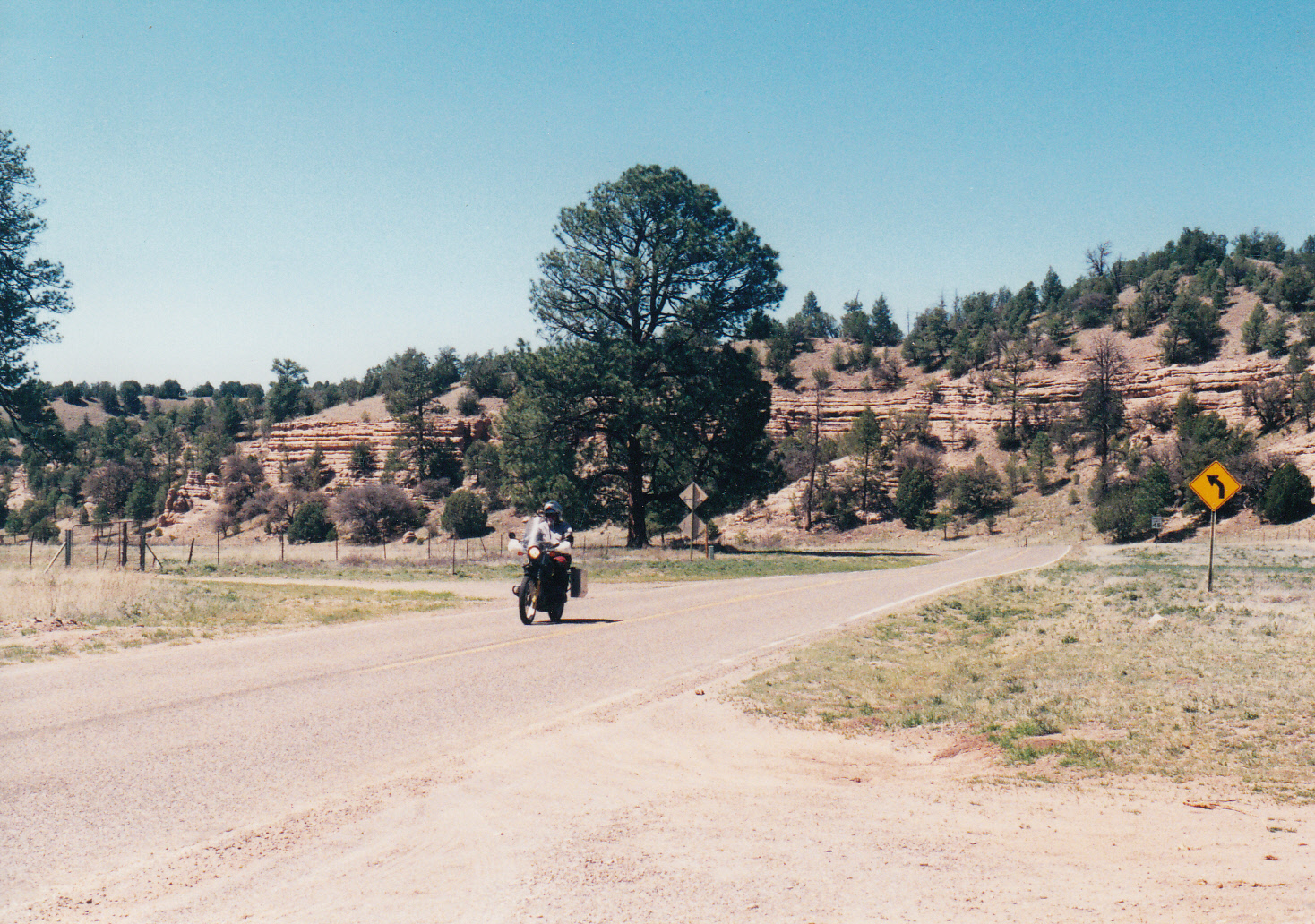
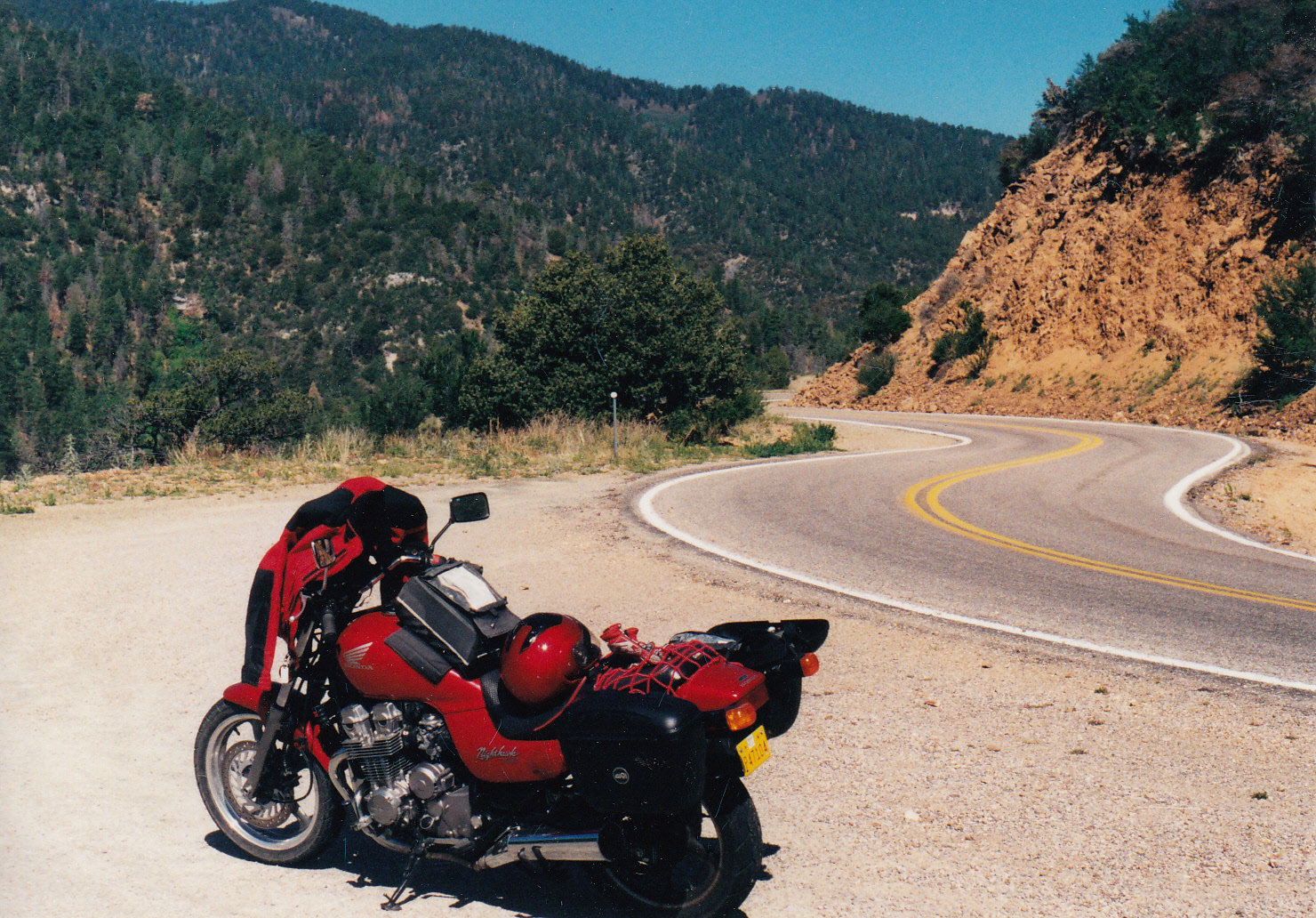
Gila_loop_0001Just getting to the loop is half the fun.  From Caballo Lake, Highway 152 – the only paved route through the east side of the Gila Mountains – snakes past Hillsboro and Winston and up over Emory Pass.  A scenic overlook near the top of the pass allows a non-vertigo-prone rider a panoramic view of the Rio Grande Valley, 4000 feet below.  Beyond the pass, the road winds around hairpin curves and alongside cheerful little spring-fed creeks through the Gila National Forest.  A word to the wise: beware of loose gravel strewn on the turns near Emory Pass.

Once you reach the junction of highways 152 and 35, a decision looms.  Counterclockwise leads directly up to the Gila Cliff Dwellings with only a few eateries along the way, while a clockwise move takes you to civilization first.  I chose counterclockwise because out of the few places to eat on this route, Sister’s Restaurant in San Lorenzo has the best meals.  However, your timing has to be just right, as it’s only open Wednesday through Sunday between 11 a.m. and 2:30 p.m.  If your timing is off, there is always a good burrito to be had at the Mimbres Valley café.  Order it banarse, bathed in red or green chile sauce, for a special New Mexican treat.

The ride to the cliff dwellings passes scenic Lake Roberts, a summer magnet for boaters,Gila_loop_0002 fishermen, campers, and other hot-weather refugees.  Just beyond the lake, turn right onto the Highway 15 spur road.  Another 17 miles of colorful rock formations, voluptuous curves and spectacular vistas will bring you to the Gila Cliff Dwellings National Monument.

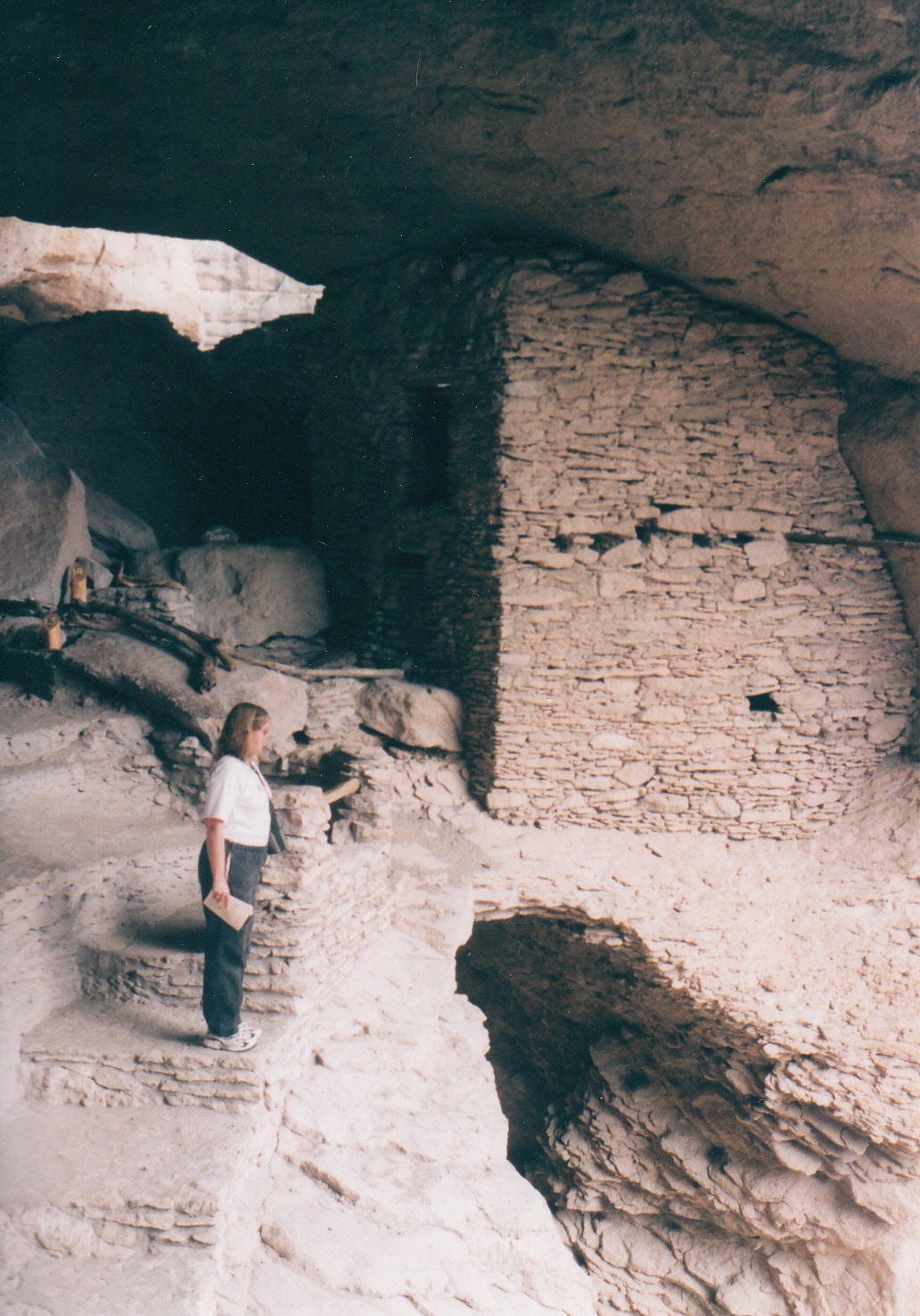
Stopping by the visitor center, you will learn that the Mogollon Indian cliff dwellings preserved within the monument are just one set among dozens of 13th-century structures located near this portion of the Gila River.  A pleasant 30 minute walk up to the dwelling site follows a streambed lined with cottonwood and ponderosa Gila_loop_0004pine trees.  The $3 entry fee will buy you a comprehensive trail guide covering the history, culture, architecture and mysterious disappearance of the Mogollon people who once lived here.

Backtracking to the junction of Highways 15 and 35, veer right to follow the Gila Loop toward Silver City.  Along a 19-mile stretch from the junction to Pinos Altos, the road becomes almost impossibly narrow with no center stripe.  The biggest hazard to be encountered will likely be an errant motor home in the wrong lane.

Once a gold rush destination, Pinos Altos (“tall pines”) today consists of just a handful of art galleries as well as entertainment and food at the well-known Buckhorn Saloon.  History buffs can take a short walking tour of such sites as an old cabin, a cemetery, and a 1971-vintage courthouse.

From Pinos Altos the road emerges unceremoniously into Silver City, a bustling town that boasts “four gentle seasons.”  Main Street, lined with an interesting collection of gift shops, restaurants, galleries and second-hand stores, backs up to the “Big Ditch.”  Formerly the main street until it was washed out in 1905 by a flash flood, the chasm today is a city park complete with walking paths, picnic areas and two foot bridges, 55 feet below street level.

A favorite place to eat in Silver City is the Adobe Springs Café on Silver Heights Boulevard, named for a natural spring still active beneath the 1937 building.  The Southwest Breakfast, a pile of hash browns liberally laced with green chile and served with tortillas, is a treat at any time of day.

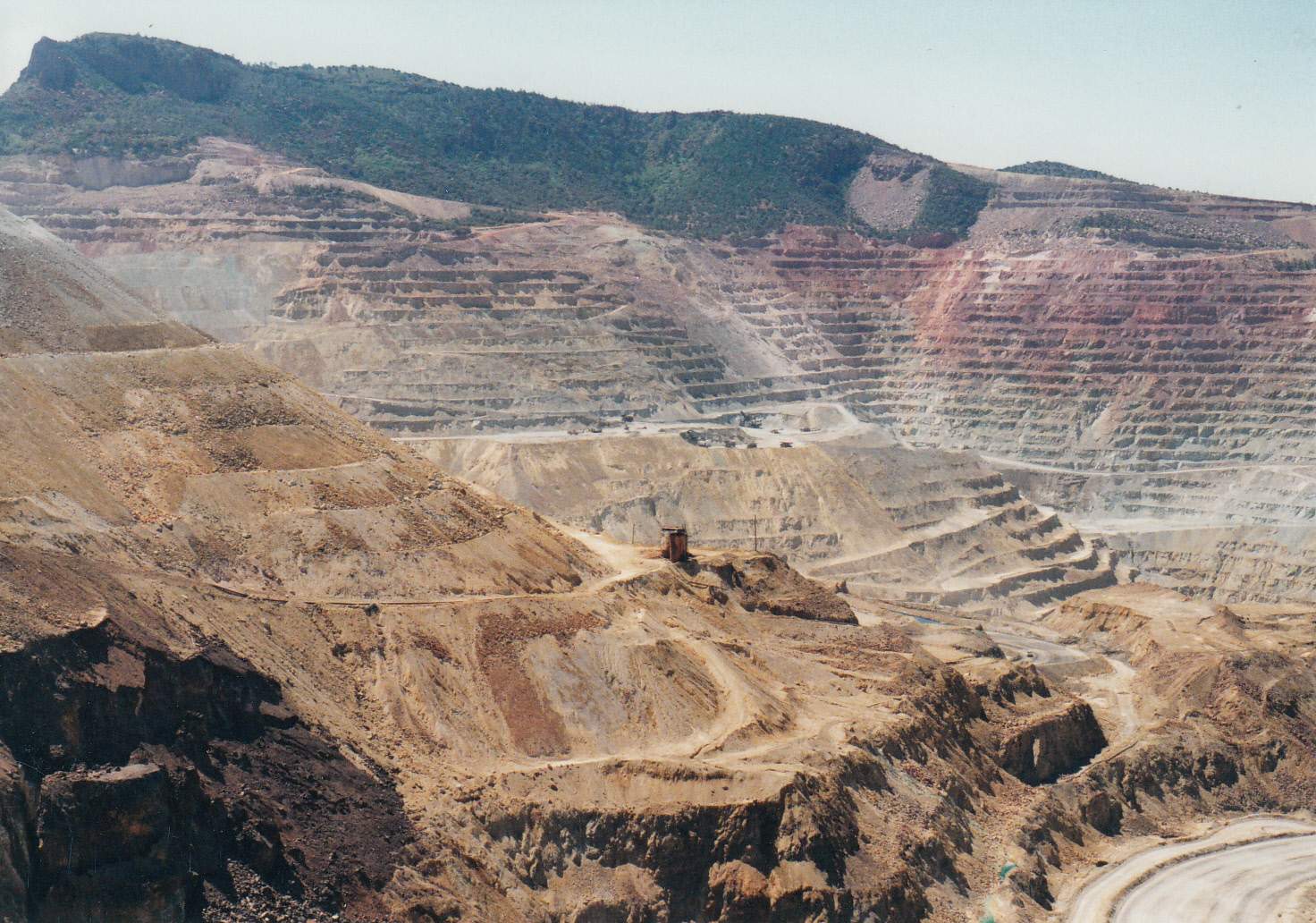
Whether you consider it an ode to modern industriousness or an offensive blight onGila_loop the landscape, the great hole in the earth left by the Santa Rita Mine is impossible to miss on the south side of the road heading east from Silver City toward the ride’s starting point.  This copper mine, the oldest active mine in the Southwest, has been worked for more than 200 years.

Radiating like warped spokes from the Gila Loop, intriguing twisty roads lead to local attractions such as the forlorn ghost town of Lake Valley (which features neither a lake nor a valley), the famous chiles of Hatch, the refreshing waters of Elephant Butte Reservoir, the quirky charms of Truth or Consequences, the haunting beauty of the City of Rocks and the engineering marvel of the Catwalk.  Yield to the temptation to linger; the winding roads of the Gila Loop region provide all the ingredients for a large helping of motorcycling satisfaction.

Y2K

 © 2015 By Kathleen Kemsley, from 1999 trip journals

 When Brian and I chose December 1999 for our first foray into Mexico on four wheels, it never occurred to us to worry about the changing millennium.  We were far more concerned with what camping conditions might be like in a foreign country.  For a week we sat in Death Valley, getting our courage up.  Finally we took a deep breath and rolled wheels into Mexico at the Tecate border crossing.

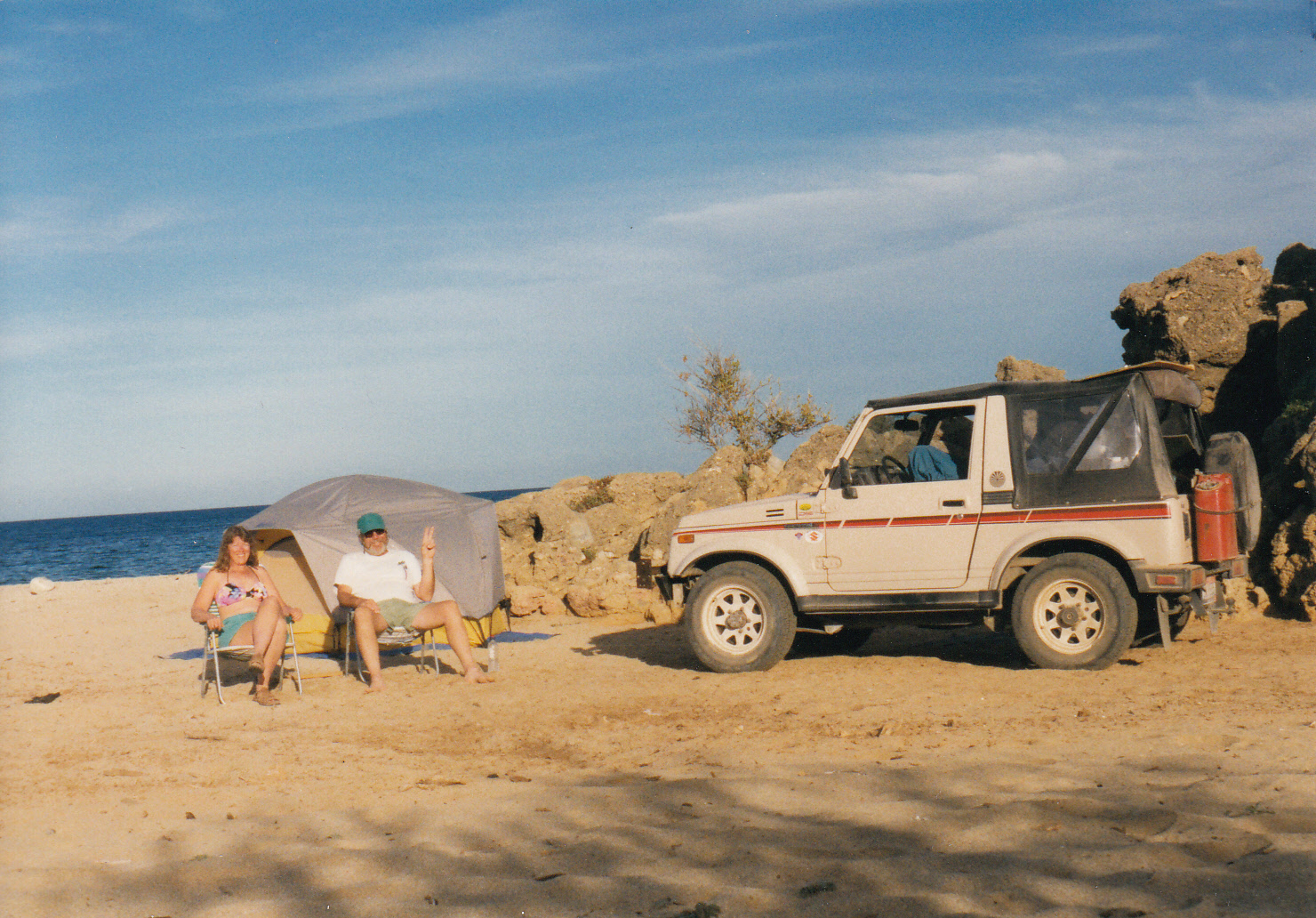
As soon as we got across, we relaxed.  The Suzuki Samurai was a perfect vehicle for the Baja.  The roads were mostly paved (if potholed) and the people were welcoming.  Y2K fears of the pending Baja_0001millennium change had scared the majority of tourists away from foreign travel that year, so we found a lot of empty campsites.

Just south of Mulegé, we settled into a palapa at Conceptión Bay.  We met a few campers who planned to stay through the winter “on the beach,” but we wanted to keep exploring.  After a few relaxing days there, we went inland, attended a Posada celebration for Christmas, paused in La Paz long enough to get really sick on some bad chicken, then departed for the cape in search of free camping.

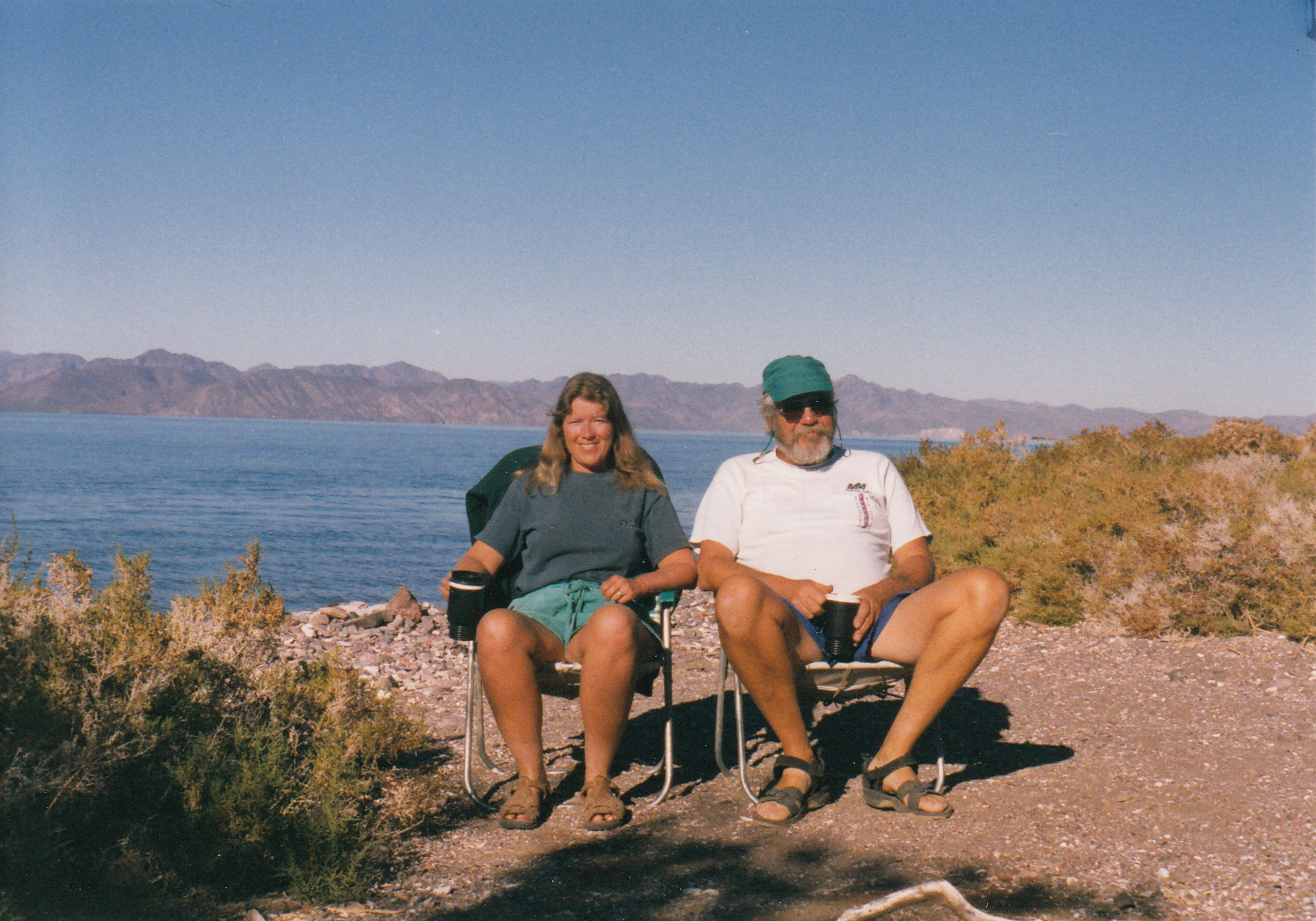
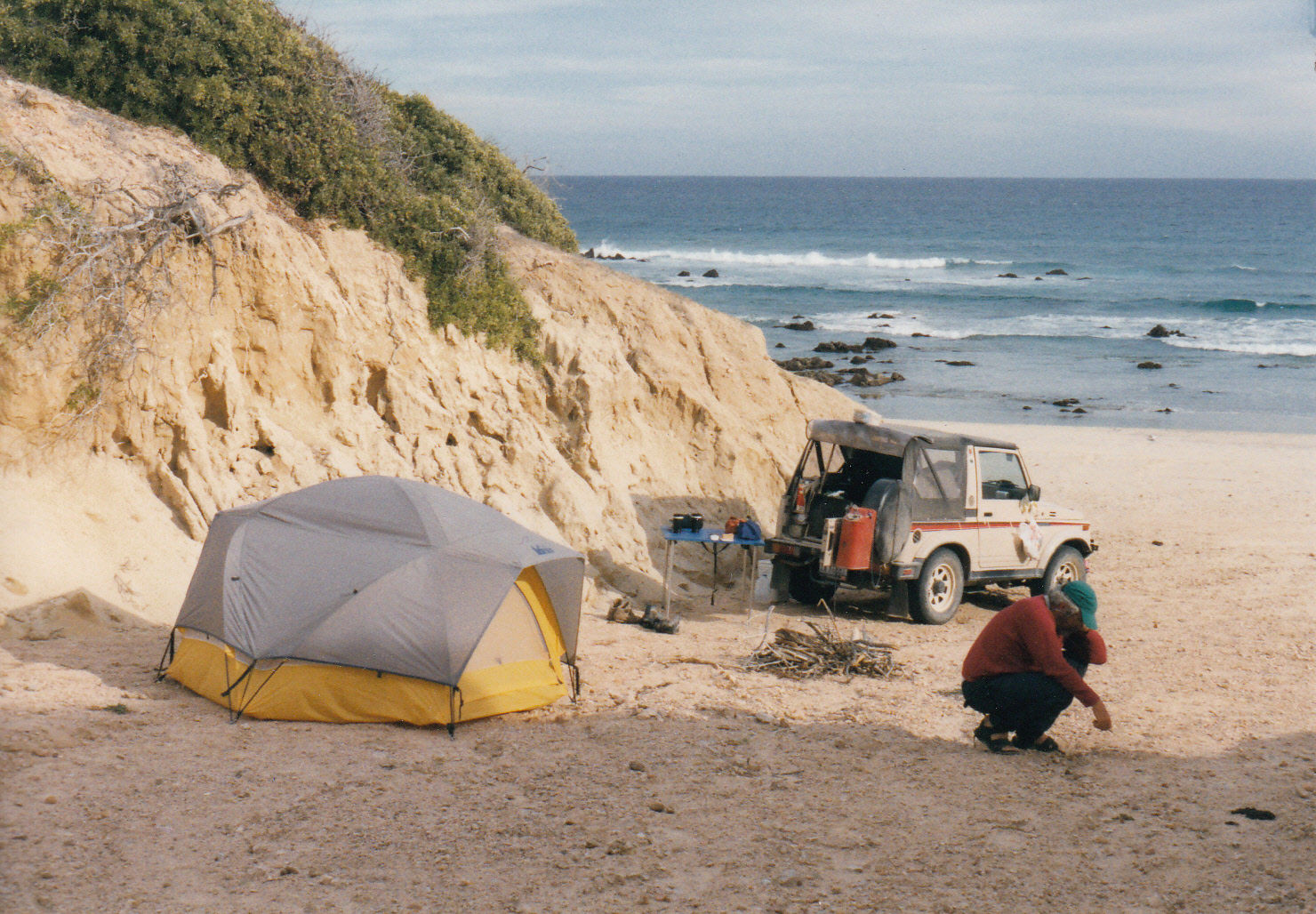
The first free camping space we christened “Perfect Beach.”  We had neighbors half a mile away down the white sand; some sandstone rocks grouped in a shelter off the water to set up our chairs and a campfire; and a view of pelicans and magnificent frigate birds diving into the water out the front door of the tent.  This beach we ranked a perfect 10, and the one against which allBaja_0002 the subsequent campsites would be judged.

A dirt road took off just south of the ritzy town of Los Barriles, heading in a roundabout way down to San Juan del Cabo.  We went for miles and miles past private property and fields of corn and grazing cattle, all of it fenced off to vagabonds like ourselves.  Finally we turned on a two-track and drove for several miles before stopping to camp in an open field that didn’t appear to be owned by anyone.

We set up the tent and night fell.  After dinner we started a tiny campfire and had just sat down when we heard heavy footsteps.  Out of the darkness emerged a man shouting something in Spanish.  Alarmed, Brian jumped up and tried to intercept the man.  As soon as he got closer, it became obvious that he was an extremely intoxicated local.  He held a machete in one hand and a bottle of tequila in the other.  Yikes.

Miguel spoke a little English and we spoke a little Spanish.  For the next hour we labored to communicate with this plastered little campesino.  He got across that he worked on the ranch there, but he had a cousin in California.  He implored us to take him with us back to the USA.

There were cattle ranging loose in the field where we were camped, and he kept repeating that they were “muy peligroso animals,” very dangerous!  Over his head, Brian and I exchanged a glance.  We need to get out of there immediately!  Hastily, we folded up the tent and chairs and stuffed them in the back of the rig.  Brian started up the engine.  I jumped in the passenger seat.  Miguel came right in after me and sat on my lap, reeking of tequila and tobacco.  I gave him a shove out and slammed the car door.  Brian hit the gas and we sped back down the two-track toBaja the main road.

Only now it was pitch dark.  We continued further on the unfamiliar road until another turnoff appeared.  Undiscriminating at that point, we turned in and drove back a ways onto some sand.  There we set the tent back up and collapsed into weary sleep.

The next morning was Christmas Eve.  We looked around to discover that we were on an empty and pristine beach backed by sandstone cliffs, next to the Gulf of California.  It was another perfect 10 of a campsite, made even sweeter by the fact that there were no drunk Miguels around to bother us.  We pulled the rig back into an alcove between two sandstone cliffs, and set the parking brake.

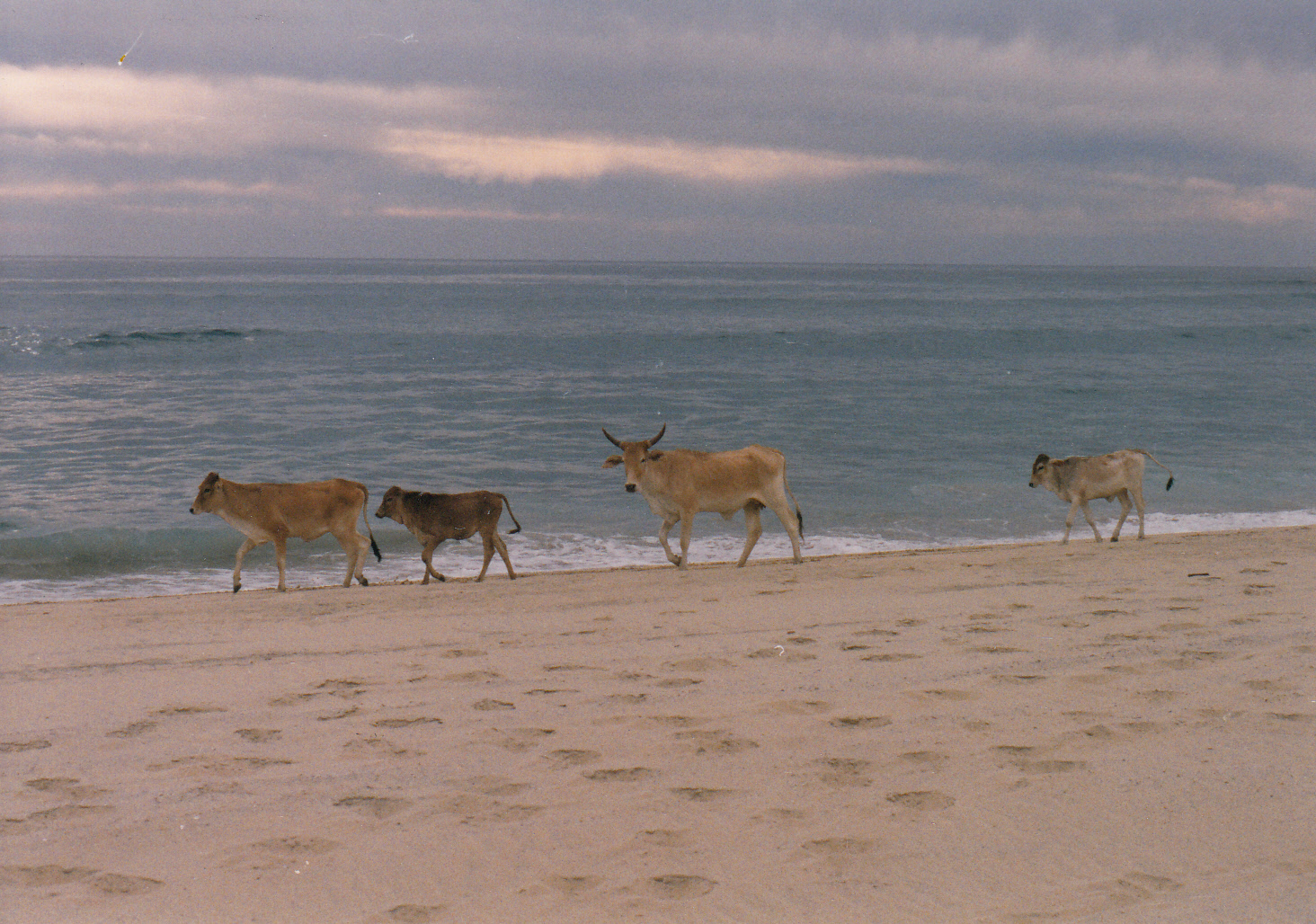
A small herd of skinny longhorn vacas, or cattle, came by a little later.  No doubt they were the same “Muy peligroso animals” that Miguel had tried to warn us about.  But they paid us no heed.  They ambled along past our campsite, then went down to the shore for a drink before continuing on down the beach.  By now we were laughing and making fun of the drama of the night before.  Soon I came up with a song for the occasion, to the tune of “The Monkees.”

Here we come, walking down the beach,Baja_0003

We’re the craziest vacas, that you could ever meet.

Hey hey peligrosoMuy peligroso are we!

We walk down to the tide line, and drink right out of the sea.

After departing Christmas Beach, we hit civilization at San Jose del Cabo.  There we heard about an upcoming New Year’s event, so we bypassed Cabo San Lucas and drove directly to Todos Santos to check it out.  It turned out that the local expat community was planning a sober campout at the beach, so with two days remaining in the old millennium we set up camp next to a couple from Hawaii to wait for Y2K.

People began arriving with food at sunset on New Year’s Eve. More and more salads, side dishes, Baja_0004and desserts showed up.  Finally, someone backed a truck in and offloaded a whole roast pig.  We ate until we hurt, laughing and talking with other travelers.  When no one could eat another bite, we pulled the chairs into a circle.  One by one, each of the 40 or so people present shared their experience, strength and hope.  There wouldn’t have been enough booze in all of Mexico for us, if the group had decided to drink that night.  But sober, we found much to be grateful for, in both the old millennium and the new.

In this place, on the isolated coast of Baja, we felt safe from any conspiracy theory-based paranoia about the end of the world.  After all, rural Mexicans still made change out of a cigar box.  The Y2K bug was not going to be a problem here.  Down on the beach, people set off fireworks as the old millennium slipped away under a waning moon.  And the next morning, the new year dawned peaceful and serene.  The end had become the beginning, and the day was full of promise.

Bangkok Bronchitis Blues

© 2015 by Kathleen Kemsley, from 2008 trip journals

Toward the end of our month-long visit to Thailand, we settled into Rich’s guestThailand_0001 house in rural Non Sung for a few days’ stay.  I went for a run along the reservoir’s levee, water and waterbirds on one side and blindingly green rice paddies on the other.  Along the way, I kept my eyes peeled for dogs; a pack of them had attacked me a few days earlier.  They ran at me from a hidden driveway and the dominant one bit me in the leg.  I picked up a stick and beat at them, shouting some choice cuss words.  Though the dogs didn’t speak English, they finally understood and backed off.  I still had bruises on my thigh.

Back at the ranch, our host Rich, who had been my engine foreman in Alaska, put me to work with the hose, watering plants on his eight-acre homestead.  I spent half a day picking cherry-like fruit off trees scattered in the yard, and boiled them into syrup which we poured over raisin bread.  The result was way better than the other fare offered at the local outdoor market: fried insects, ant eggs, big white mushrooms, grubs, and tom sum soup so hot it burned my tongue.

Then my husband Brian came down with some kind of upper respiratory infection and cough, and began complaining a mile-a-minute.  Not that I blamed him: his lungs were already weak with Chronic Obstructive Pulmonary Disease and he couldn’t afford to get pneumonia.  So the next morning, we made a snap decision to do a 911-demob from Rich’s place.  His wife drove us to Khon Kaen and put us on a plane back to Bangkok, where we were picked up by a staff member of St. Carlos Hospital.

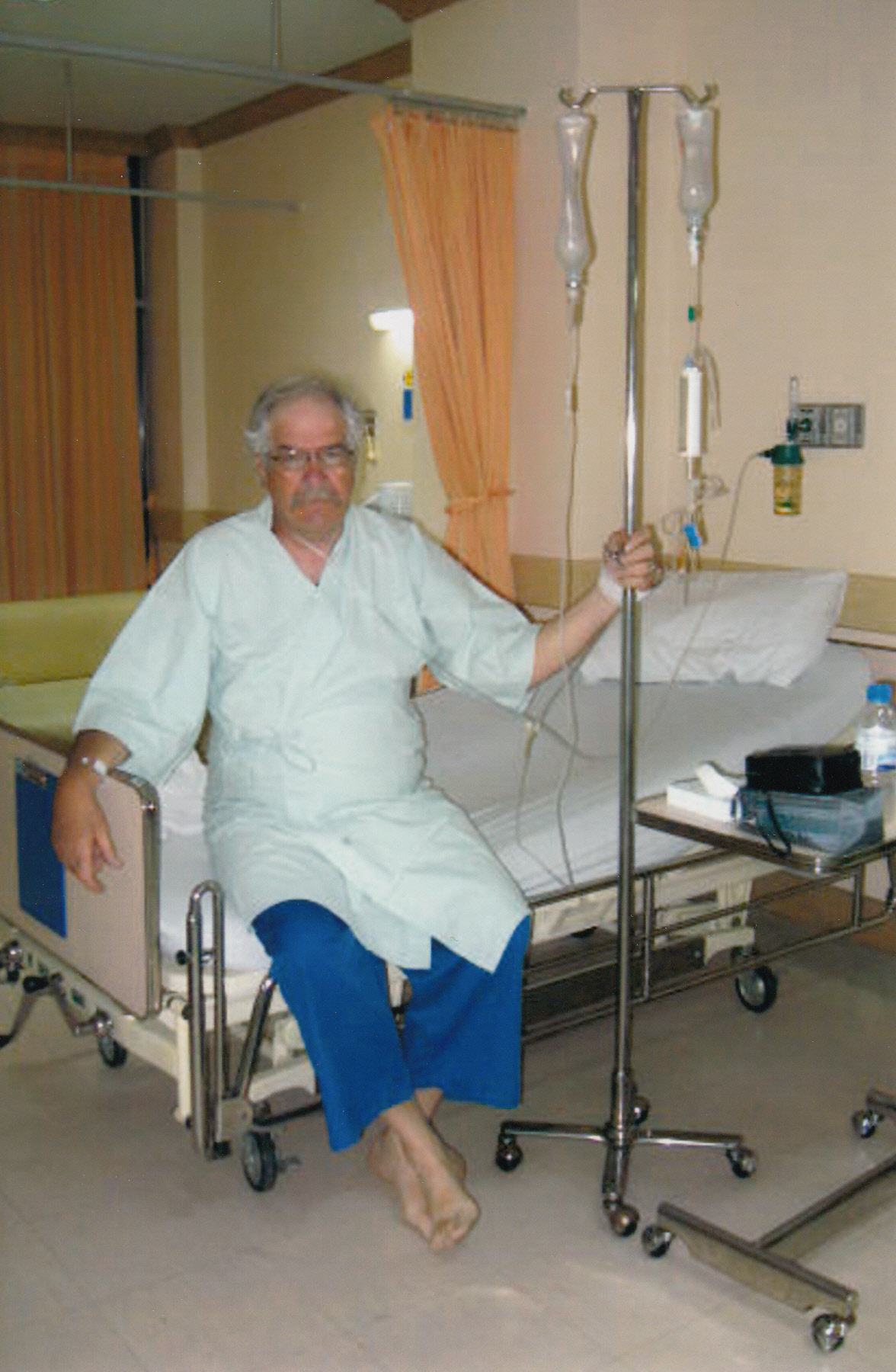
It was a hospital for “Farang,” or white foreigners.  The nurses wore old fashioned crisp white dresses and hats, the kind you only see any more in porn films.  The doctor, who looked about 14 years old, had limited English skills.  They took an x-ray of Brian’s lungs, diagnosed pneumonia in his right lung, and hooked him up to an IV.

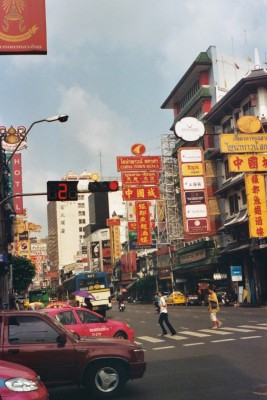
Later in the day, I learned that this hospital did not provide food or water, but rather Bangkok_streetexpected the family to bring it.  So I went out and wandered the streets of a section of Bangkok that was definitely not in a tourist area.  Under the freeway overpass, I located a marketplace.  By pointing at items and holding out a handful of Thai coins, I managed to buy some bread and fruit, though I’m pretty sure I paid too much for it.  Then I went to a gas station a few blocks away and purchased bottles of water and diet Coke.

The nurses barely spoke just a couple words of English, and had no way to take a history, answer questions, or even explain what medications they were pushing.  But, by God, they checked Brian’s blood pressure every 15 minutes.  They told him what it was, but they didn’t write anything down.  Hence the need to come back fifteen minutes later and check it again.

I slept on the couch in Brian’s room, and awoke the next morning feeling punky, tired and irritable.  This lady who had met us at the airport and spoke some English came in and asked me how I was doing.  In response, I started crying.  My throat hurt, my skin hurt, I was so tired, and I was most of all stressed out about Brian’s pneumonia.  (Was he going to die in Bangkok?)  I was also angry to find myself sitting in a hospital room for four or five days, instead of floating on the Mekong River as I had planned for the last part of our trip.  Brian, happily drugged up and getting all the attention, was grooving on the nurses and ignoring me.

The lady freaked out because I was crying and called the nurses.  Since they couldn’t ask me what was wrong, they insisted on admitting me to the hospital.  They weighed me, took my blood pressure, and gave me a chest x-ray.

Of course I didn’t have pneumonia, it was only bronchitis.  They put me on an IV filled with Vitamin B (because I was tired), but it had the effect of putting me to sleep and I slept most of the day.  Then a nurse showed up late in the afternoon to give me a shot of what turned out to be steroids.  I felt a sting as it went into my arm, burned all the way up, then exploded pins and needles in my head.  I became dizzy and short of breath.

The air-head nurse kept patting my shoulder and saying, “Are you all right?”  She handed me some water which I couldn’t hold onto, along with one square of toilet paper for who knows what.  “Madam, Madam, are you all right?” she said.  I felt like I was in a Stephen King novel, featuring Asian nurses who lock the hospital doors from the outside and come at you with cups full of pills and a syringe.

The 14-year-old doctor showed up after a while and tried to convince me to take more drugs.  My nostrils were dry, he said, so therefore I must be dehydrated.  Even though they just finished pumping a gallon of Vitamin B into my veins, he wanted to administer another bag of saline.  I promised I’d drink more water, if he could just tell the nurse to bring more than a pointy-bottomed paper cup full.  He then pronounced me vitamin-deficient.  You think?  Maybe because we were being slowly starved to death.  All I had to eat all day was a couple finger-sized bananas from the food I had bought under the freeway yesterday.

His response was to give me what he called a “Vitamin Nerve” pill.  I guess he thought I was having a nervous breakdown.  And perhaps I was.  Getting admitted to an Asian hospital where no one speaks enough English to find out what’s wrong, can have that effect.

Next thing I knew, the nurse brought in this brown bottle of medicine for me to take.  I looked at the label – most of it was in gibberish Thai script – but the contents section was written in English and I saw the word “Opium.”  Oh no, I said, pushing the bottle away.  The nurse looked at me blankly.  “OPIUM – NO!!!” I shouted.  She replied, “Sawhadee Kah”, or “thank you, ma’am,” before turning tail and running out.

Now, I know sarcasm when I hear it.  I was sure that all the nurses were whispering about me at the nurse’s station in the hallway where eight or ten of them gathered, gossiping in between their every-fifteen-minutes visits to the Farang room.  Some of them certainly were plotting to get rid of me (whining emotional menopausal complaining rich bitch that I am) and land my old man, take him home as their prize.

I had been in Thailand long enough to know exactly what was happening.  The nursesThailand_0002 were vying for Brian’s favor; he looked like a possible meal ticket for them and their extended families.  Some of them actually made some headway with their idiotic smiles and sing-songy little Asian voices.  Two of them would come into the room while I was away and dab at him with sponges.  Ripped on sedatives, he was all smiles to them.

All they needed to do was get some opium into me, then I’d be permanently out of the way.  When I refused, they sent in their leader, a Nurse Rached who tried to force me to drink from the brown bottle.  I picked up Brian’s cane and waved it at her, shouting no!!  No more drugs!!  Like the Thai dog pack, she got the message and stormed out of the room.

Finally, after four days imprisoned in St. Carlos, they said we could leave… as long as we promised to head right home to the USA.  I had no problem with following those directions.  After a month in Thailand, I had had my fill of Asia.  It was too crowded.  There was too much weird food, too strange of an alphabet, too many hostile dogs and nurses, too many old Farang men foolishly courting a young girl or boy, and too many phony “Sawhadee Kahs.”

A thirteen hour flight later, we landed in San Francisco.  I kissed the ground and vowed not to leave my side of the world for a long, long time.

In Search Of Spring

© 1986 by Kathleen Kemsley, first published in We Alaskans magazine, May 1986.

My usual habit of taking the S-curves on two wheels was confounded this afternoon when I fell in behind a camper bearing Oregon plates.  I watched with thinly concealed glee as the slow-moving vehicle hit every frost heave head on.  The driver was unfamiliar with the phenomenon of breakup, and his shocks and his carefully stored dishes were taking the brunt of the consequences.

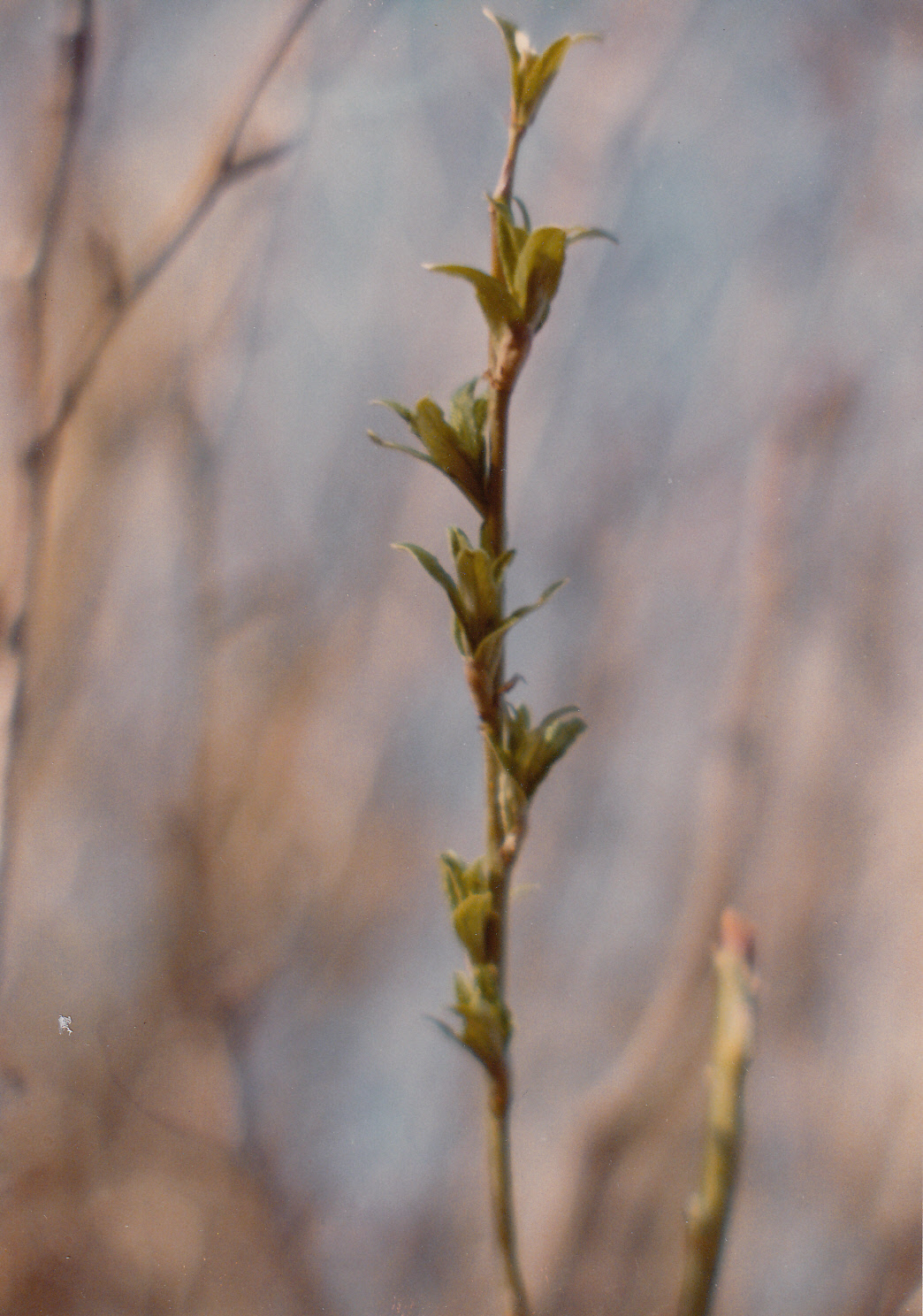
I went for this drive in search of spring.  Along the highway, stubble of willow bushes, trimmed close to the ground by lean moose, were crimson in anticipation of the chlorophylled days ahead.  White spruce stood mired in swampy sinkholes, patient as ever, but atop the frozen ponds skated a sheet of liquid melt-off.  The patches of snow were dirty and seemed to be shrinking in the sunlight.

Along the Kenai River a character interchange had occurred overnight.  Gulls, summer understudies for the art of catching salmon, had replaced the bald eagle population.  Here and there in the woods was parked a Bronco or Blazer containing a cabin-fevered fisherman unable to wait for the first run of reds.  I understood with the empathy of a fellow Alaskan winter veteran that it did not matter whether all they caught was a Dolly Varden.  At least they were outside without their parkas.

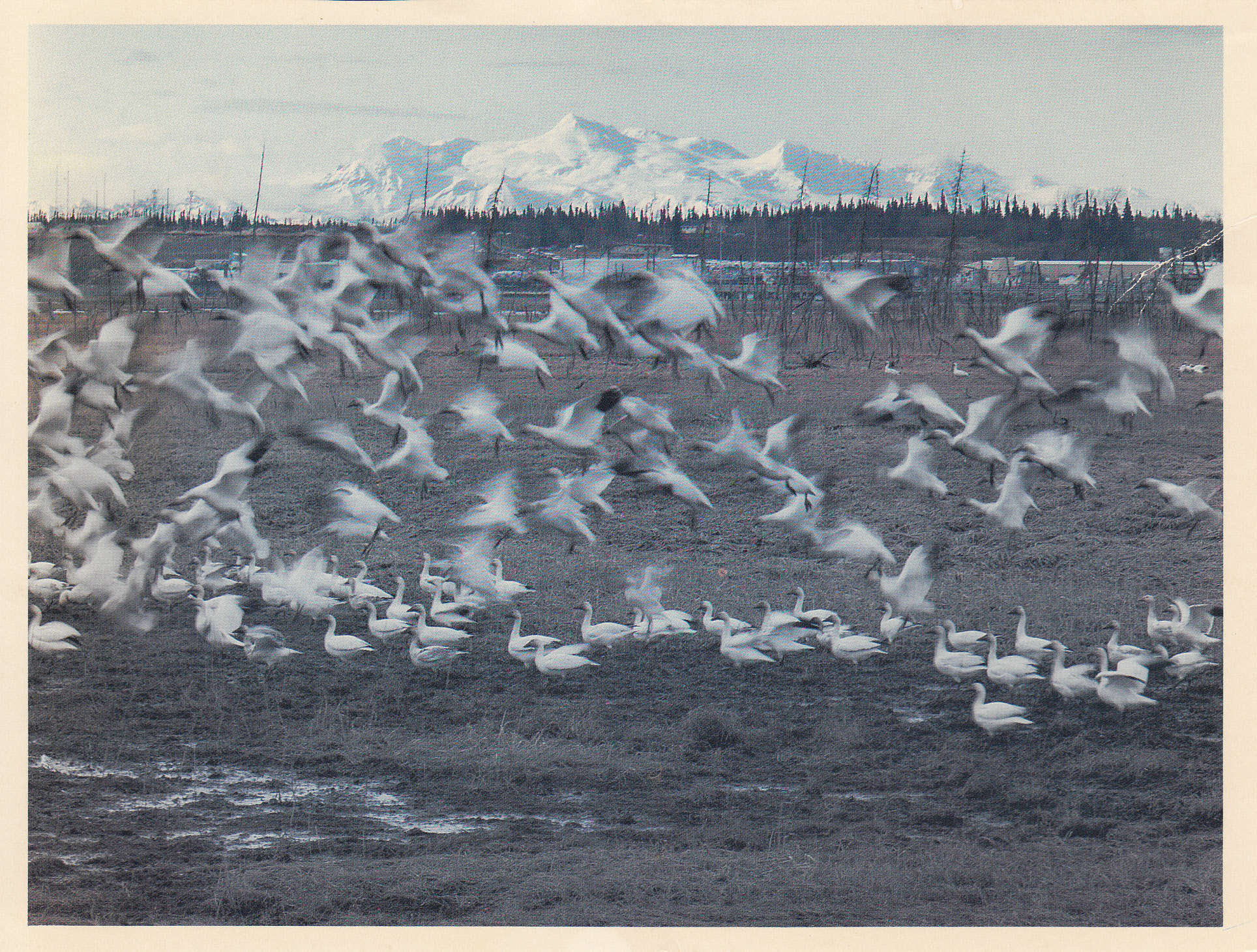
Down along the bridge across the river delta, a parking lot jam had developed.  The scene wasSpring_AK_0001 reminiscent of Polychrome Pass in Denali when a caribou crosses the road.  But the crowds of people were at the delta to look at birds.  These birds were the special ones that made the front page of newspapers when the glided in for a landing – the true harbingers of spring.

I felt a little sorry for the hundreds of honking, cackling snow geese as they waddled en masse through the delta mud.  They were welcomed by ground still semi-frozen and marsh grasses the color of dried wheat.  A stiff wind whipped through their feathers, pelting them with the remnants of a cold northern winter.

I imagined the geese trading stories, much like summer seasonal employees who just got back to Alaska, discussing their exotic winter sojourns: “I lived on top of a grass hut in Fiji!”  Yet the magpies and I were glad to see the seasonal residents returning.  Their presence told us that we had managed to survive another seven months of winter, and the end of it was imminent.

What a relief to drive through hubcap-deep mud on the back roads outside of town.  What a joy to put my sunglasses on at six o’clock in the morning.  What a thrill to be driving 20 miles anSpring_AK_0002 hour behind a camper looking for a dump station.

For awhile there, I was afraid that spring would not arrive.  I thought perhaps it was cancelled.

Alaska is the last bastion on the continent against spring.  I have learned not to call it by that name, full of promise, as they do in warmer lands.  I say “breakup” or “thaw” or “when it’s light longer,” for I have seen it snow a foot on Mother’s Day.  By the time the flowers get around to blooming, I will be too busy working and building on my cabin and fishing and hiking to give the flowers much thought.

But in this season of anticipation, all my concentration has been centered on the minute changes moving through the land.  It is a classic paradox that we Alaskans, who have less in the way of spring than any of the folks down south, appreciate it more.  Today, the mud on my truck looked beautiful.

Iceland Stopover

© 2014 by Kathleen Kemsley, entered in a contest by Icelandic Air

Iceland’s geysers, hot springs, and volcanoes always intrigued me.  I planned to go in the summer of 1983, but life intervened.  My car broke and I had to use the plane ticket money to buy a new car.  The next year, I got a job in Alaska and moved up there to work for one summer.  One summer turned into 14 years; I sobered up, got married, built a house, and launched a career.  By the time I had the time and money to try for Iceland again, a total of 30 years had passed.  This time, my husband wanted to take a trip to England, so I booked the flight on Icelandic Air so that I would be able to fulfill my lifelong desire to explore this mysterious frozen island in the North Atlantic.

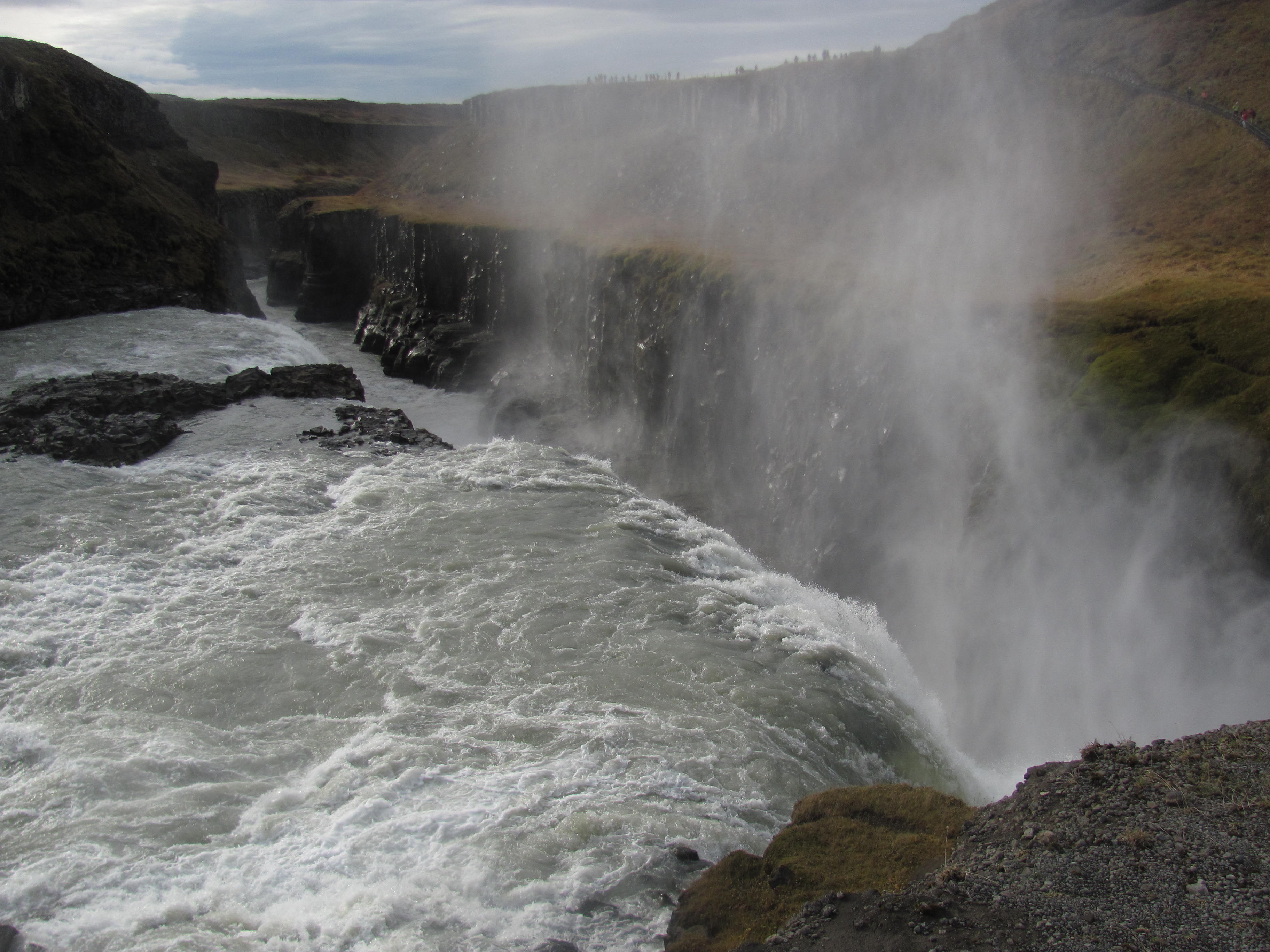
IMG_0083We stopped over in Iceland on the way home from England for three days.  Staying in a hostel room in downtown Reykjavik, we walked on Laugavegur Street, enjoyed cheddar soup in bread bowls, and shopped at a mini-grocery around the corner.  One day we took a full day trip to see Gullfoss Falls, Strokkur Geyser, and Thingvellir.  We met some Icelandic ponies and walked through a lava tube.  I was moved by the untamed natural beauty of the land.

The next day, my husband wasn’t feeling well, so I left him at the hostel and ventured alone to the city bus station in search of an “authentic” Iceland experience. With the help of a friendly English-as-a-fourth-language ticket seller I secured a seat on a local bus that took me across town to Laugardalslaug, the best hot spring complex in Reykjavik.

I wasn’t sure how to proceed.  Once entering the locker room, I asked a teenage girl how theIMG_0078 system worked.  Of course she didn’t speak English, but she pantomimed for me where to leave my clothes in a locker, rinse in the shower, and go outside to soak in the hot pots.

The outdoor temperature hovered near freezing, but the water was delightful.  The largest of the six hot pools contained salt water, and it was there that most of the local people congregated.  I lounged with my eyes closed, listening to them debate politics in the Icelandic language.  It seemed like a friendly discussion.  Even though I didn’t understand a word of it, they smiled and nodded at me while they talked, so I felt included.

After two hours of soaking in various pools, my hands were thoroughly pruned and my body was relaxed.  I made my way back to the bus stop in a cold wind.  As I rode back to the hostel, night was falling and the lights of Reykjavik glittered in the twilight.  My experiences in Iceland were magic, and I knew I’d return again someday.

Where Ya From?

© 2015 by Kathleen Kemsley, never previously published

 It’s the standard greeting of RVers everywhere.  But it doesn’t mean only what it says.  They can look at your license plate and know where you are from.  It’s just that they have a need to know so much more.

You can see their insatiable curiosity coming from a mile away.  As soon as you pull into a campground, they will come out of their tin castles and feign polishing a headlight or sweeping the artificial turf square in front of their doorway, so that they can cast surreptitious looks your way.  You can almost hear the numbers crunching in their heads.  Calculating: Is his rig bigger than mine?  Does he have more bells and whistles?  Is his spousal accessory younger?  Prettier?  Has she got a richer daddy than mine? It’s a regular Keeping Up With the Jones on wheels.

Next they come ambling over – usually when you’re still in the midst of raising the roof of your camper, taking chairs and tables out of the rig, placing blocks under tires to make the bed level.  The man – for some reason  it is almost always the male half of the RV couple – will walk around behind your truck, glance at the plate, and utter The Question.  Where ya from?

Where_ya_from_0001Back in the old days, we used to travel the United States and Canada in a 1964 Ford van painted school bus-yellow and sporting Alaska plates.  There were times when I fervently wished we could change them for less attention-getting plates from Iowa or something.  No one knows where anything is in Iowa.  But, we learned, everyone thought they knew all about Alaska.

“We went to Alaska – took a cruise up the Inside Passage,” was the most common way people laid claim to a knowledge of the 49th state.  Well, in my opinion the Inside Passage, which only covers the southeast coast of Alaska, looks exactly like what all the land just inland from that narrow strip is – Canada.  Alaska’s mainland is nothing like Southeast.  It’s about northern lights, seven months of winter, moose on the roads, thousands of loon-spotted lakes, rivers milky with glacial flour, and grubby bearded men living in plywood one-room cabins with a common law wife and an outstanding warrant in Nebraska.

“My uncle used to live in Fairbanks”—that was another way well-meaning RVers tried to connect with us sourdoughs tumbling out of the old yellow van.  “Didja know my cousin, Joe?  He was on the pipeline in the 1970s.” Alaska is a state of half a million people, spread over a parcel of land half the size of the entire continental United States.  At times it seemed like the Last Frontier was, indeed, a small town with long streets.  Still I could not keep track of these ghosts who had lived there thirty or forty years ago, Uncle John or cousin Richie.  How many people claim Alaska connections because they knew someone who lived there once?  And really, why would they think I care?

The other classic response to an Alaska license plate is, “I always wanted to go up there.”  What am I supposed to say to that?  The first thought out of my mouth is, “What are you waiting for?”  The Alcan Highway isn’t the wilderness-dirt-road-with-no-services-for-100-miles journey that it used to be the first time I went south on it.  Nowadays there’s plenty of gas stops, souvenirs, car repair shops, Overwatea grocery stores, and greasy spoon overpriced restaurants that call themselves “roadhouses.”  It’s not an “adventure” drive anymore.  It’s simply just a long haul.

Truthfully, I had never been over it in the summer time, which was when these Fair Weather RVers undoubtedly wanted to travel.  The best time to drive the Alcan really is in the winter, when the corduroy is smoothed over with packed snow and your headlights shine brightly on the snow-covered mountains.  When the northern lights blaze green and blue and white, shimmering like curtains in the sky.  When it’s so cold you can hear the tree trunks cracking.  When you invite your dog onto the bed of the van, and learn the true meaning of a “Three Dog Night.”

Fast forward a few years.  We exchanged the Alaska plate for an Idaho plate and began driving toWhere_ya_from_0002 Mexico during the winters.  Do you think that stopped the vultures at the RV parks from asking The Question?  No, of course not.  It didn’t even slow them down.  Only now, instead of making ridiculous remarks about Alaska, they made them about Idaho.

“Where ya from in Idaho?”  (Polite pause, only long enough for me to mumble, “Boise.”)  Immediately they jumped in with a story about how they went to college in (fill in the blank): Moscow, Coeur d’ Alene, or Rexburg.  Or, alternately, how they traveled through Idaho on their way to (fill in the blank): Yellowstone, Sturgis, or their grandmother’s house.  If they couldn’t think of some similarly tenuous connection between themselves and my home state, their last resort was to simply repeat a cliché, such as, “Lots of potatoes there.”

After weathering a particularly tiresome assault of old guys with nothing better to do than pounce on me whenever I exited the camper at an RV park near Culiacán, I struck back and composed a song.  From then on, any time anyone asked The Question, I replied by singing, to the tune of “Camptown Races.”

Where ya from in Idaho, doo dah.   Where ya from in Idaho, doo dah.

Where ya from in Idaho, it’s the land of the potato.

Where ya from in Idaho, doo dah.

As time went on, I started adding verses:

Where ya from in Alaska, doo dah.  (repeat) Where ya from in Alaska, my uncle used to live in Wasilla.

Where ya from in New York, doo dah.  (repeat) Where ya from in New York, we eat our tacos with a knife and fork.

Where ya from in Oregon, Doo dah.  (repeat) Where ya from in Oregon, we smoked some dope and we had some fun.

Where ya from in Vermont, doo dah.  (repeat) Where ya from in Vermont, same sex marriages are what we want.

Where ya from in California, doo dah.  (repeat) Where ya from in California, I’ve seen every episode of LA Law.

Where ya from in New Mexico, doo dah  (repeat) Where ya from in New Mexico, I saw Julia Roberts in Taos Pueblo.

Well needless to say, over the longs weeks of driving all over Mexico, I eventually  came up with a full set of 50 verses to this song, plus 10 more for the Canadian RV community.  And after that, the question, “Where ya from” no longer bothered me so much.  I’d just start humming the tune for “Camptown Races” and wandered off in the opposite direction, toward the nearest beach or mountain or panaderia.

Backwards Through Panama

© 2015 by Kathleen Kemsley, never previously published

In world travel, as in life, the best-made plans often fall by the wayside due to circumstances beyond our control.  Before Brian and I got on the plane for a two-week trip around Panama, I had figured out an itinerary which would take in the best of the country by bus.  We were goingIMG_0078 to ride from Panama City up to Boquete, then proceed over the mountainous spine of the country to the Caribbean coast and the islands of Bocas del Toro.

It was not until we actually landed in Panama City that we learned about an uprising in the indigenous population, which had disrupted travel on the Pan-American Highway.  In the time-honored tradition of banana republics everywhere, the local Indians were protesting a land-grab of their ancestral lands by big mining interests.  The rebels, lacking the firepower of the government-backed corporations, rolled huge boulders onto the main artery through the country.  Then they stood on the road, throwing rocks at passing trucks, until they had effectively shut down the highway.

It was a classic David-versus-Goliath drama, and we could not help but root for the underdogs.  Even though it meant that my carefully planned itinerary went out the window.  On the small-screen television in our hostel in Panama City, we watched live coverage of the insurrection.   Other travelers said the Pan-American Highway was closed indefinitely, and they had various theories about how to get around it.

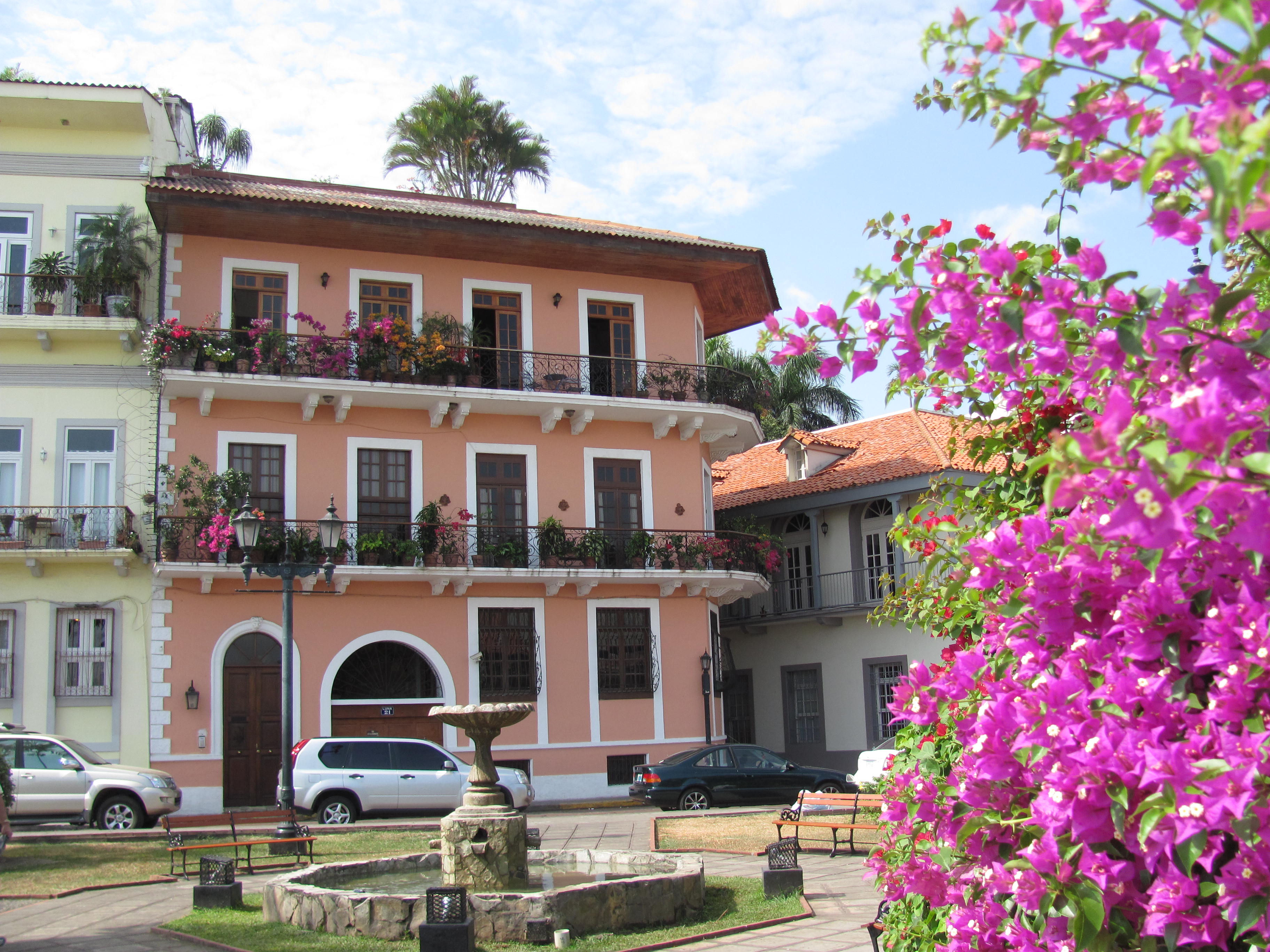
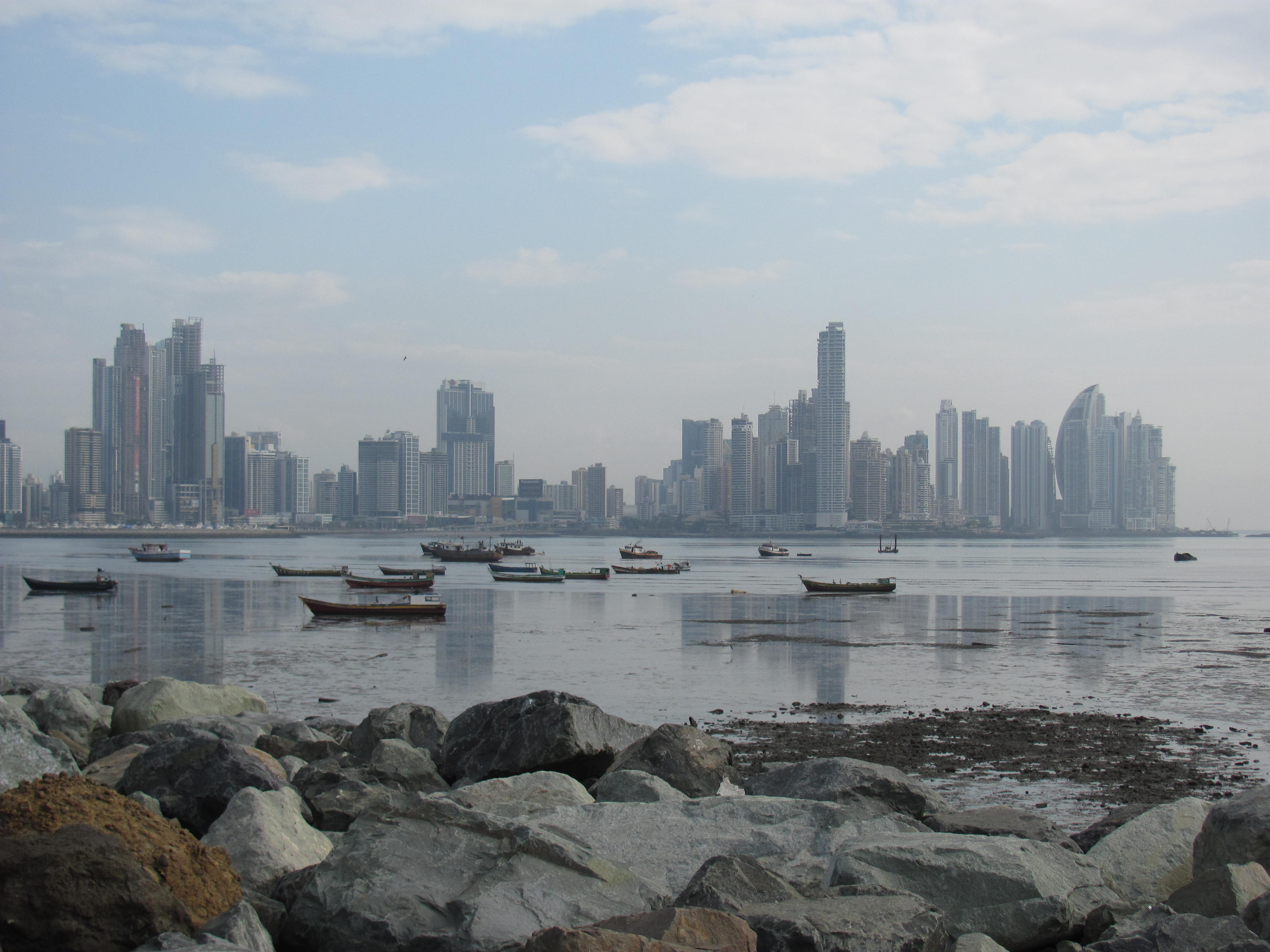
IMG_0006My first plan was to wait a couple days and see if the situation resolved.  So we spent one day walking around the “old town” and the sea-front malecon, and another day riding a local bus to Miraflores Locks to view the Panama Canal.  After two days, there still was no change in the highway situation, so I called and purchased two seats on a small airplane headed to Bocas del Toro.  If we couldn’t do the trip in the planned order, we would just start at the end and go backwards.

The flight from Panama City to Isla Colón took less than an hour, but the two places seemed worlds apart.  The Bocas del Toro islands have a mellow, relaxed Caribbean vibe.  Thus far largely undiscovered by the hip ex-pat community, the islands are connected to the mainland by ferry and to each other by water taxis for hire at the main dock in downtown Bocas.

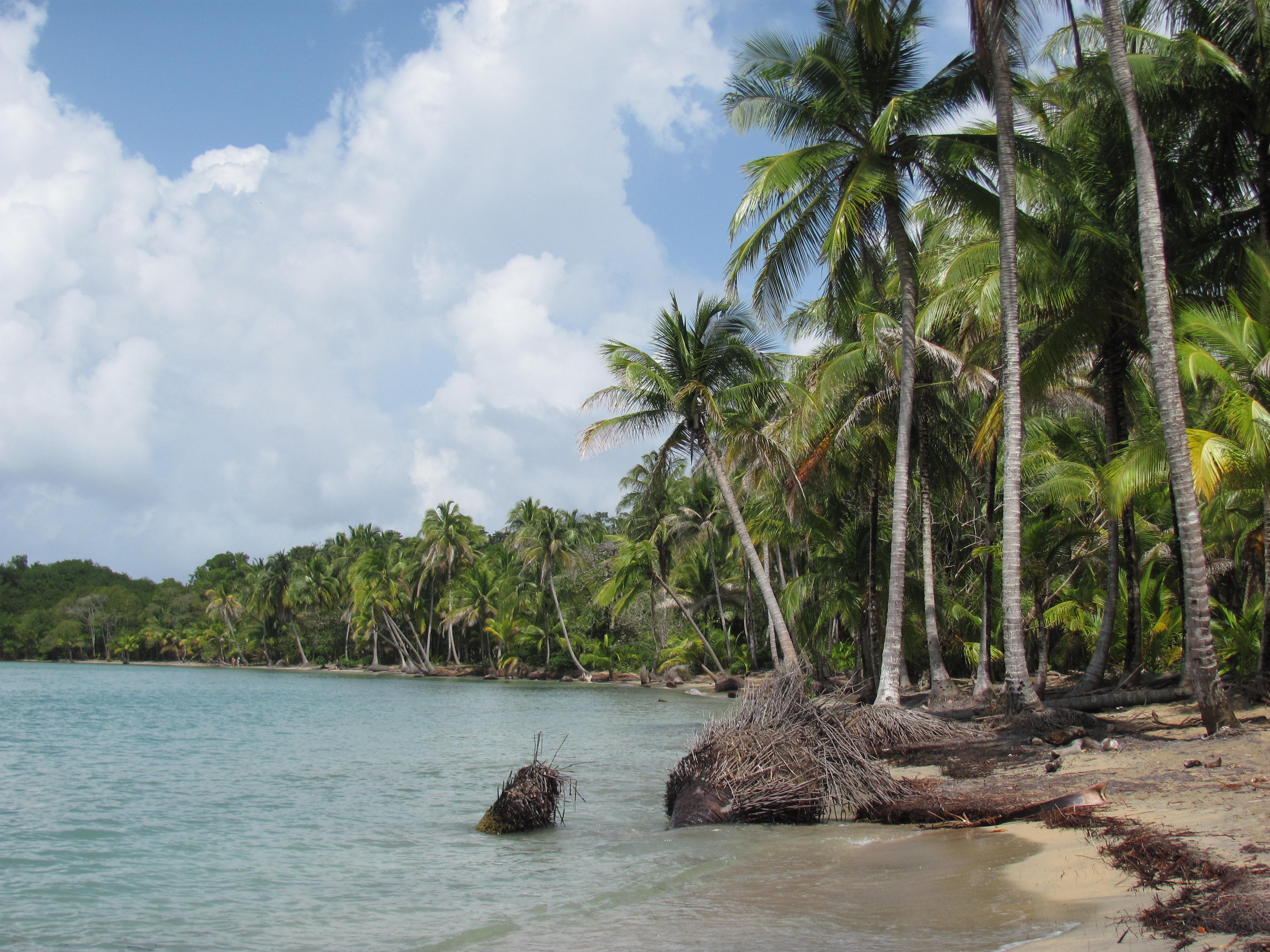
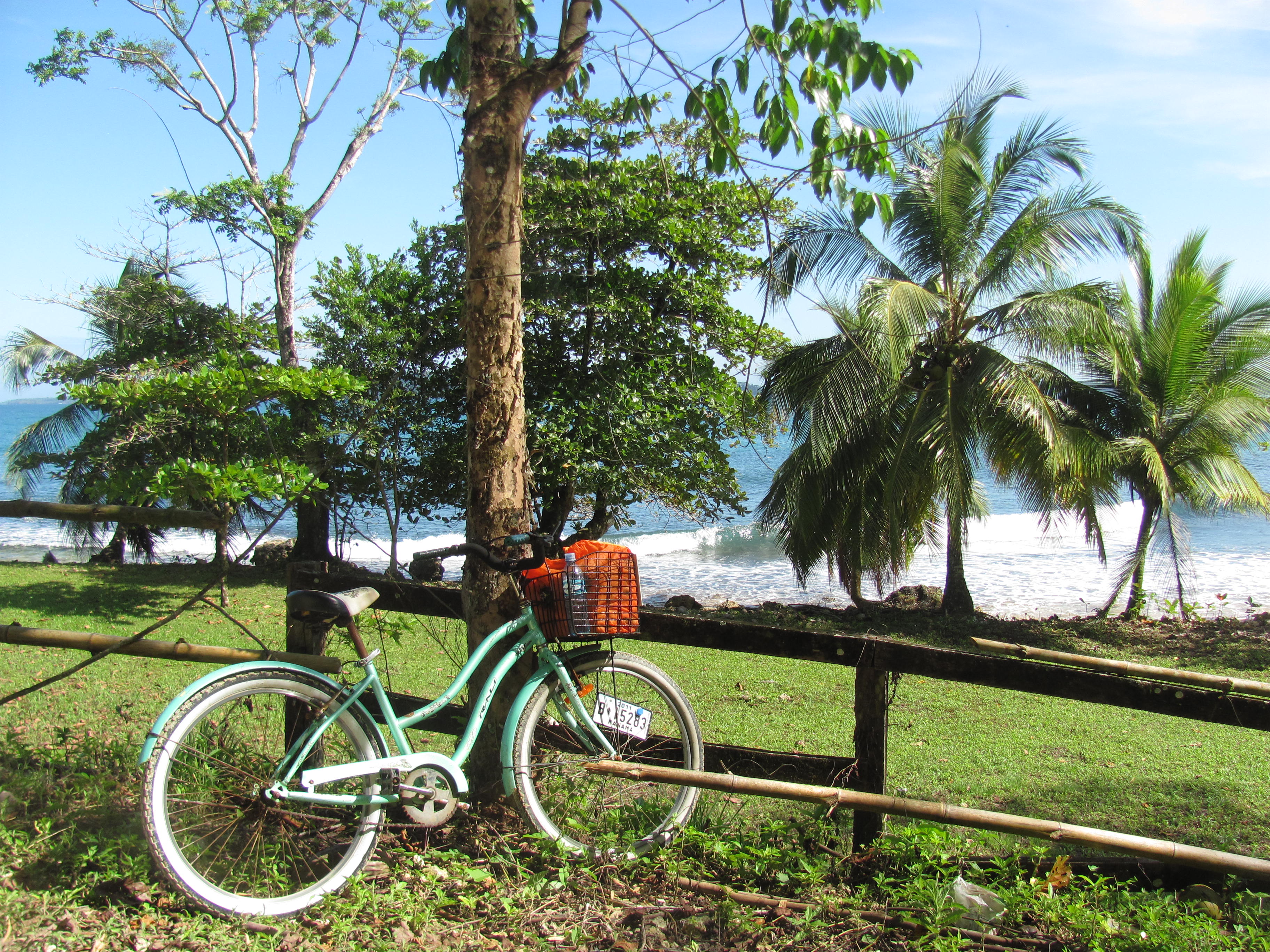
We entertained ourselves for several days snorkeling in the islands near Isla Colón, wading andIMG_0121 bodysurfing at Red Frog Beach, bicycling to nearby golden sand beaches, and eating seafood and treats from the local panaderia.  From there we crossed to the mainland and boarded a chicken bus for the six-hour-long ride over the mountains to the Pacific side of Panama.  Grandmas and babies and dogs and young working men sat three to a seat or stood in the aisle during the slow route that stopped in every little town.

The bus dropped us at the main plaza in the town of Boquete.  Not having any advance reservations, we made our way to a nearby local hostel, where we spent a miserable night on lumpy beds listening to obnoxious bar music blaring in through a window that didn’t close. The next day I hiked around until I located a much quieter room up the street.  There we stayed comfortably ensconced for a few days.  I went on a day trip with a group of hostel kids to a hot spring, while Brian enjoyed sitting in the central plaza watching people and making friends.

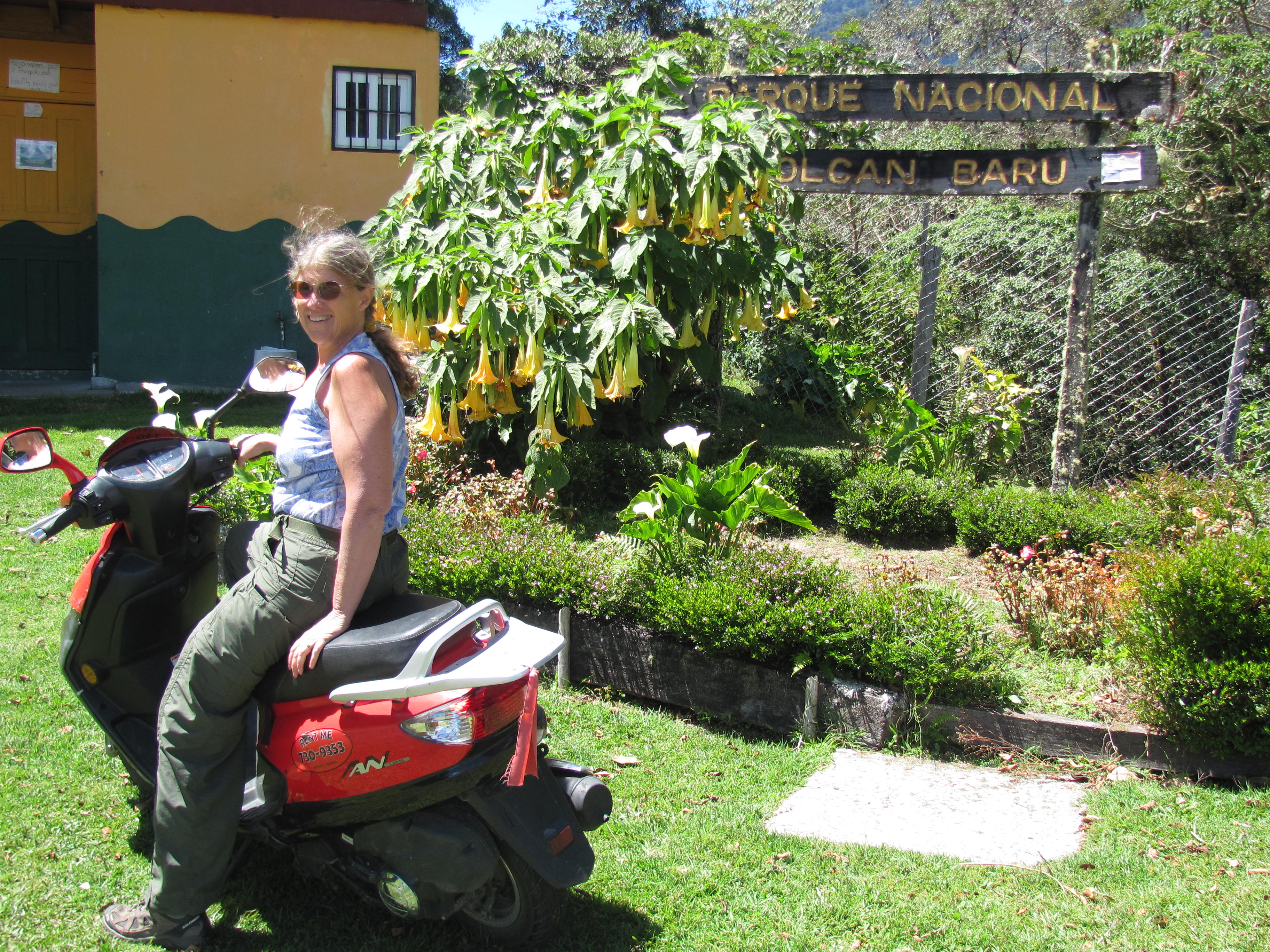
IMG_0206Boquete had a hefty population of ex-pats who regularly traveled back and forth between there and Quepos, in southern Costa Rica.  We enjoyed meeting some of them and listening to their discussions about the pros and cons of living full time in Panama.  One day we rented scooters to explore some of the countryside around Volcán Barú,  Panama’s only volcano, now dormant, and rising to over 10,000 feet elevation.  For Brian, that day was the highlight of the whole trip.

Reading ahead in the Lonely Planet book, I got a jones to visit the national park at Golfo del Chiriquí on the Pacific Ocean.  The guide book advised that reservations were necessary weeks in advance to secure a spot at the only lodge within the park.  Hoping for a miracle, I e-mailed the lodge and almost immediately heard back that they had just received a cancellation.  So they offered us one “rustic room” at Boca Brava, bathroom down the hall, for $10 per person, take it or leave it!  Of course, I took it.

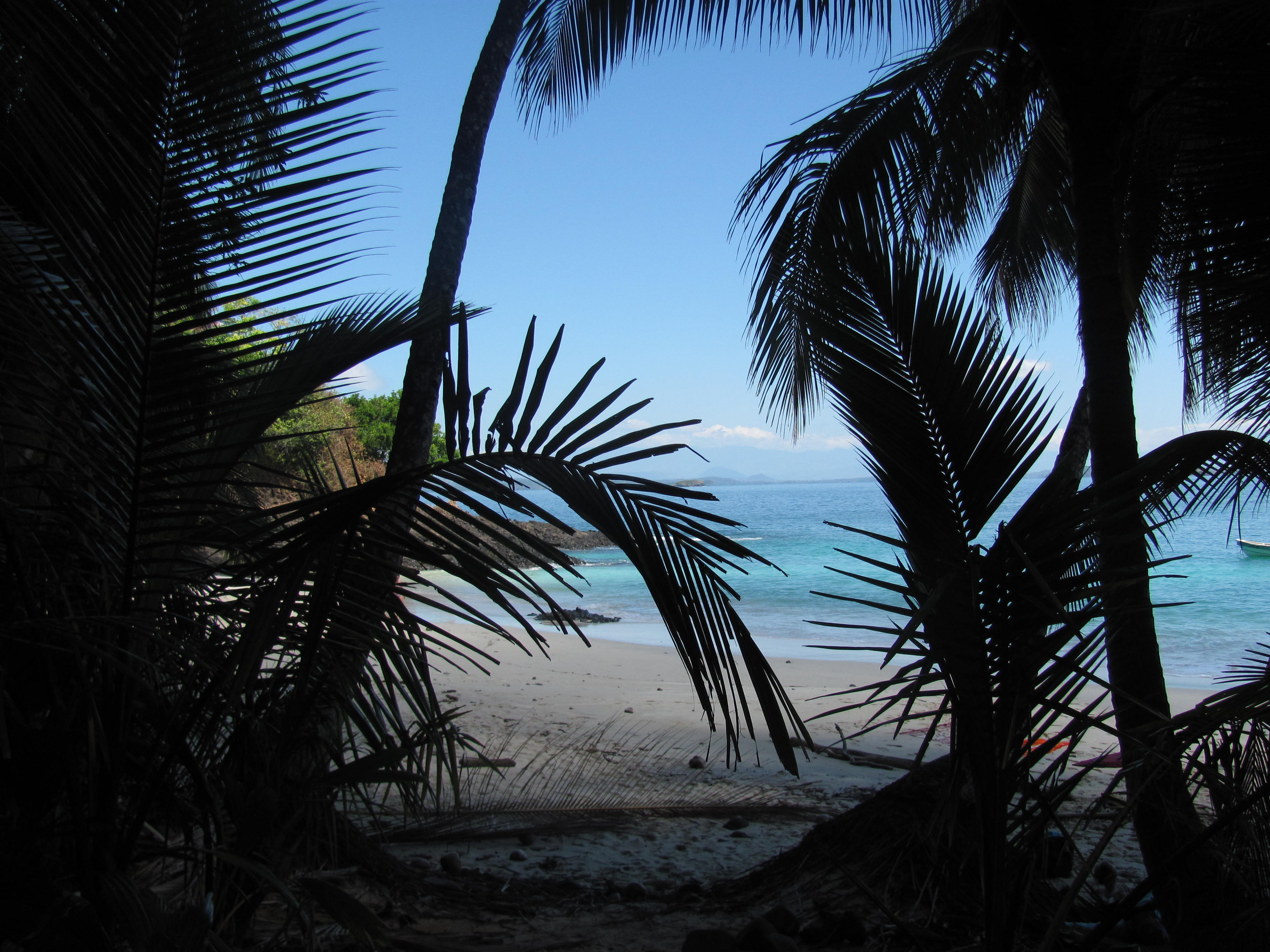
Departing from Boquete the next day, we rode on two different busses, a taxi, and a water taxi to make our way to the island lodge.  Once there, Brian relaxed in a hammock and talked to otherIMG_0273 travelers, while I went on a day-long snorkeling trip to a couple of the islands inside the national park.  Our rustic room turned out to consist of two mattresses on the floor and a sea breeze blowing through open windows.  Not too bad of accommodations for ten bucks.

By the time we were ready to leave Golfo del Chiriquí, almost a month had passed since the start of the Indian uprising.  Asking around, we learned that the opposing sides had recently come to an uneasy truce, and the boulders had been removed from the Pan American Highway.  So we walked out to the highway and almost immediately flagged down a plush double decker long distance bus that was on its air-conditioned way to Panama City.

IMG_0063Six hours and $30 later, we found ourselves back in civilization, with one more day to spare before our flight home.  It happened to be Mardi Gras, so we dumped our backpacks at a cheap hotel in the Casca Viejo section if the city, then spent the evening enjoying the festivities.

Returning to the hotel late in the evening, we heard multiple fire truck sirens.  We climbed up to the roof to see what was going on.  A whole block of the city was ablaze!  Though I felt sorry for people whose apartments were burning, I must say it was a spectacular show to watch from afar.  The impromptu entertainment of a raging structural fire was a great way to end our seat-of-the-pants backwards trip through Panama.

Riding the Indian Lands

© 2006 By Kathleen Kemsley, First published in Rider Magazine, July 2007 

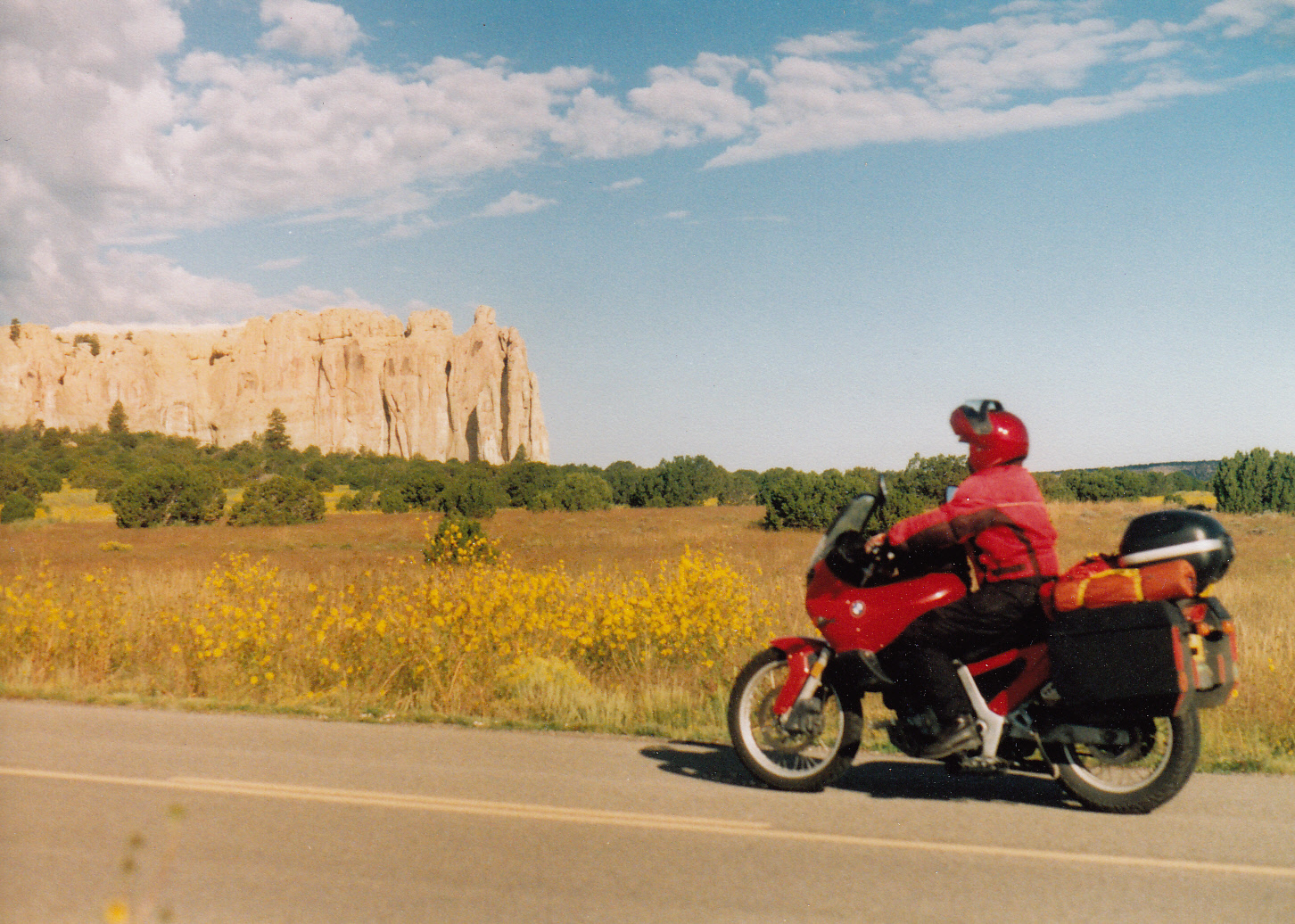
The climate can be too hot and rainy in the summer, too cold and windy in the winter.  But motorcycling conditions in the high desert during the spring and fall months are nearly perfect.  A commitment-free week in September beckoned my husband and me to ride the Indian lands ofIndian_lands_0001 the Southwest, following a loop route that offered cultural, historical, and scenic highlights.  A little frost, a stiff crosswind, a brief rain shower, a sunburned nose – these minor inconveniences simply reminded us that we were not looking at the landscape from the inside of a car.
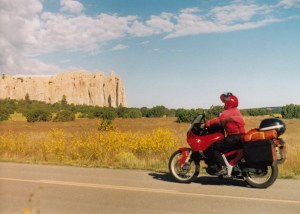
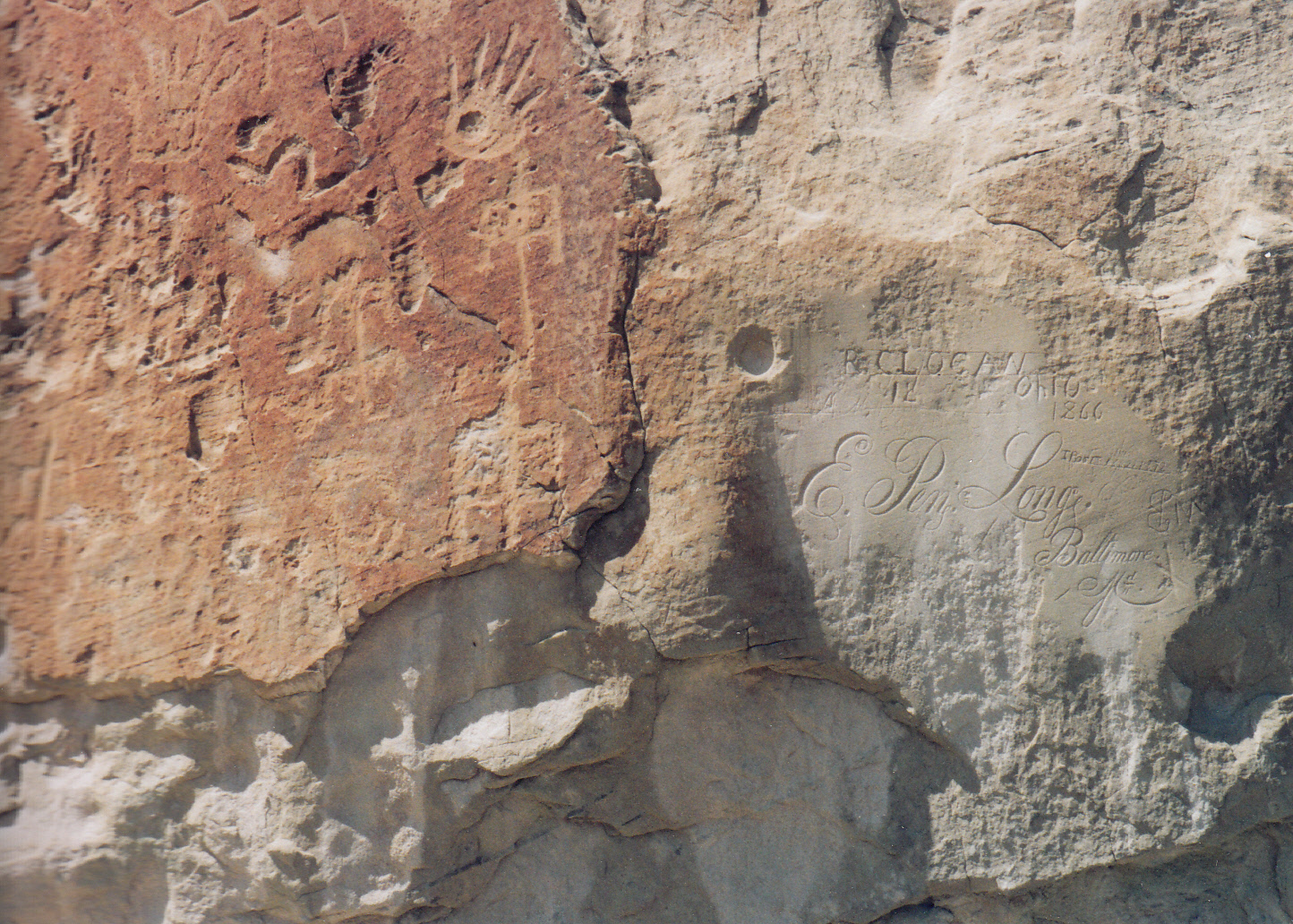
We began our ride in a place that bears traces of the waves of migration characterizing the Indian lands.  Following the Ancient Way Highway from Grants, New Mexico off Interstate 40, we reached El Morro National Monument in the early afternoon.  The tall sandstone cuesta offered centuries of passers-by an irresistible blank slate on which to scratch pictures, names, dates, and narratives – graffiti elevated to historical treasure.

Earliest are drawings by ancestral Puebloans (also known as Anasazi in the Navajo language).  Indian_lands_0002These ancient people lived on top of the rocks in a village called A’ts’ina.  Next, 17th century Spanish explorers such as Don Juan de Oñate and Don Diego de Vargas etched ornate inscriptions into the rock face commemorating their passage.  Finally, Army soldiers and tough American pioneers heading west in the mid-1800s added their signatures to the rock.

Open fields around the monolith flashed with a riot of wildflowers, paintbrush and globe mallow and purple asters and sunflowers, yield of heavy summer monsoon rains just past.  A small campground within a mile of the inscription rock provided our night’s lodging.  Convenient piles of free firewood, product of a juniper eradication project, took the chill off a starry evening at 7,200 feet elevation.

West of El Morro on the Ancient Way Highway lay Zuni Land.  The Zuni Indian tribe, 14,000 strong, carries on its traditional way of living in stone-and-mud pueblos.  Tribe members survive economically by selling intricately crafted jewelry and carvings and by forming fire crews to battle summer blazes for the Forest Service.  Zunis believe themselves, along with their cousins the Hopis, to be direct descendents of the Anasazi.  A Zuni guide from the Visitor Center showed us elaborate murals painted on the inside walls of a 17th century church in the center of town.  “These images depict our kachinas – spirits of the Zuni people,” she said.  “We have adopted some aspects of Christianity, but we Zuni revere many Gods.”

A dirt road south of Zuni leads to the ruins of Hawikuh, site of the first contact between Zunis and Spanish in 1539.  Explorers searching for the legendary “Seven Cities of Cibola” saw sunlight glinting off mica flakes in the windows of Zuni pueblo dwellings and mistook it for gold.  TodayIndian_lands_0003 most of Hawikuh remains buried under a heap of red dirt.  A check-in with the Zuni Visitor Center is required before touring the site; the Zunis ask that visitors respect the ancestors by leaving any found artifacts in place.
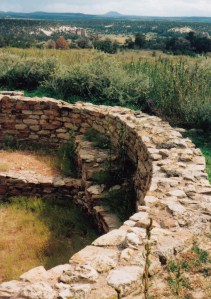
From Zuni we crossed into Arizona and headed south to St. Johns.  There we rode west through scrub-covered hills to reach Petrified Forest National Park.  Though Petrified Forest is known mostly for its fossils, park researchers have inventoried over 500 archeological sites, including Puerco Pueblo and Agate House.

Besides dwelling site ruins, the native people of the Little Colorado River region left drawings of humans and animals, as well as geometric patterns and spirals, chiseled on flat slabs of sandstone.  Archeo-astronomers discovered that the spiral petroglyphs function as calendars.  Shadows or sunlit images move across and pierce the center to mark important annual events such as solstice, equinox, and the start of the frost-free growing season.  This phenomenon occurs elsewhere in the Southwest, but Petrified Forest contains the largest known concentration of these ancient almanacs.

Indian connections aside, riding through Petrified Forest provided astonishing views of the Painted Desert, Crystal Forest, and the Teepees, interspersed with many fun twisties.  It seemed a shame to stick to the posted 35 mile-per-hour limit.  Passing slow motor homes, we leaned into the scenery and too soon emerged onto Interstate 40.

Indian_landsFifty miles west of Petrified Forest we reached the ruins of Homolovi, four distinct villages populated along the Little Colorado River during the 13th and 14th centuries.  Native oral tradition recounts that Hopi Indian ancestors came from this part of Arizona.  Archeological work on the ruins, supported by the Hopi tribe, is ongoing.

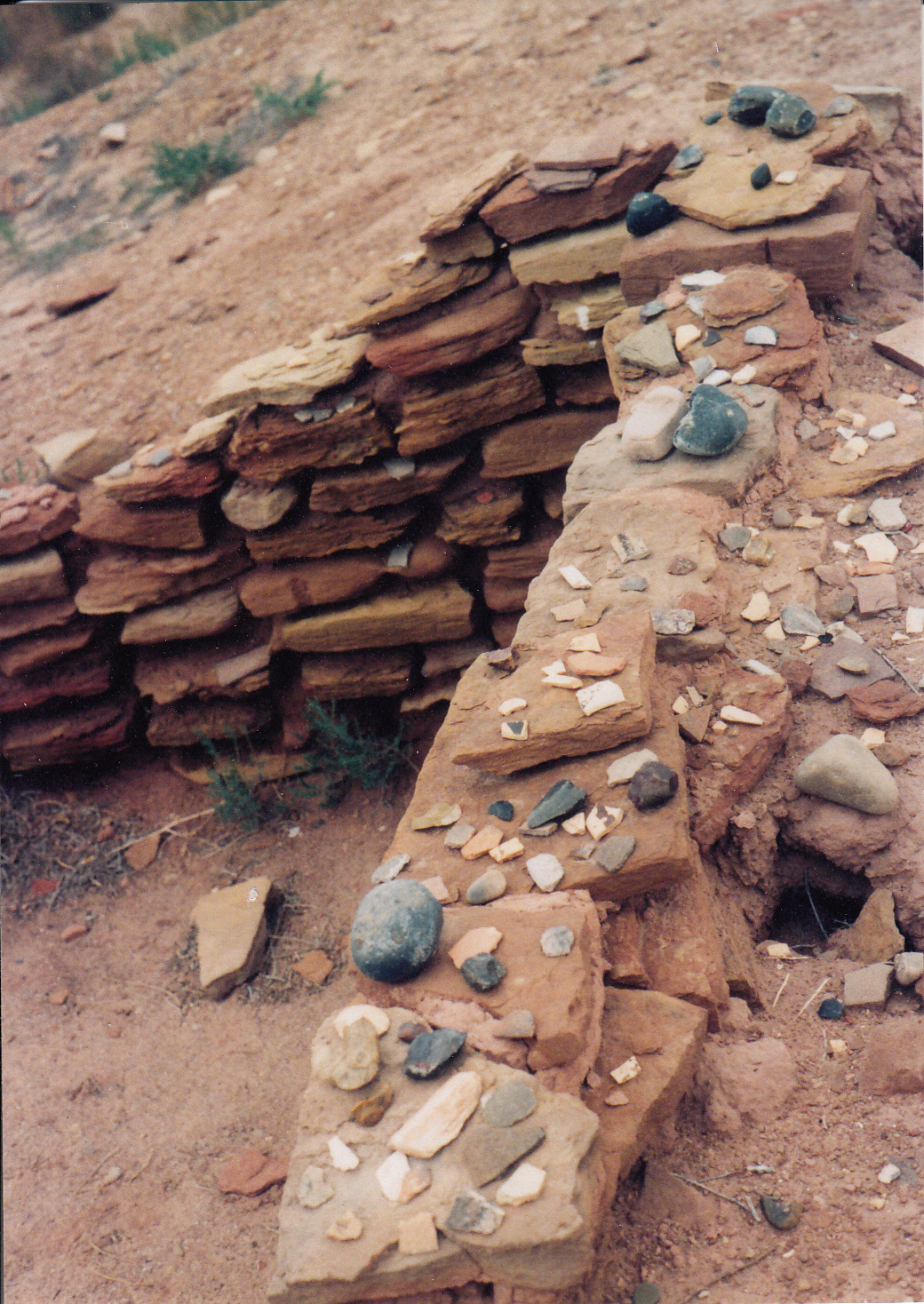
Few people ever exit the Interstate long enough to visit Homolovi State Park; even fewer actually spend the night there.  But we found the campground comfortable (if a bit windy) and the showers blessedly hot.  A walk through the ruins of one village presented us the opportunity to finger 800 year old black-on-white, gray corrugated, and black-on-red pottery fragments.  Taking a shard home crossed my mind, of course – who doesn’t consider pocketing a souvenir?  But in the end I left them where they lay, because on my living room mantel, these ancient relics would lose their context.

We rode north of Homolovi to reach the Hopi Cultural Center on Second Mesa.  A three dollar entry fee allowed us to view the museum’s historical photographs of life on the Hopi mesas a hundred years ago.  Ancient, lined faces of Hopi elders and camera-shy children peeking from behind their mothers’ skirts provided a window into an exotic, bygone world.

Today Hopis continue to weave, carve, dance, make jewelry, and celebrate the celestial seasons much as their ancestors did.  But the Hopis also have a foot firmly planted in the modern world.  A patriotic people, a high percentage of young Hopi warriors volunteer for the armed services.  The first American woman killed in Iraq, back in 2003, was Hopi.

East of the Hopi mesas the road led to Hubbell Trading Post National Historical Site.  A remnant of many such outposts established a century ago, the Hubbell Trading Post still buys rugs, jewelry, and baskets made by local Navajo Indians.  In browsing through several rooms of the store, I learned that my taste was champagne: the Ganado Red rug I picked as a favorite carried a price tag of $2900.

We listened to a talk given by the museum curator later that day about his experiences living among the Navajo.  He recounted attempts to speak the difficult Navajo language and participate in traditional dances.  I admired his willingness to let go of his own viewpoint – that of a single white man from Michigan – and share perceptions gathered by close observation of Navajo Indian_lands_0004customs (limp-wristed hand shaking), taboos (pointing with the index finger), and etiquette (never interrupting a speaker).
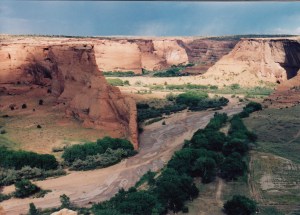
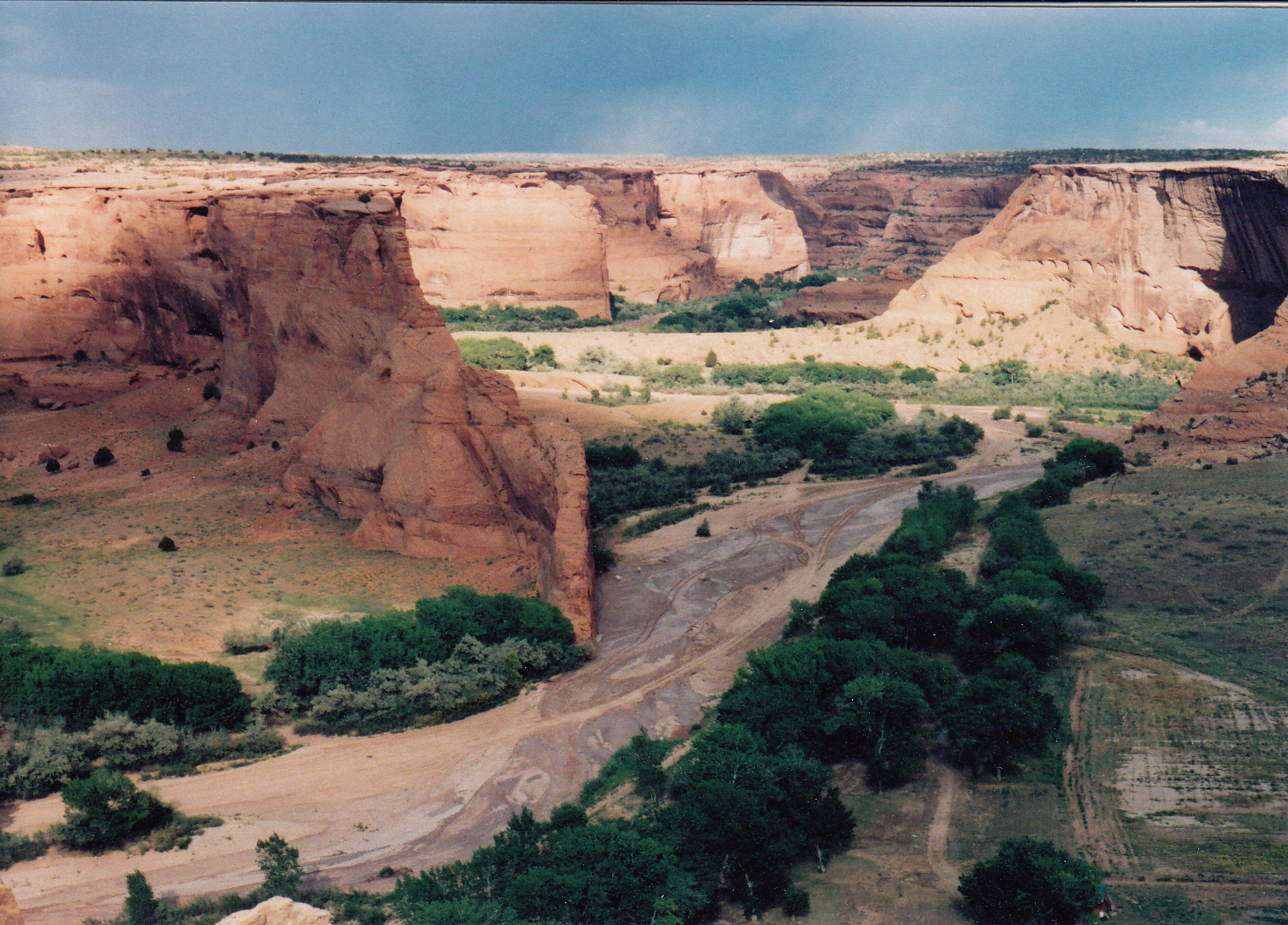
Thirty miles up the road from Hubbell, Canyon de Chelly National Monument preserves a canyon inhabited by Navajos who farm the rich bottomlands.  We rode both the north and south rims of the canyon, pausing often to take in startling views of slickrock domes, slot canyons, and cliff dwellings tucked into caves along Chinle Wash.  Visitors are allowed foot access into the canyon on White House Trail, but traveling anywhere else within the monument requires a Navajo guide.  Half-day tours by foot, horseback or jeep cost $50 to $130 per person.  Unfortunately, dual-sport motorcycle trips into the chasm were not offered as an option.  Too bad, because the rutted dirt roads on the canyon bottom just begged to be navigated by my BMW F650.

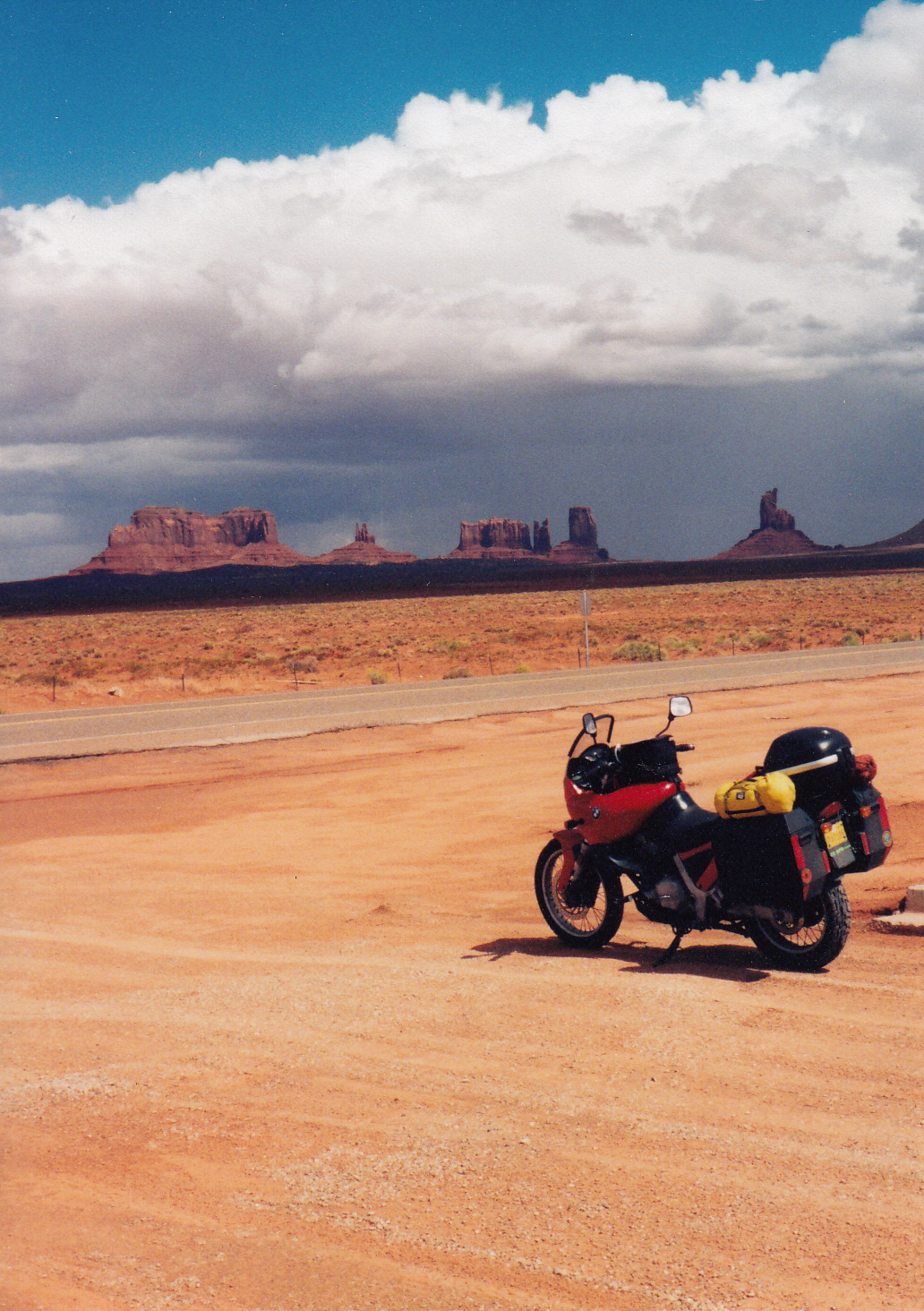
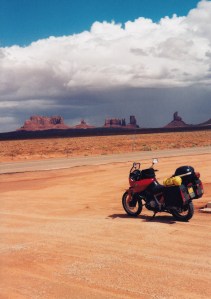
Ah, well.  The brick red soil of Navajo Land reflected pink on the underside of puffy cumulous clouds.  Sheep, goats, horses, cattle, even a donkey grazed along unfenced roadside fields.  We stopped at Amigos Restaurant in Kayenta to fulfill the time-honored tradition of consuming a Navajo taco – in this case, a humongous round of fry bread topped with mountains of beans, chili, and cheese.Storm clouds gathered as we approached Monument Valley.  A brief stop at Goulding’s Lodge brought back memories of watching John Wayne movies on Saturday Indian_lands_0005afternoon: many of those classic westerns were filmed in the canyons behind Goulding’s.  With rain looming ahead, and arroyos flash-flooding beside the highway, we sailed through the valley.  We reached cover at a campground in Bluff, Utah just moments before the clouds delivered their promised deluge.  A male rain, the Navajos call it, intense and violent.  The gentle sustaining rains that characterize the winter months they designate female.
The Indian lands route led us past Four Corners and up to Aztec, a national monument named by someone who mistook the pueblo for ruins found deep in Mexico.  On the contrary, Aztec looks nothing like the Pyramid of the Sun.  But its three-story dwellings, giant round kivas, and T-shaped doorways bear remarkable similarity to both Mesa Verde to the north and Chaco to the south.

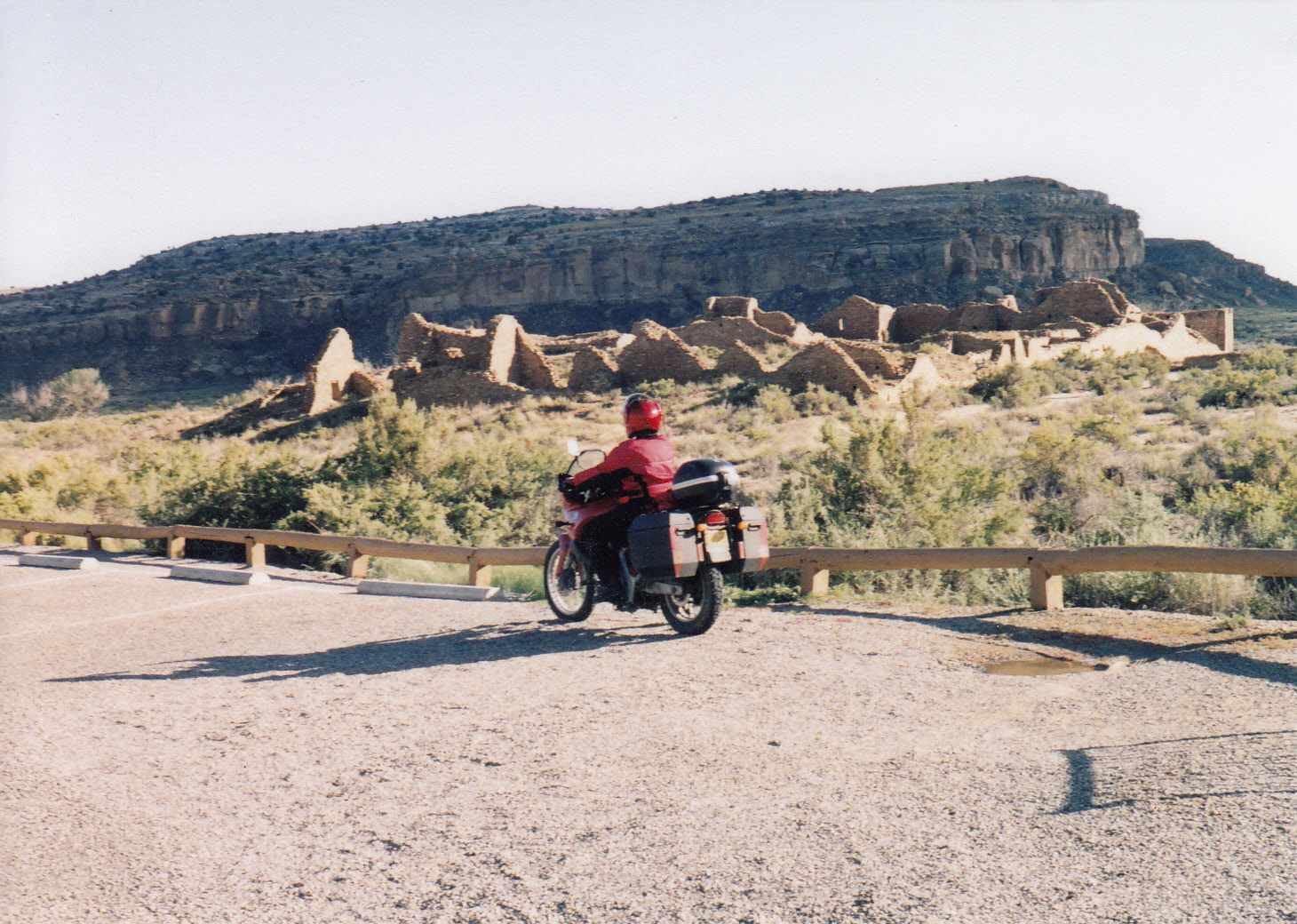
We inquired about the road to Chaco.  A flash flood had run across the road, but the ranger said the water was receding, so we decided to chance it.  The last fifteen miles of wet dirt into Chaco were recently graded and fairly smooth.  At Escavada Wash, water twelve inches deep rushed across an arroyo bottomed by concrete.  I plunged ahead; what’s a dual sport bike for?  My lowerIndian_lands_0006 legs and boots took a drenching in the muddy bath, as did my husband’s Gold Wing and sidecar, but we successfully completed the crossing and proceeded into the park.

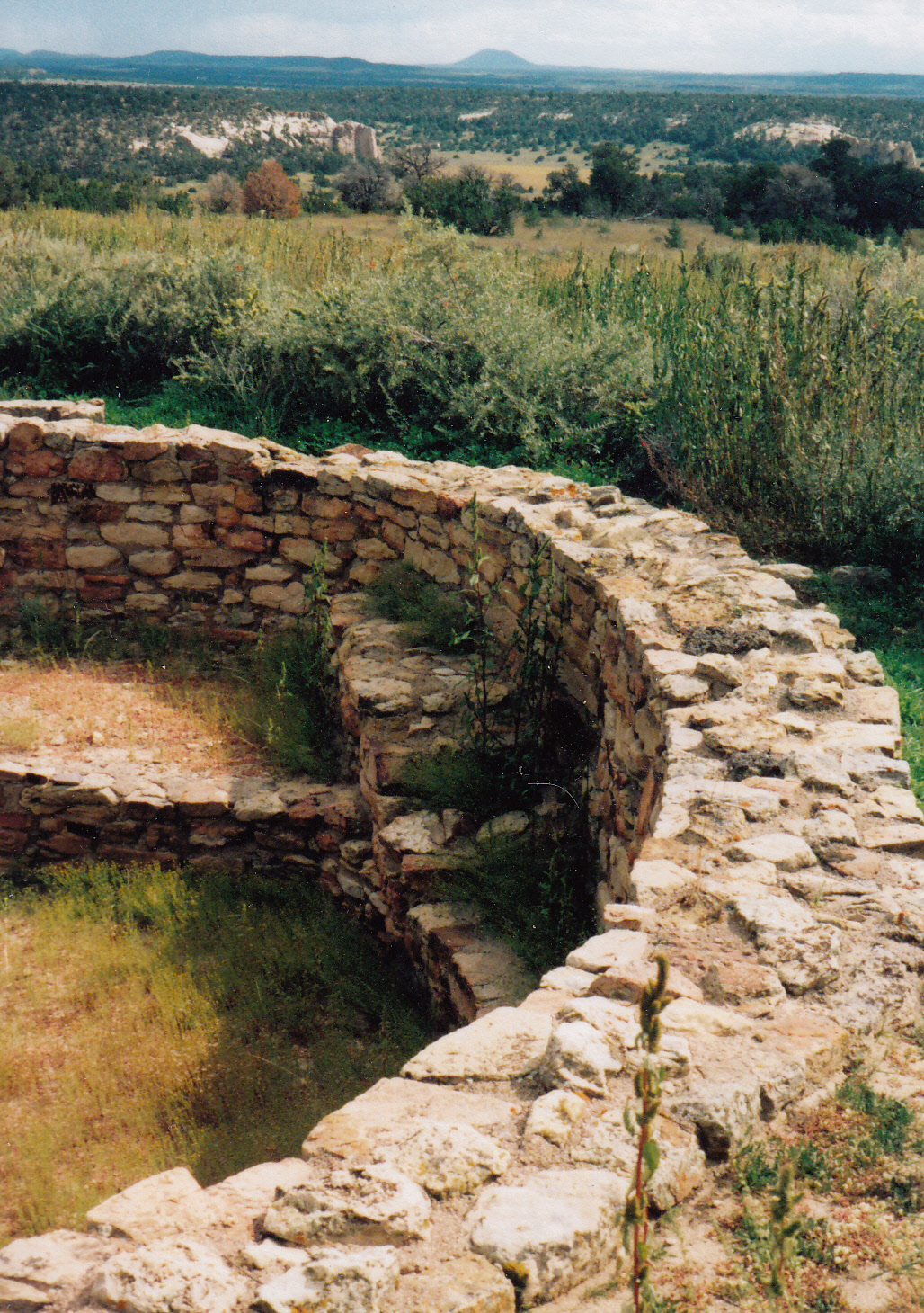
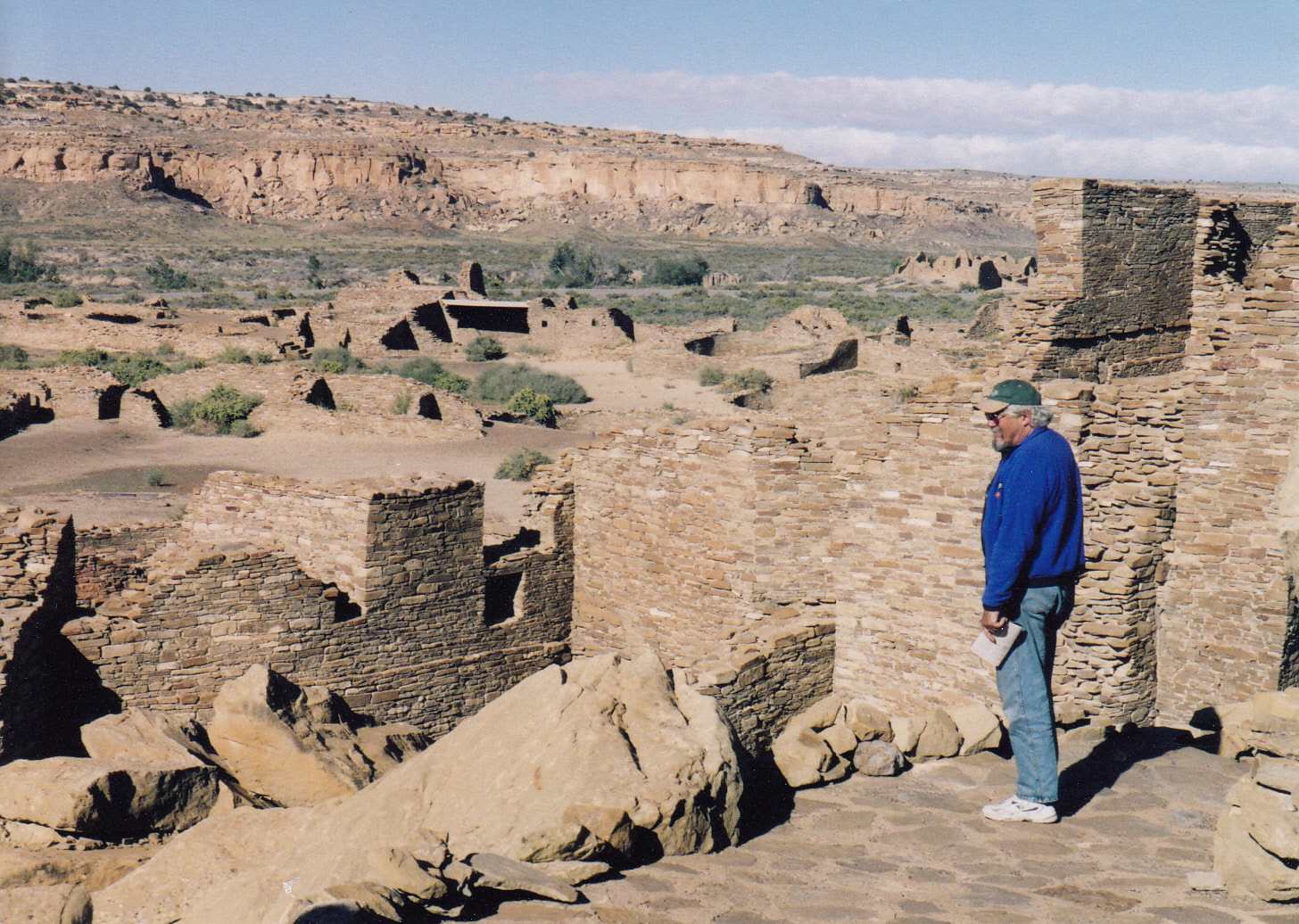
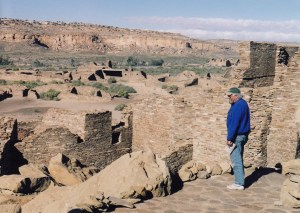
Chaco is the granddaddy of ancestral Puebloan ruins.  Consensus among contemporary archeologists is that Chaco was a rendezvous place for residents from throughout the Southwest.  The wind whistled past crumbling walls of Pueblo Bonita’s great houses and kivas.  Remnants of ancient voices floated through empty rooms.  Obviously a huge effort went into building this sandstone city.  What drew hundreds – perhaps thousands – of Native Americans to traipse to this remote site?

But then I thought about modern motorcycle rallies – Sturgis, Daytona Bike Week, Laconia.  Perhaps human nature hasn’t changed so much after all.  We still gather in large numbers to party, play games, tell stories, meet people, flirt, dance, feast, drink, buy and sell trinkets, argue, Indian_lands_0007and philosophize.  Perhaps Chaco was nothing more than the Sturgis of the Anasazi world.
Thinking of it in those terms humanized the place for me.  Picturing the ancient inhabitants of the desert playing “bite the weenie,” kicking stone tires, and collecting Poker Run cards in the sandstone plazas kept me chuckling all the way out twenty miles of washboard dirt road.  Eventually we reached pavement, gas stations, ice cream, and yet another winding road which led back to Interstate 40 and Grants, where our Indian lands ride had begun.
Back Roads of Guatemala

Back Roads of Guatemala

 © 2015 By Kathleen Kemsley, from journals kept in 2007

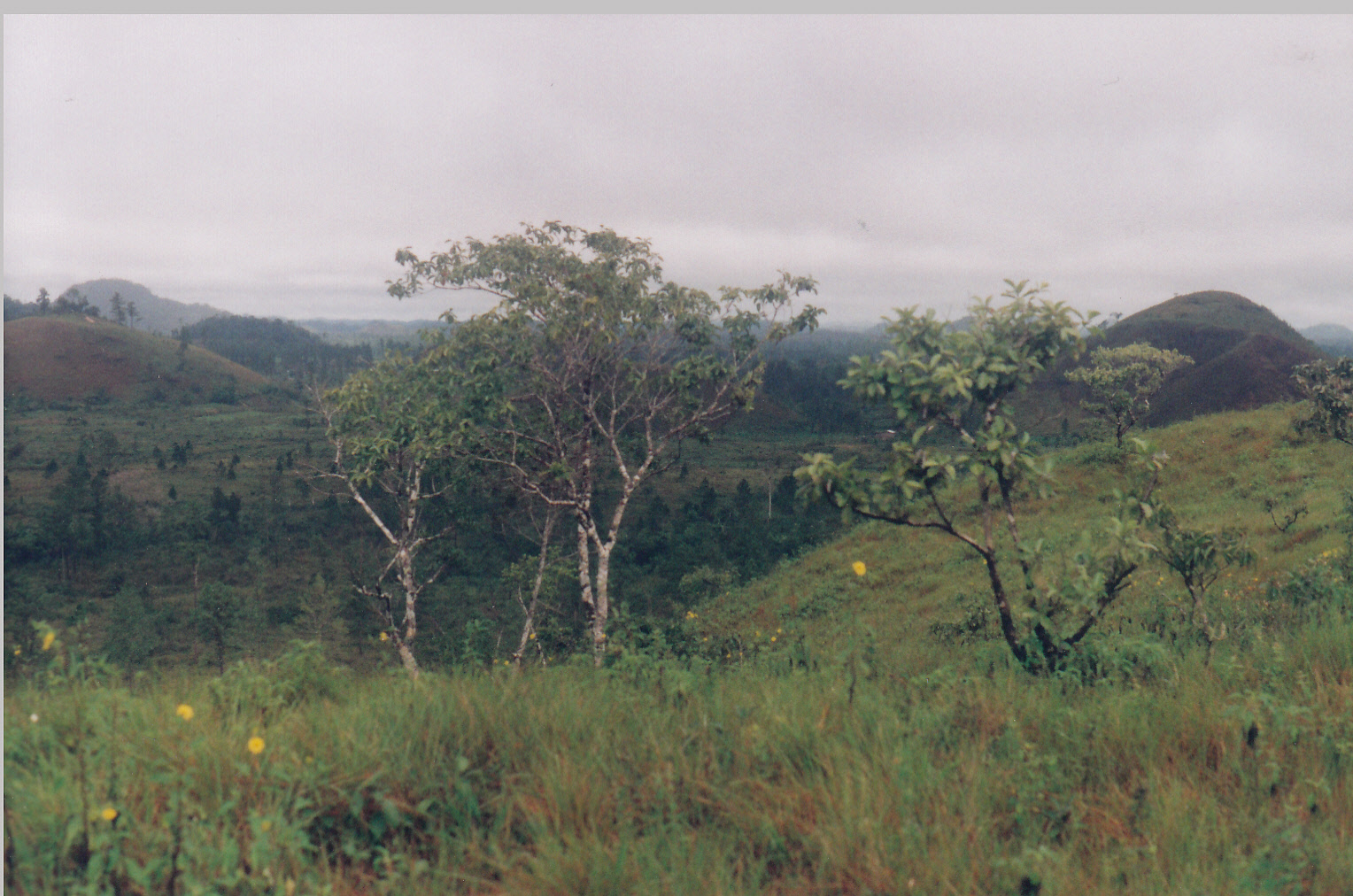
On the back side of Guatemala, coming from Belize, the state of Petén is known as the “last frontier”.  Until the end of the Guatemalan civil war, the road wasn’t even paved.  The journey to Tikal was then a grueling 20+ hour ride by chicken bus from Guatemala City.  At one time in the past, the Germans offered to pave the road if Guatemala would promise to preserve the rain forest, which was at that time pristine.  But the deal fell through.  Later on, someone elseGuat_0001 (Weyerhauser?) paid to pave the road from Santa Elena to Rio Bravo, while clear cutting most of the forest.  Now there are evergreen seedlings interspersed with cornfields.  Hillsides are still green-green, but the wild tangle of forest is gone.

We soon made our way to Finca Ixobel, a hidden gem of a low-key retreat.  Staffed by young travelers working to pay for their stay, the ranch has a system where you run a tab for food and drink, for horseback riding or caving trips, for internet use.  There was an international flavor to the place, with Spanish being the primary spoken language and Q’eqchi coming from the kitchen.  American rock music blared, someone shouted in German during a game of ping pong, and novels in French, German, Italian, Portugese and Spanish were available to trade in.

Finca Ixobel had unwittingly become involved in the Guatemalan civil war, in a story which ended badly.  Once upon a time, in the idealistic 1970s, a young couple from the United States bought 1400 acres of land in the rural jungle of Guatemala.  The “back-to-the-land movement” was in full swing and Carole and Michael DeVine wanted to live it in Petén.  The couple raised two adopted Mayan children, kept chickens and pigs and goats, grew vegetables, baked bread, and built a cabin.  When adventurous travelers stopped by, they began serving simple home-cooked meals and providing places to camp.  This hospitality eventually morphed into an Eco-tourism business which still exists to this day.

On their little slice of paradise, the DeVines made uneasy peace with the occupying Guatemalan army and tried to ignore drug smugglers and leftist rebels operating near their ranch.  But in 1991, the unthinkable happened.  Michael DeVine was kidnapped and murdered on the road from town to his home.  His wife and kids demanded answers but got none.  Five years later, it Guat_0005was revealed that the man who had commanded the nearby Guatemalan Army post and had ordered DeVine’s murder was actually a paid informant for the U.S. CIA.  But nobody was ever arrested or tried for DeVine’s murder.

After several peaceful days of rest, we left Finca Ixobel with its fresh baked bread and sad history and continued on deeper into the wilderness.  Evidence of the Guatemalan civil war, which ran from the 1960s through 1996, was everywhere.  We saw it in the lack of males of a certain age.  Some 200,000 Guatemalans rebels, most of rural, Mayan heritage, were killed during the years of the war.  We saw it in the eyes of the women, who trudged uphill carrying huge baskets and water jugs on their heads, but wouldn’t meet our eyes.  They had that vacant thousand-yard stare, the same one guys had after a tour in Vietnam.  We also saw it in the coffee plantations, places optimistically begun as co-ops during the war, but now surviving only as subsidiaries of the Nestlé or Kraft companies, after the Guatemalan economy tanked.

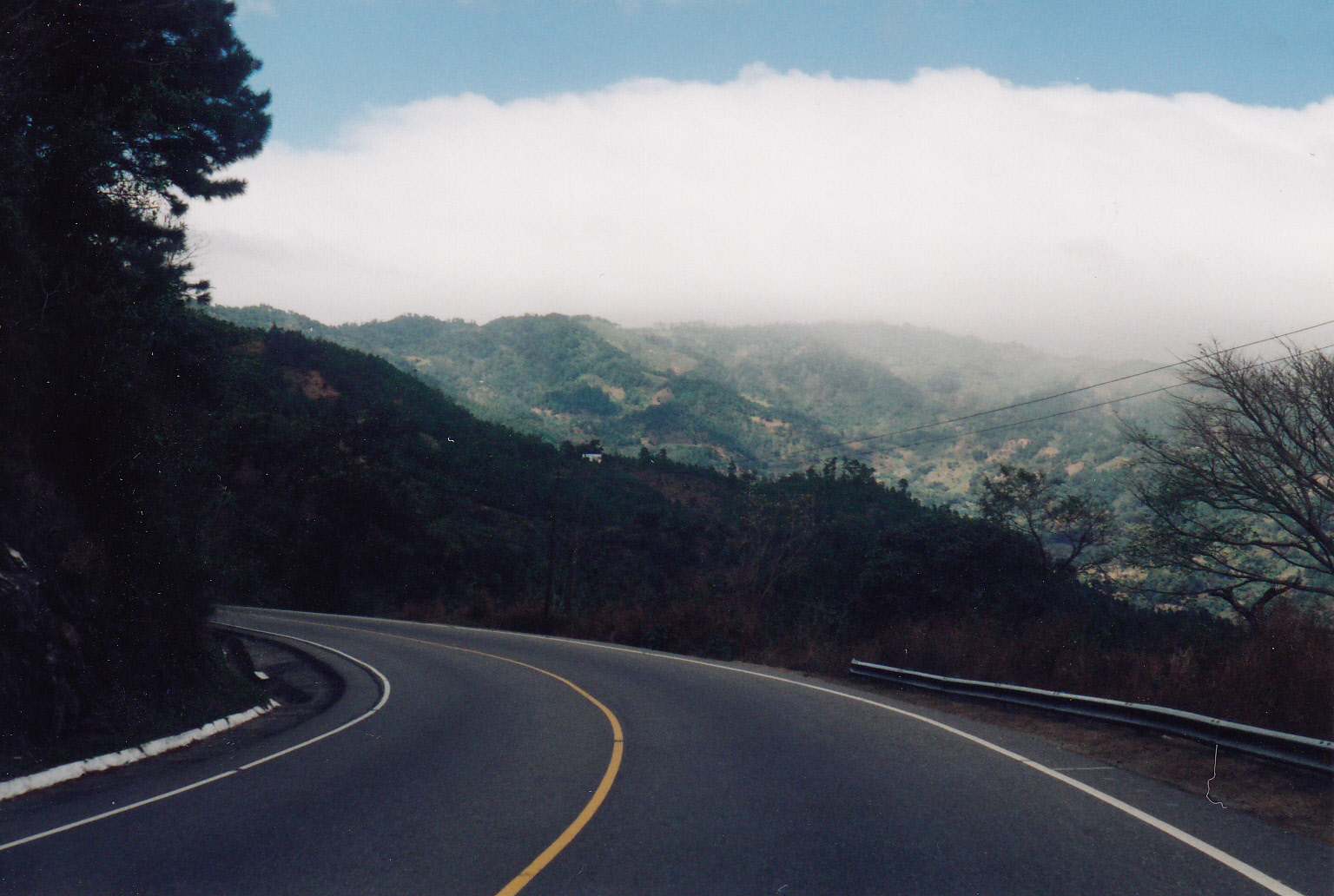
Guat_0002In our camper we followed a road into a cloud forest.  The paved road disappeared after about twenty miles.  In its place was a narrow, bumpy, one lane road.  Eventually, hidden in the highlands, we located a place someone at Finca Ixobel had told us about.  Gruta de Lanquin is an extensive limestone cave.  Beneath it, the Rio Lanquin comes rushing out beneath the cave in a burst of whitewater.

Unlike the national park caves in the United States, this one provided no escorts for  explorers; it was strictly “enter at your own risk.”  Inside the cave, lights for the first half mile illuminated paths, steps, and metal or wood catwalks.  Signs gave descriptive names of the formations: The Eagle, The Monkey, The Tower, The Sheep, The Femur, and The Cobra.  Cave walls were mucky and slimy.  It was impossible to climb without holding onto the limestone – a spelunking purist would have been shocked.  The air inside the cave was substantially warmer than the air outside, and stuffy.  It felt like all available oxygen had been used by the ten or so people who had signed the register earlier that day.

When it got dark, we parked by the river to camp for the night.  The current was very strong, the water cold and none too clean.  A seven year old boy came up to speak Spanish with us.  Brian thought he was telling us how some people camped there and got choked or robbed.  Then he asked us if we had a gun.  Once the kid left with his uncle, we both felt very nervous.

We climbed back into the camper and locked the door.  Before long we heard another vehicle approaching.  Overcoming our quaking fear of being alone in the Guatemalan wilderness without a gun, we peeked out the door.  Much to our relief, the vehicle was a VW bus with California plates.  Whew!

The people, Mark and Nancy, were newlyweds who worked in the medical profession.   Their two big dogs were friendly, but we definitely felt better with a couple of canine alarm dogs nearby.  They invited us to come sit in their van for a couple hours, to talk and drink herbal tea.  Back in my own camper later, I slept soundly that moonless night.  And of course, no banditos ever came anywhere near our riverside camp spot.

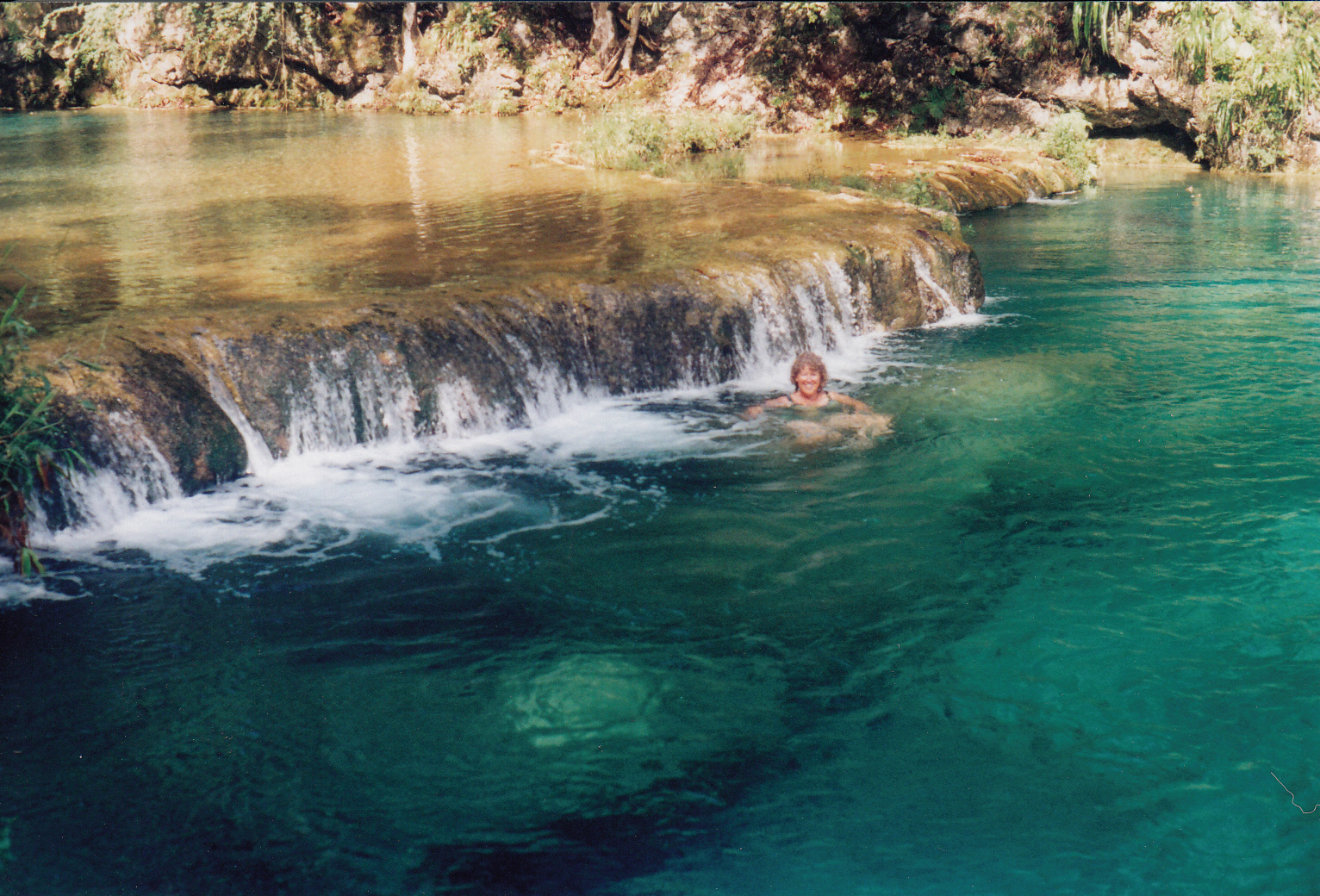
The next day we drove another eight miles farther on a road so steep and narrow that we had toGuat_0003 use the 4wd low gear for the first time.  It took 45 minutes to reach Semuc Champey, an utter paradise of a place where the thundering Rio Cahabón passes underneath a limestone terrace.  On top were several large turquoise pools, reminiscent of Havasupai, begging to be swum in.  Gentle waterfalls tinkled and fish swam fearlessly around my feet.

We left before noon and got back on the bad road to Cobán.  There we ran into supreme difficulties trying to get more money.  None of the ATMs worked, due to the collapse of most of the Guatemalan banks three weeks earlier.  Apparently the post-civil war economy was still in shambles.  The problem (as we understood it with our kindergarten-level Spanish) was that the country had ordered all new bills to be printed in France, then taken the old currency out of circulation.  But something went wrong with delivery of the new bills to Guatemala.  So, there was no money to be had.

Belatedly, I wished I had followed Brian’s suggestion to take some travelers cheques on the trip.  At the time, I had prevailed in that argument: “No one uses those anymore!”  Of course, in Cobán, he could not resist saying “I told you so.”  But that didn’t help us get quetzales.  Eventually I had to run a charge against my Visa card to get some cash, a most expensive undertaking.  I looked daggers at Brian when he opened his mouth to gloat; he took the better part of valor and said nothing further.

Camp that night was a visually peaceful but noisy little place called “Holanda” that offered a restaurant, pool, lake, and cabins.  Right next door was the source of the noise: a farm yard with chickens clucking, cows mooing, white geese honking, and a dog barking late into the night.Guat_0004

We tried a “short cut” to get down out of the mountains, which turned out to be a, shall we say, scenic route.  After Salamá, the road narrowed to one lane, the outside lane having literally fallen off the cliff.  At Rabinál we walked through the market and purchased some tomatoes, avocado, peanuts and oranges.  The road out of there was marked as all-weather gravel on the 25 year old map I had.  Naively I thought it must be paved by now.  But no!  I hadn’t factored in the effects of 35 years of civil war on the country’s infrastructure.  The track we had chosen ran for 50 miles, all of it narrow, bumpy, and steep.

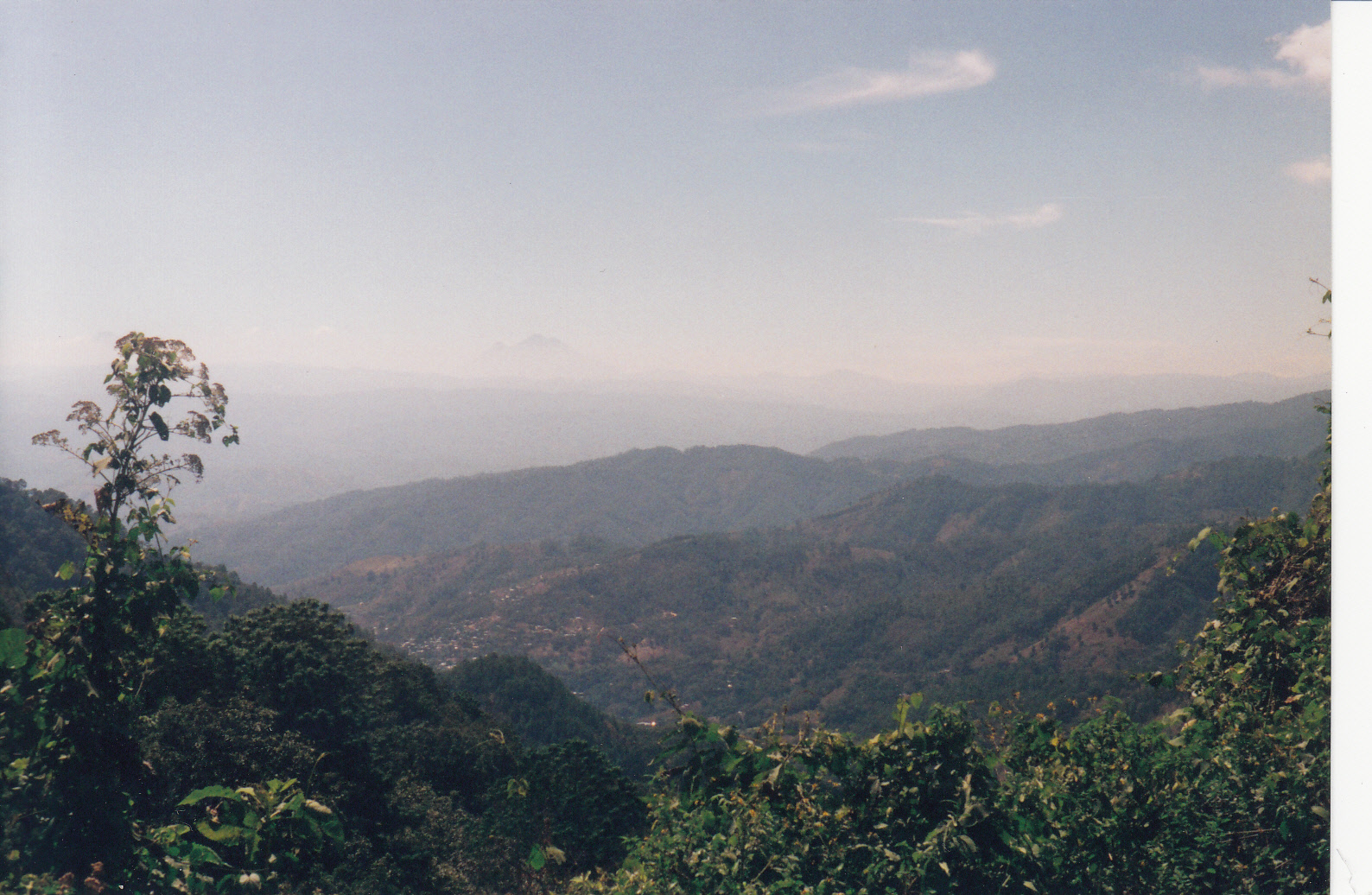
The route went over the top of the Sierra de Chuacus, nearly 7000 feet in elevation.  Just past the summit, a little stream tumbled down an almost vertical hillside.  Pine and tropical deciduous trees vied for space on the steep slope.  We headed downhill through several small villages, populated by very traditional-looking women wearing colorful embroidered blouses and ankle-length skirts, their long black hair in pony tails.  We crossed the Rio Motagua, then around a hairpin curve we suddenly were deposited – boom! – into 21st century San Juan, just 15 miles from Guatemala City.

Talk about culture shock!  From one-lane dirt roads to eight lane chaos.  Busses belched black exhaust, traffic crawled along at a snail’s pace, everyone honked and cut in front of each other.  Brian exhibited a mastery of driving skills to negotiate through Guatemala’s largest city.  At last I spied a directional sign and yelled for him to turn right.  And like magic, we were swept out of the city and on to touristy Antigua, leaving the wild highlands behind.

Canoeing The Kenai

© 1995 by Kathleen Kemsley, first published in Alaska Outdoors Magazine 

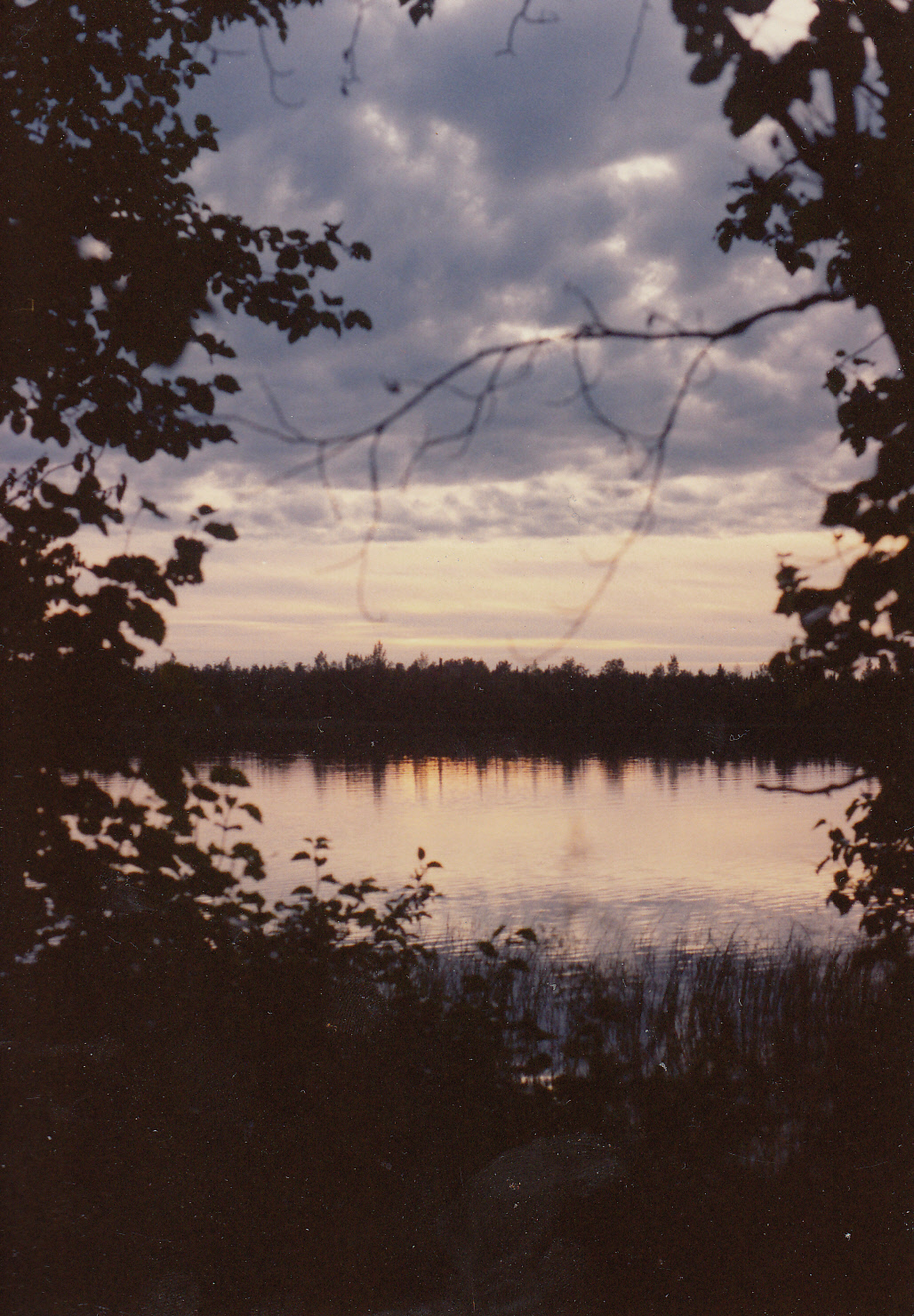
At ten o’clock in the evening, the sky is bright with sunset streaks of orange and pink.  Gavia Lake is flat calm, and no breeze ripples the leaves of mature birch trees crowding the lake’s shore. Canoe_Kenai_0007

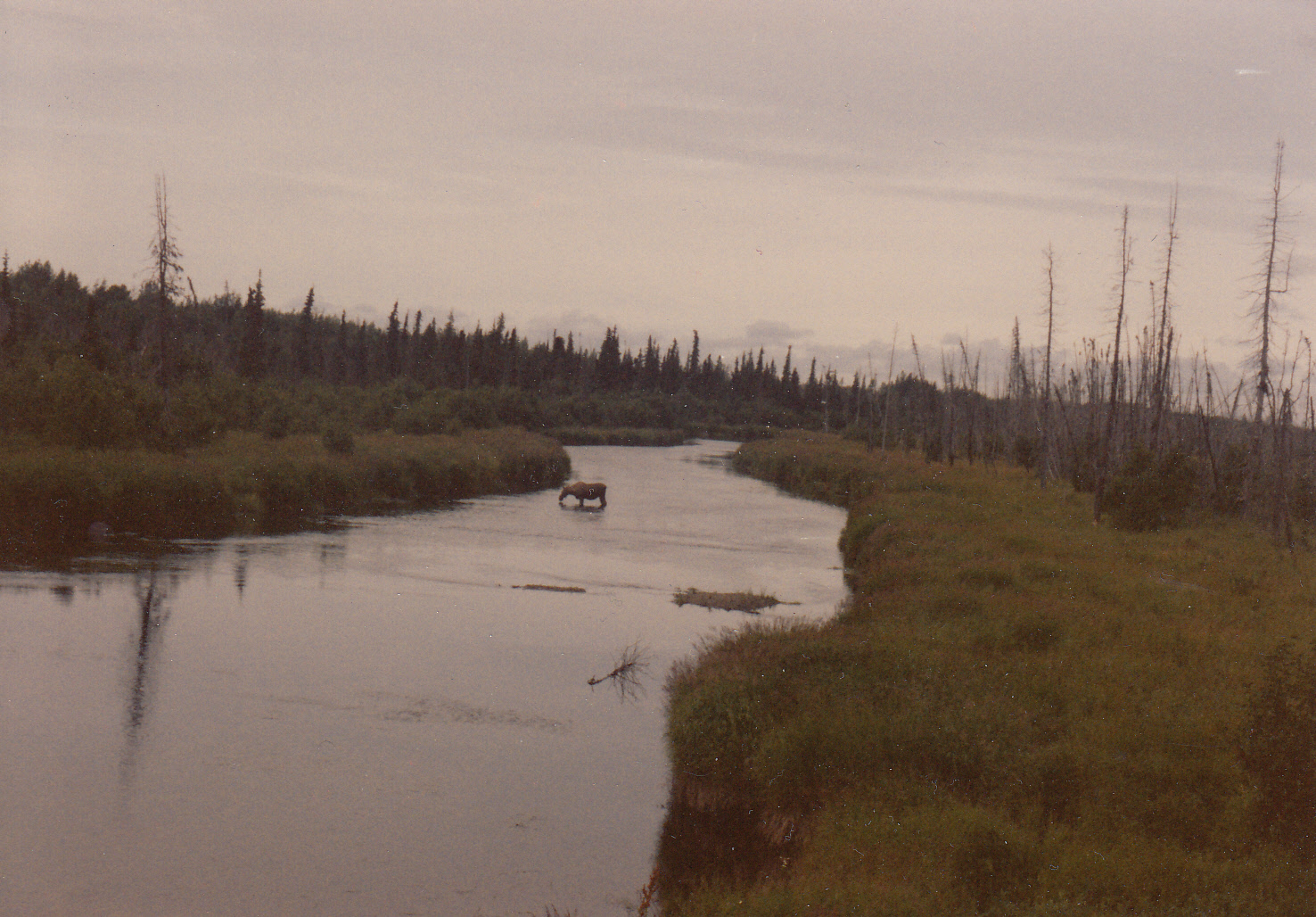
But the placid wilderness scene is far from quiet.  Two loons call to each other across the water, their haunting voices recalling the ancient music of prehistoric times.  Rainbow trout rise, breaking the surface of the lake to leap for insect meals.  On the far side of the water, a young moose emerges from a spruce grove to venture into knee-deep water, in search of succulent plants growing on the lake bottom.

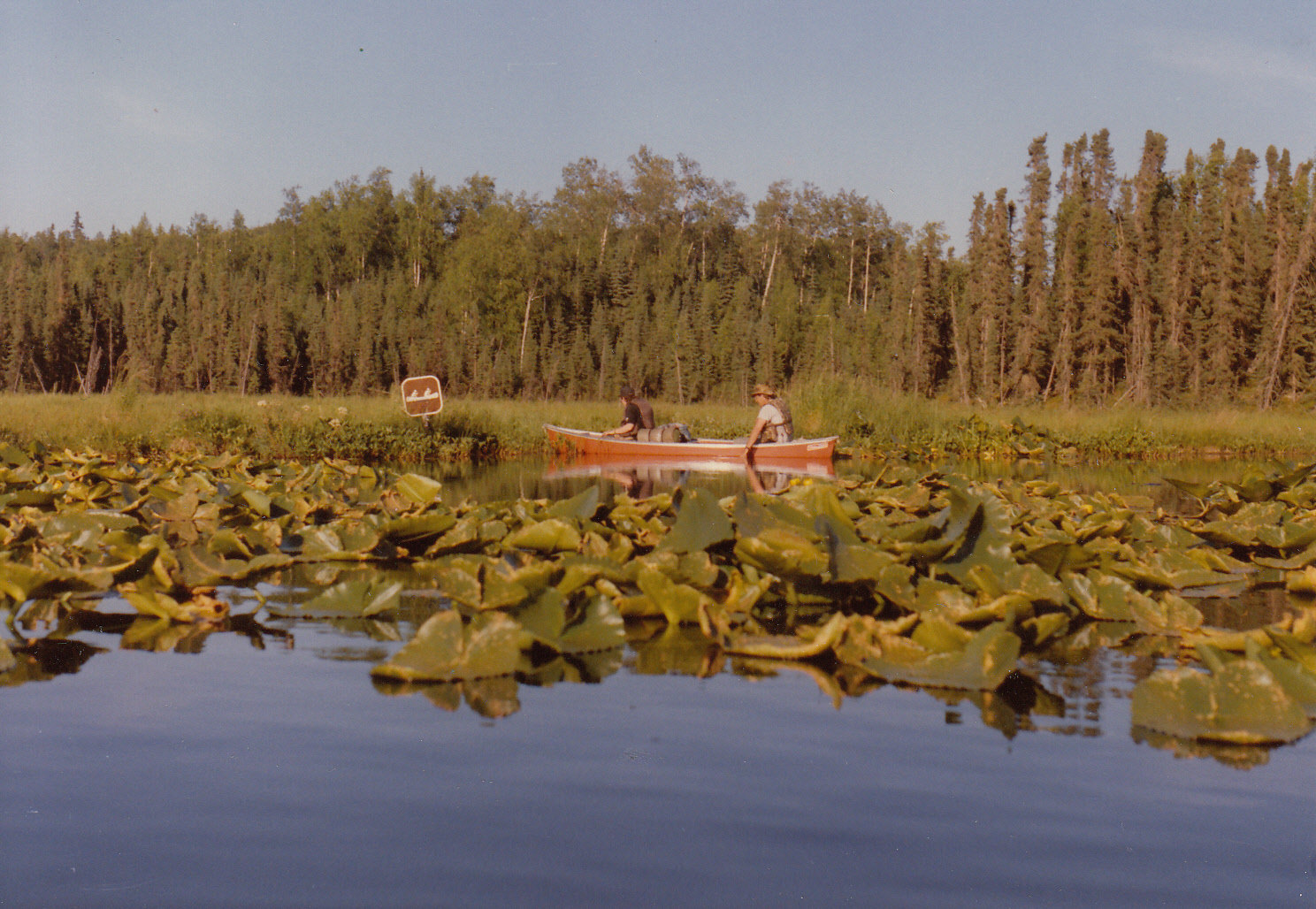
Teeming with wildlife and promising a unique wilderness experience, the Kenai National Wildlife Refuge canoe systems are a recreational paddler’s paradise located just a short drive from civilization.  Very little specialized equipment is needed for an excursion into the region: a canoe and a sense of adventure are the minimum requirements.

Both of the refuge canoe systems are located in the flatlands north of Sterling.  Swan Lake system, a series of 30 lakes connected by waterways and short portages, is the more popular of the two canoe trails.  The remote Swanson River canoe route consists of better than 40 lakes, and contains a killer portage one mile in length.  The reward for choosing that course is an array of first-rate campsites on the shores of pristine lakes, deep in the Kenai backcountry.

The two canoe systems were designated as wilderness areas in 1980.  At the same time, both Canoe_Kenai_0002routes were granted status as National Recreational Trails.  Management by the Fish and Wildlife Service is aimed toward providing recreational users with an opportunity to observe the Kenai Peninsula’s wildlife species in their native environment.

A trip to one of the canoe systems can be as short as one afternoon, or as long as a week.  Campsites located on the lake shores include established fire pits and excellent places to pitch a tent.  Registration is mandatory at canoe system entrances if a group plans to stay overnight.

Equipment to take along on a canoe trip is minimal.  Food, a portable cooking stove, rain gear, and extra clothes are the basic supplies.  Refuge regulations require a life jacket be carried for each participant, and an extra paddle should be carried.

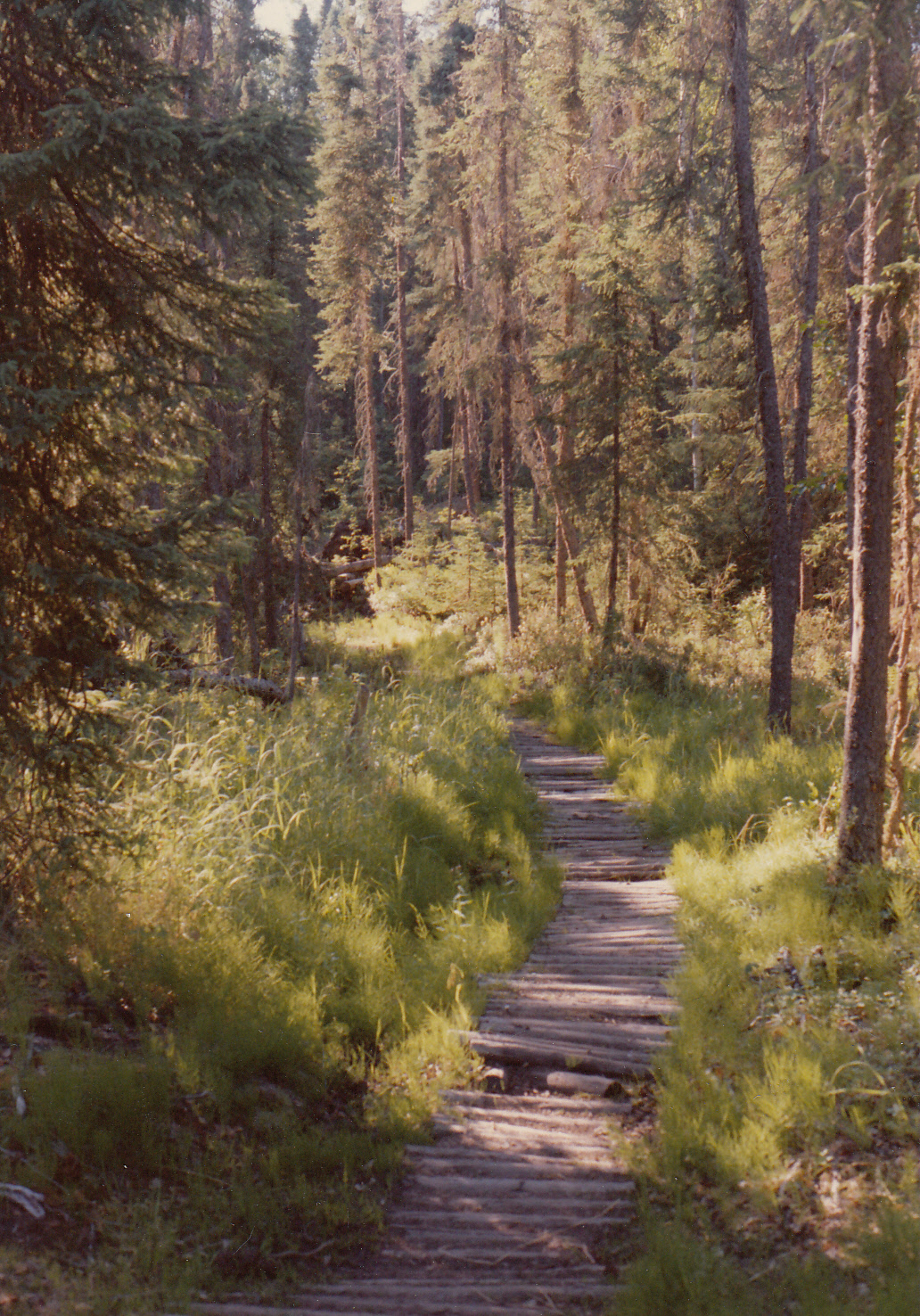
Waterproof footwear is essential.  Tennis shoes or hiking boots are useless on lake shores andCanoe_Kenai_0001 soggy portages.  Although the land routes connecting the lakes are maintained by a trail crew, they tend to turn to mucky bogs after a rain.  Rubber knee boots, or better, hip boots, are the only foot gear to wear on the trail.  Be sure the boots fit well, as they will be worn for long periods of time, and blisters can render even the shortest portage distressingly painful.

Another indispensable item to carry during a trip into the lakes is insect repellent.  Mosquitoes are thickest in June, but they linger until autumn leaves turn yellow.

If the proximity of bugs is irritating, try to keep in mind that they provide food for a large population of rainbow trout in the lakes, which suggests another vital piece of equipment to carry: a lightweight fishing rod.  A fishing license is necessary for both residents and nonresidents above age 16.

More than 30 species of wildlife reside within the two canoe systems.  Moose are common alongCanoe_Kenai_0006 shores.  Paddle close to islands, too, in early June, to see moose with baby calves.  Seeking refuge from black bears, moose stay on islands until their young are strong enough to move to the mainland.  Don’t approach moose too closely.  They’re protective of their young and can be dangerous when they feel threatened.

Black bears are fairly widespread in the northern lakes region.  Precautions should be taken to avoid an unwelcome guest in a campsite.  Hang food from a tree some distance from your tent, wash all dinner dishes thoroughly, and bury scraps of food.  If a bear is spotted, canoeists should make noise to let their presence be known.  If necessary, an escape can be made via canoe onto a lake.  Bears belong in the backcountry, as do moose and eagles; these animals must be treated with respect.

Other wild animals living in the canoe systems include mink, otter, beaver, and muskrat.  Beaver dams, common on the lakes, assist in maintaining lake water levels.  The presence of beaver indicates that lake water should be boiled or treated before drinking.  Giardia, or Beaver Fever, can make life miserable for weeks if infected water is consumed.

Canoe_Kenai_0004Bird life around the lakes is varied and fascinating.  Almost every lake supports a pair of nesting loons.  The young hatch in early summer.  For several weeks, chicks can be seen riding on their parents’ backs before they learn how to dive and swim.  Curious about people, loons will sometimes swim quite near a canoe to get a closer look.

Several pairs of trumpeter swans nest on the canoe trail lakes.  These uncommon white birds move with a grace and beauty that’s a delight to watch.  Bring along a pair of binoculars to observe nesting birds and wildlife without disrupting their domain.

Summer weather on the northern lakes can best be described as variable.  Sunny, windless daysCanoe_Kenai_0003 feel downright hot.  More frequently, days are mild and cloudy, with temperatures in the 50 to 70 degree range.  Nights can be cool, sometimes dipping into the upper 30s.

No description of the canoe system would be complete without a mention of the possibility of rain.  Summer storms move in quickly, transforming a lake from mirror smooth to dangerously choppy within just a few minutes.  If the wind picks up, or clouds approach from the southwest, boaters should stay close to shore and prepare to camp nearby.

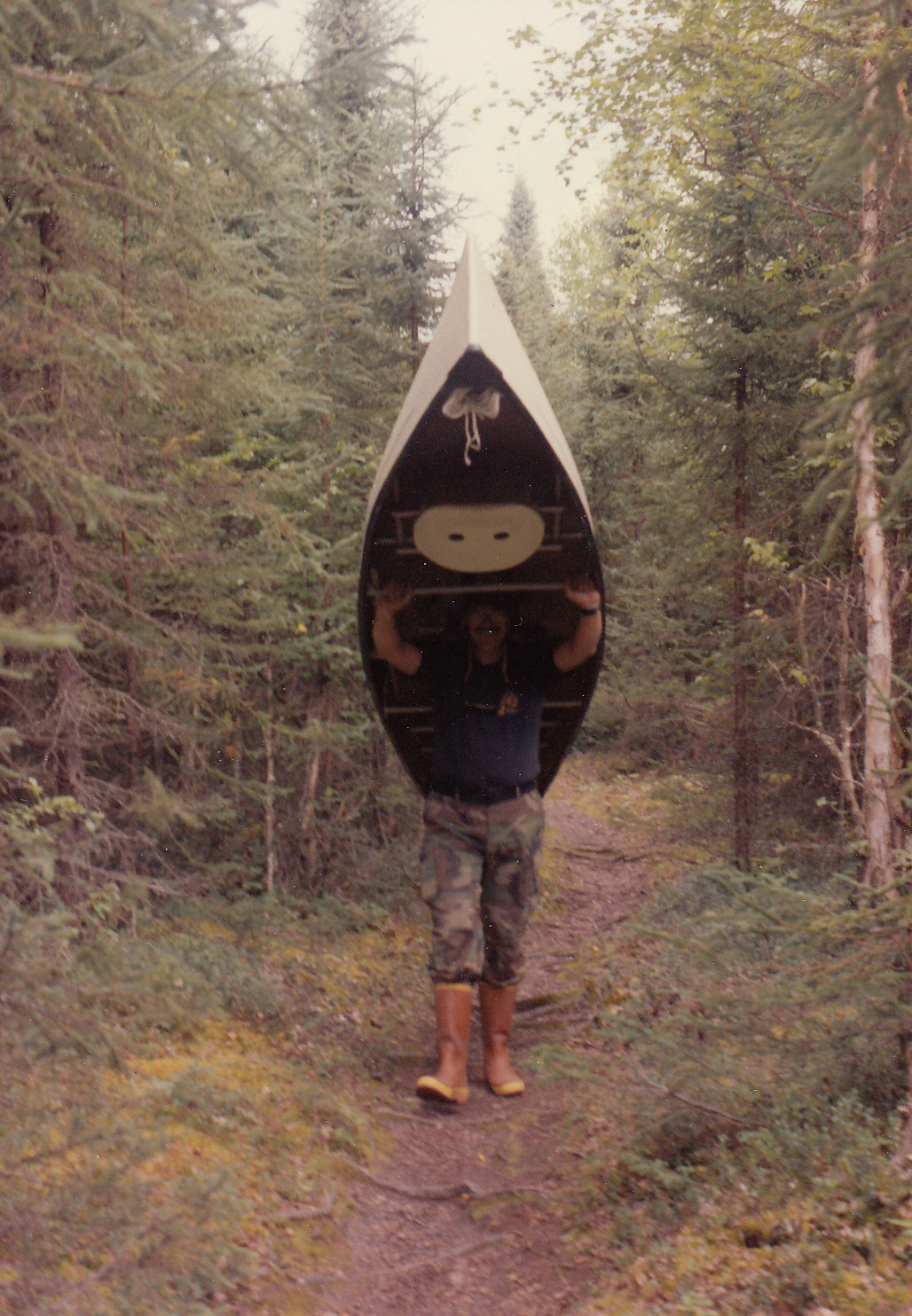
On the positive side, an inverted canoe makes a great shelter from the rain!   An awkward form of transportation, portaging is an unpleasant surprise to the uninitiated.  The canoe, fitted with pads on the middle strut, is balanced upside down on the shoulders.  Most of the portages are Canoe_Kenai_0005short enough that the carry of the canoe is not too difficult.  Canoe rests have been built for the longer portages; the wooden pole structures are a godsend to any weary portager who has just carried a 60 pound canoe to the top of a steep hill.
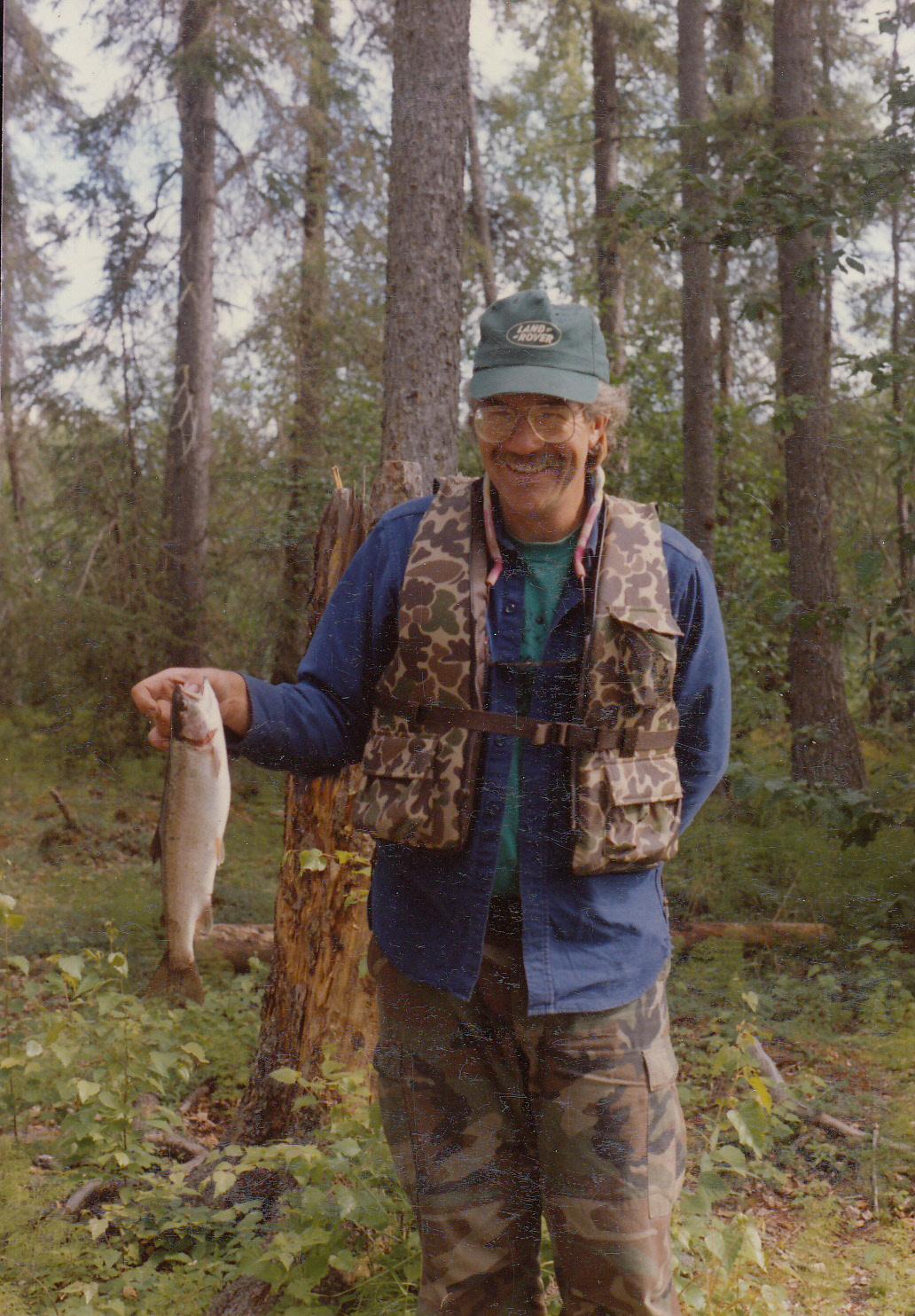
The northern portion of the Kenai Peninsula contains more than a thousand lakes spread across its unpopulated flatlands.  As designated wilderness areas, the lakes are accessible to entry only under the power of paddle and foot.  Traveling by canoe can be hard work, but the payoff is handsome.  The sound of a loon calling its mate, a moment of contact with the soft, brown eyes of a moose calf, or the chance sighting of a bald eagle in the nest are some of the rewards earned on a canoe trip in the refuge.  The rewards are worth every paddle stroke, every step through a boggy swamp portage, and every mosquito swat.