Gila-Las Cruces Zone 2013 Fire Summary

By Kathleen Kemsley, published by Gila National Forest, December 2013

The 2013 fire season in the Gila Las Cruces Zone started out with a lot of potential.  Snowpack was minimal and melted early in the third straight year of severe drought.  Lack of fine fuels keptSilver_0627 wind-driven starts from spreading rapidly.  Early season fires were suppressed quickly.  A handful of lightning-caused starts on the Gila National Forest on May 10 and 11 were all kept to less than five acres.  The largest early season fire was McKinney, on State and private lands, which burned 153 acres of grass and shrubs near Tyrone on May 21.  With assistance from the Gila contingent of smokejumpers and several loads of retardant, firefighters saved 10 nearby residences.

By June 1, indices across the zone exceeded the 97th percentile.  The next round of lightning began June 4, producing three fires, including the Sawmill Canyon fire on Quemado District.  This Type 3 fire burned 42 acres and utilized several local engines and crews.

Gila1On June 7, five more lightning fires ignited across the forest.  Papoose and Indian, close to each other on Wilderness District, both grew to about 80 acres before efforts of several crews, smokejumpers, engines, retardant and helicopter support succeeded in containing them.

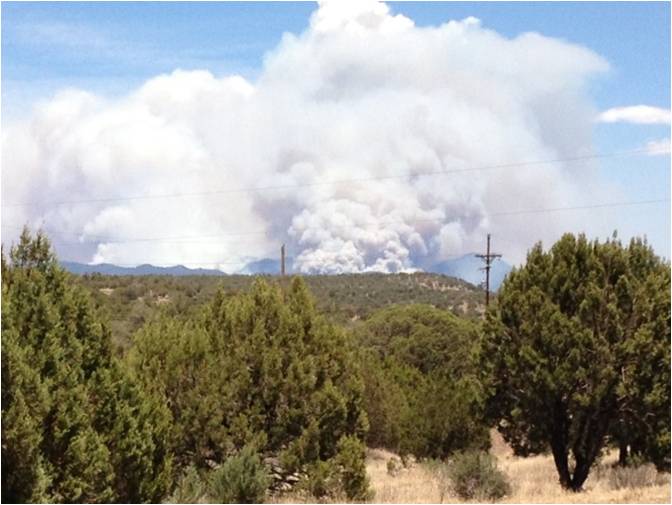
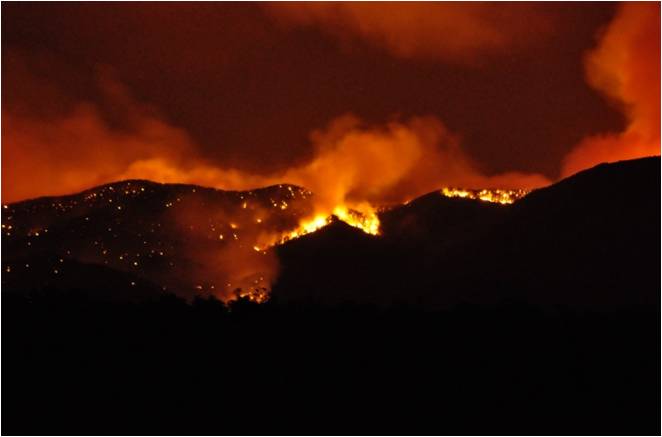
Meanwhile, the Silver fire was initial attacked the same day with two engines from Silver City District. The crews got a scratch line around the five acre fire by midnight on a moonless night.  Soon after that, some logs rolled out and ignited super-dry fuels on the steep slopes below.  The engine crews were forced to retreat for safety reasons.  The next day, 80,000 gallons of retardant were dropped on the growing fire.  The steep, rugged terrain prevented any crews from approaching the fire on the ground.  By the morning of June 9, the fire established itself in a bugkill-choked area of the forest that had not burned in more than 100 years.  Pushed by red flag level southwest winds, the fire took off and a Type 2 team was ordered.

The Silver fire was managed first by the Flagstaff Type 2 Team, then by the New Mexico Type 2Gila2 Team.  It burned over Emory Pass and threatened the community of Kingston.  The town was evacuated for ten days, but efforts by hotshot crews, engines, and retardant kept the fire out of the town.  During the next month, the Silver fire jumped Highway 152, burned past the Hillsboro Lookout, and moved into the Aldo Leopold Wilderness. No structures were destroyed.

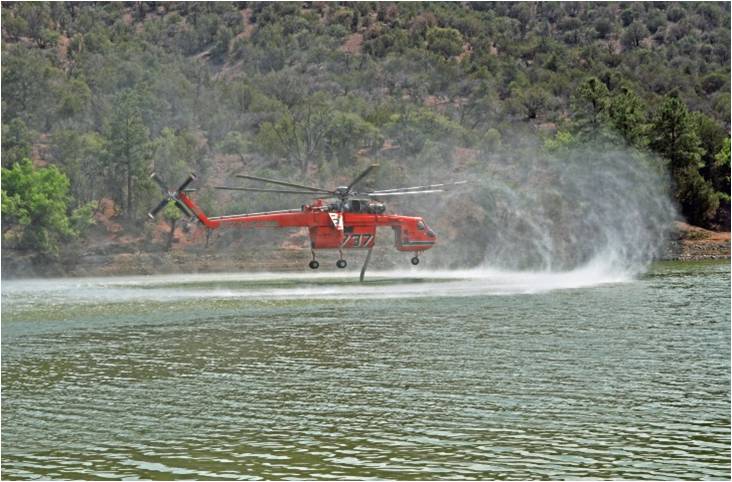
The summer monsoon arrived in early July to moderate the fire’s spread.  By the time it was Gila3called contained on July 18, it had burned a total of 138,546 acres on the Silver City, Black Range, and Wilderness districts.  Besides the two Incident Management Teams and miscellaneous overhead from 19 states, the fire suppression operations utilized 15 Type 1 crews, 18 Type 2 and T2IA crews, 27 engines, 2 dozers, and 7 helicopters.  Expanded Dispatch and a Buying Team set up in the Silver City Supervisor’s Office conference room and were operational for 5 weeks.  Silver City Dispatch was staffed 24/7 with aircraft and initial attack dispatchers detailed from California, Idaho, Oregon, Colorado, Arizona, and Montana.

As the monsoon season wore on, lightning strikes ignited some 80 new fires on the forest, BLM, and State lands in July and August.  Initial attack was successful on all these fires.  A large Burned Area Emergency Rehabilitation project was initiated to stabilize the slopes impacted by intense burning during the Silver fire.

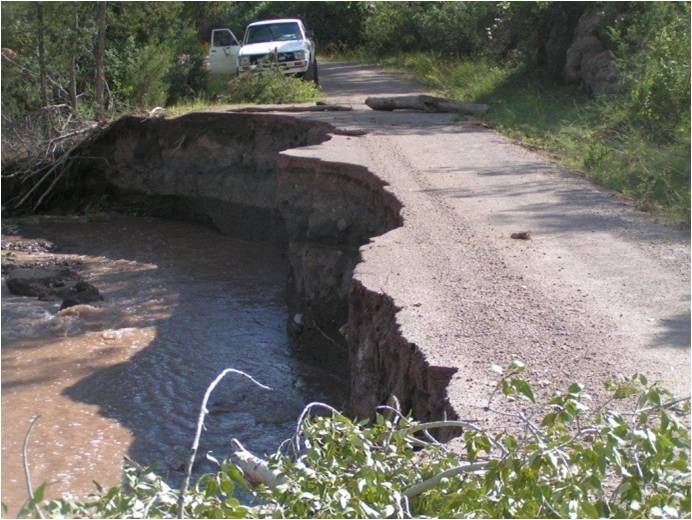
Summer rains turned into a deluge in September, causing fire-scorched drainages in both theGila4 Silver fire scar and the Whitewater-Baldy fire scar of 2012 to flood.  On September 15, Mogollon RAWS recorded 9.1 inches of rainfall.  Forest roads were damaged, creeks went over their banks, and state highways became clogged with debris.  Affected areas included the Emory Pass road, the Gila Cliff Dwellings, the village of Mogollon, the Catwalk, and the area around Snow Lake.  Several stranded hikers and hunters were rescued and one man was swept to his death in a flash flood.  Rehabilitation of forest roads will be an ongoing project over the winter.

In summary, the total number of fires in the Gila-Las Cruces zone in 2013 was 160, less than the five-year average of 276.  This was due to the small number of BLM and State fires this year (only 40 between them), compared to their usual 123 or so, as well as a smaller than average number of starts on the Forest.  Acres burned this year totaled 140K, very close to the average of 150K over the past five years.  Of the 140,101 acres burned in the zone in 2013, 138,546 belonged to the Silver fire.  Initial attack was 98% successful in the zone.

Petrified Forest National Park Off Season

© 2004 By Kathleen Kemsley, adapted from a sample chapter for a book proposal that never sold.

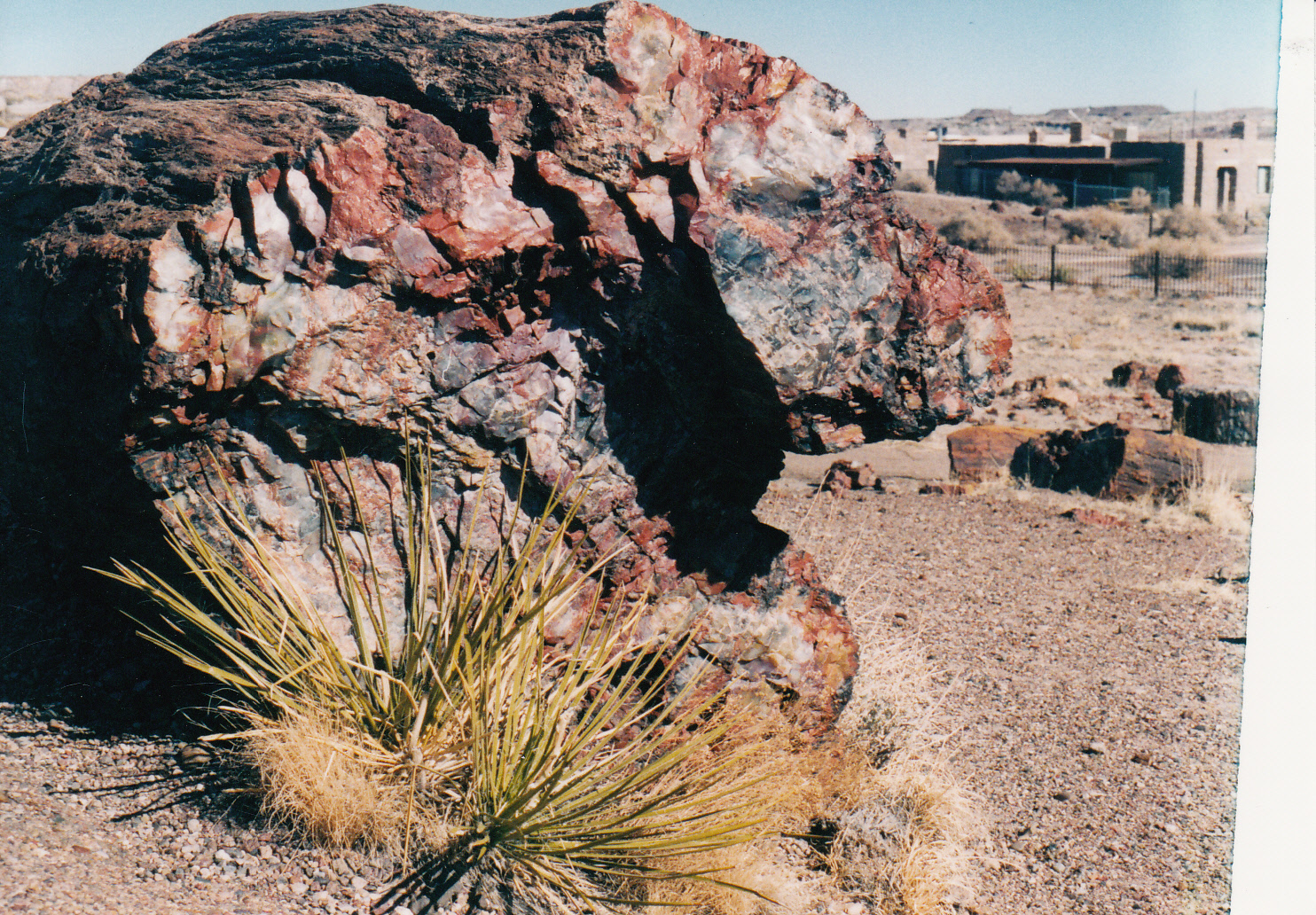
The colorful chunks of stone which give this national park its name began their life as tree trunks about 225 million years ago. The warm, humid climate of ancient northern Arizona supported a flourishing population of trees, giant ferns, horsetails, and animals such as dinosaurs, fish, crabs, snails, and clams.

Fossil remains of nearly 100 species of the Late Triassic period have been foundPefo1_0001 throughout the petrified forest. The most abundant fossilized material is the wood of huge trees, estimated to have reached a height of 200 feet. Most of the petrified wood littering the park’s Chinle formation belongs to a distant member of the Auracaria family. These pine-like trees grew in primeval forests at the headwaters of streams south of the present-day park. Streams carried them to their present location, then buried them in sediment. Subsequent erosion of the landscape by water and wind eventually revealed wood chunks that had turned to stone.

It’s difficult to picture the tropical lowlands of yore in the high altitude desert starkness of present-day Petrified Forest. After traveling all day, we faced the camper into a stiff wind at Lyman Lake State Park, only a few miles east of Petrified Forest. Low clouds threatened, and by dark the sideways snowfall began. All night the wind shook our vehicle. We played Yahtzee hunched close to the little electric heater, grateful for the miracle of campground plug-ins. In the early morning light, I looked outside at a world pained white. A skein of ice topped the puddles and lake edges. An inch of snow had fallen.

The weak January sun rose bravely. I left footprints in the snow all around thePefo5 campground loops and made sandwiches. “If you don’t like the weather, wait five minutes,” residents of the Southwest are fond of saying. In this case it was more like two hours, but by mid-morning we made our way from the campground to the highway. Passing vehicles had reduced snow on the highway to wet slush, so the route into the park was easy going.

When we reached Rainbow Forest Museum late in the morning, a whopping twelve people had signed the day’s guest register before us. Three of them wandered around in the museum. Two more walked on the Giant Logs trail. The other seven, who knows? Perhaps they beat feet to Yuma.

Pefo1_0004The temperature climbed to 34 degrees as we drove north under a severe clear sky as blue as lapis. Each pullout and each trail we had to ourselves. At Lacey Point, a red tailed hawk coasted noiselessly above us, searching for movement on the pain that might equal a meal. A pair of antelopes grazed the sparse grasses. The low angle of the sun cast long shadows into the arroyos, preserving snow wherever the rays of sun could not reach. Snow patches exposed to sun dissolved silently, absorbed into the desert soil like a sponge. A lone raven perched near us in an otherwise empty parking lot and cawed his displeasure that we weren’t leaving any morsels for him.

Petrified Forest receives over half a million visitors per year, most during the summer months. Summer temperatures often exceed 90 degrees and since the park is essentially desert, there is little shade. Private vehicles compete with tour busses and RV’s on the park’s narrow road. A long line awaits a thirsty visitor at the drinking fountain.

The change of seasons restores peace to Petrified Forest. The park is open every day except Christmas, but in the off-season the number of people driving through shrinks to a tiny trickle. Parking areas for the roadside attractions seem impossibly immense to a winter visitor. Trails are deserted, or nearly so. An off-season walker need not even depart from the paved pathway in order to spend a few minutes in solitary meditation beside one of the massive petrified logs.

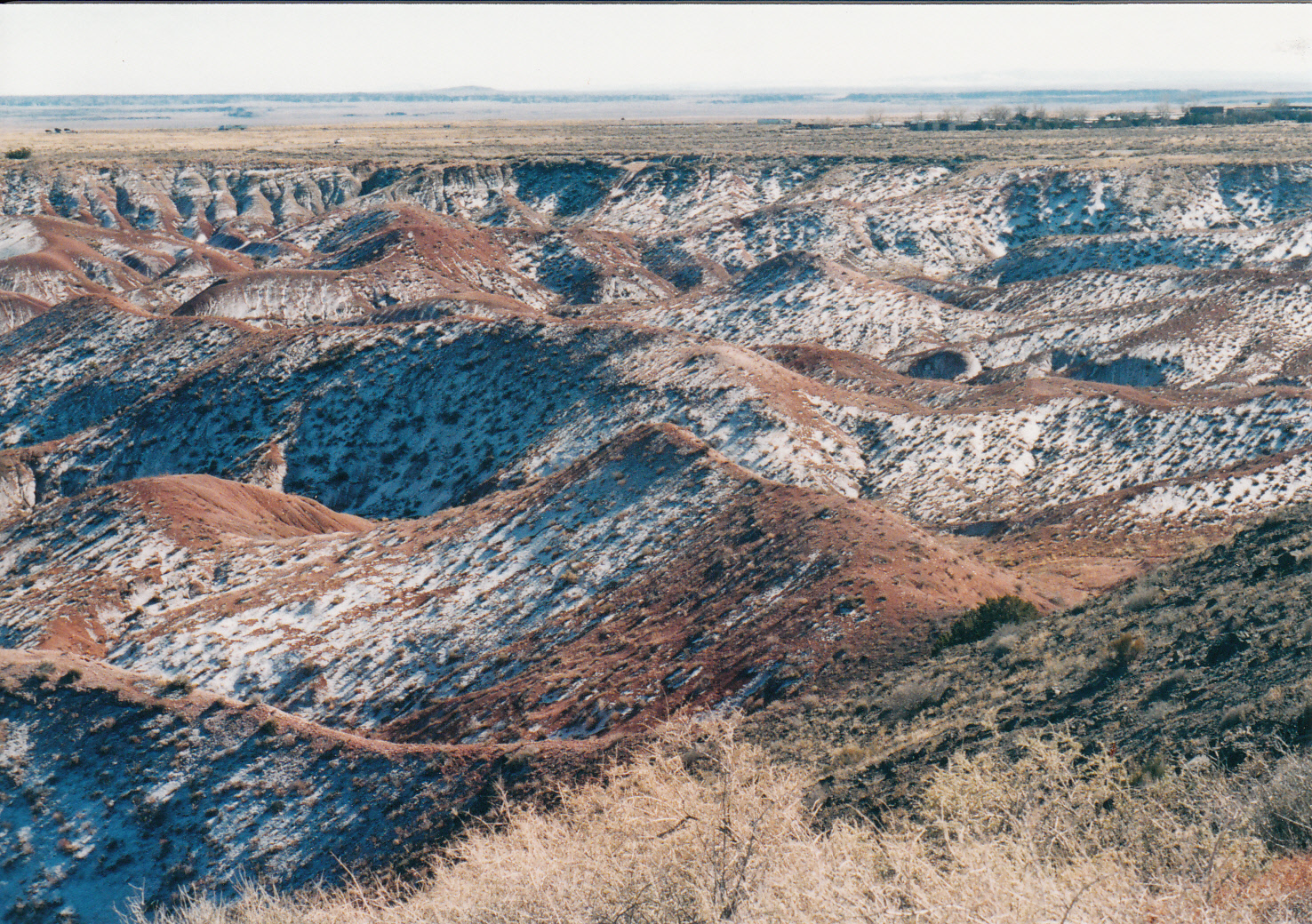
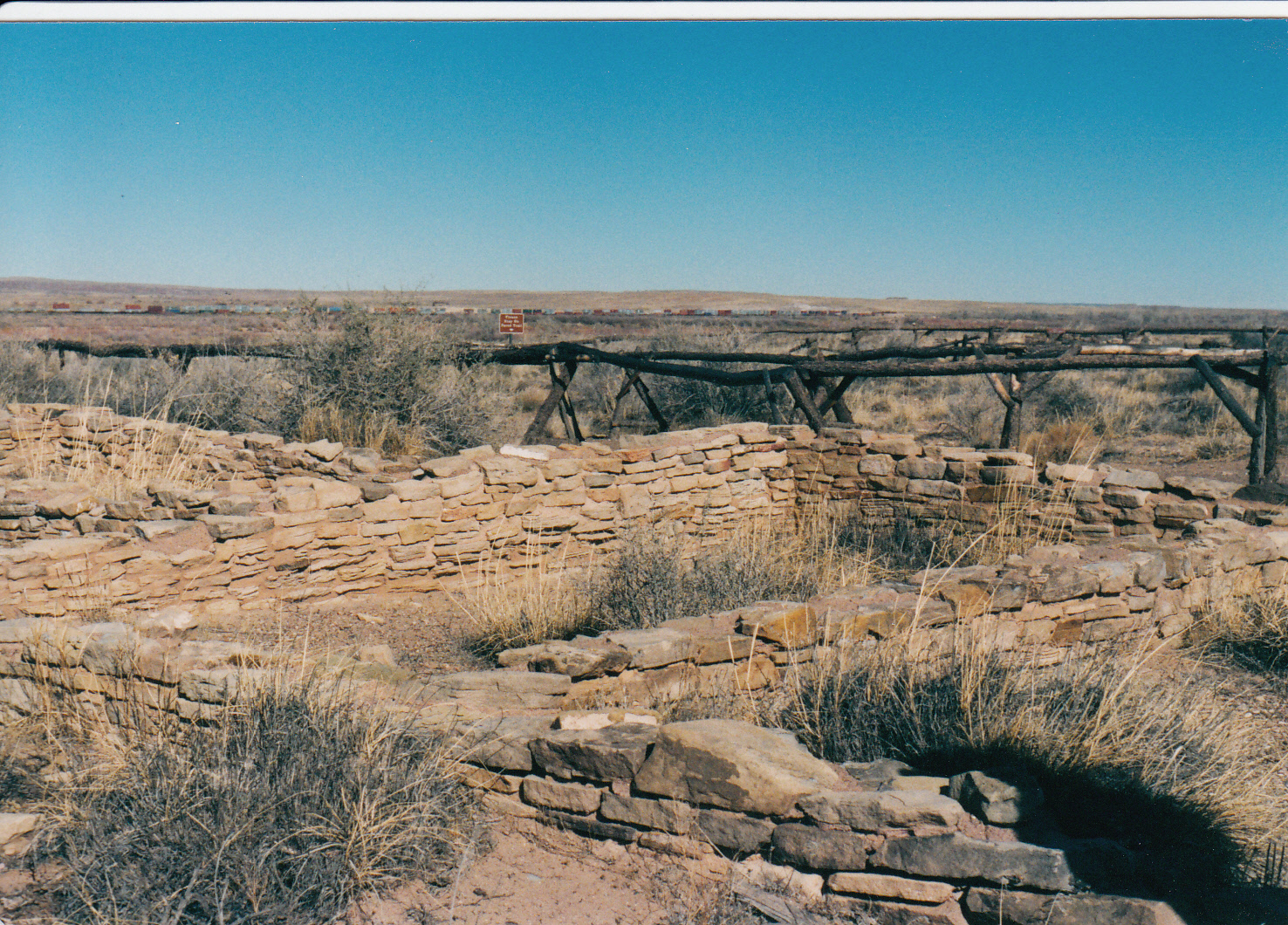
Though Petrified Forest is most well-known for its fossils and its sublime views ofPefo1_0002 the Painted Desert, it’s also a protected haven for Indian ruins and petroglyphs. Park archeologists have completed inventory on over 500 archeological sites within the park boundaries. Some, like Puerco Pueblo and the Agate House, are dwelling sites which were occupied 700 to 1500 years ago. Pottery, tools, and other artifacts have been recovered from these sites, helping archeologists reconstruct details about the daily lives of the ancient park residents.

Pefo1_0003The ancient native people of the Little Colorado River region also left permanent, but cryptic, records of their occupation chiseled on flat slabs of sandstone. Petroglyphs in the park, some of which are visible from turnouts along the park road, include figures of humans and animals, as well as geometric patterns of unknown meaning.

Researchers in the field of archeo-astronomy have deduced that some petroglyphs were chiseled to mark important annual events such as solstice, equinox, and the start of the frost-free growing season. Shadows or sunlit images move across spiral petroglyphs and pierce the center to mark those dates. This phenomenon occurs elsewhere in the Southwest, but Petrified Forest National Park contains the largest known concentration of ancient spiral calendars carved into the rocks.

Rangers do not lead hikes to the calendar sites on the winter solstice as they do in the summer. But if you ask ahead of time at the Visitor Center, you might be able to get directions to one of the sites on December 21.

Windswept and empty, Petrified Forest off season offers the visitor a chance to reflect upon the forces of time and nature which created the colorful hills, erosion-sculpted rocks, and silent fossils. It also provides a chance to walk off the paved roads, walk in the high desert, and discover secret messages captured in mysterious rock art figures. It’s well worth the couple-hours-long detour off Interstate 40 to take the long way round through Petrified Forest National Park, but be forewarned: you might end up wandering around there all day.

Up, Down and All Around New Mexico

© 2006 by Kathleen Kemsley, awarded first place in American Motorcyclist Association story contest and published on their website in January 2006.

Some people will use any excuse to go for a motorcycle ride.  Or at least, that’s what the American Motorcyclist Association (AMA) must think.  Why else would they propose a Grand Tour called “Up, Down and All Around,” taking you to all four corners of a state, along with hitting its highest and lowest points?  Talk about a waste of gas.  Talk about a pointless quest.  Talk about a lame pretext for a trip.

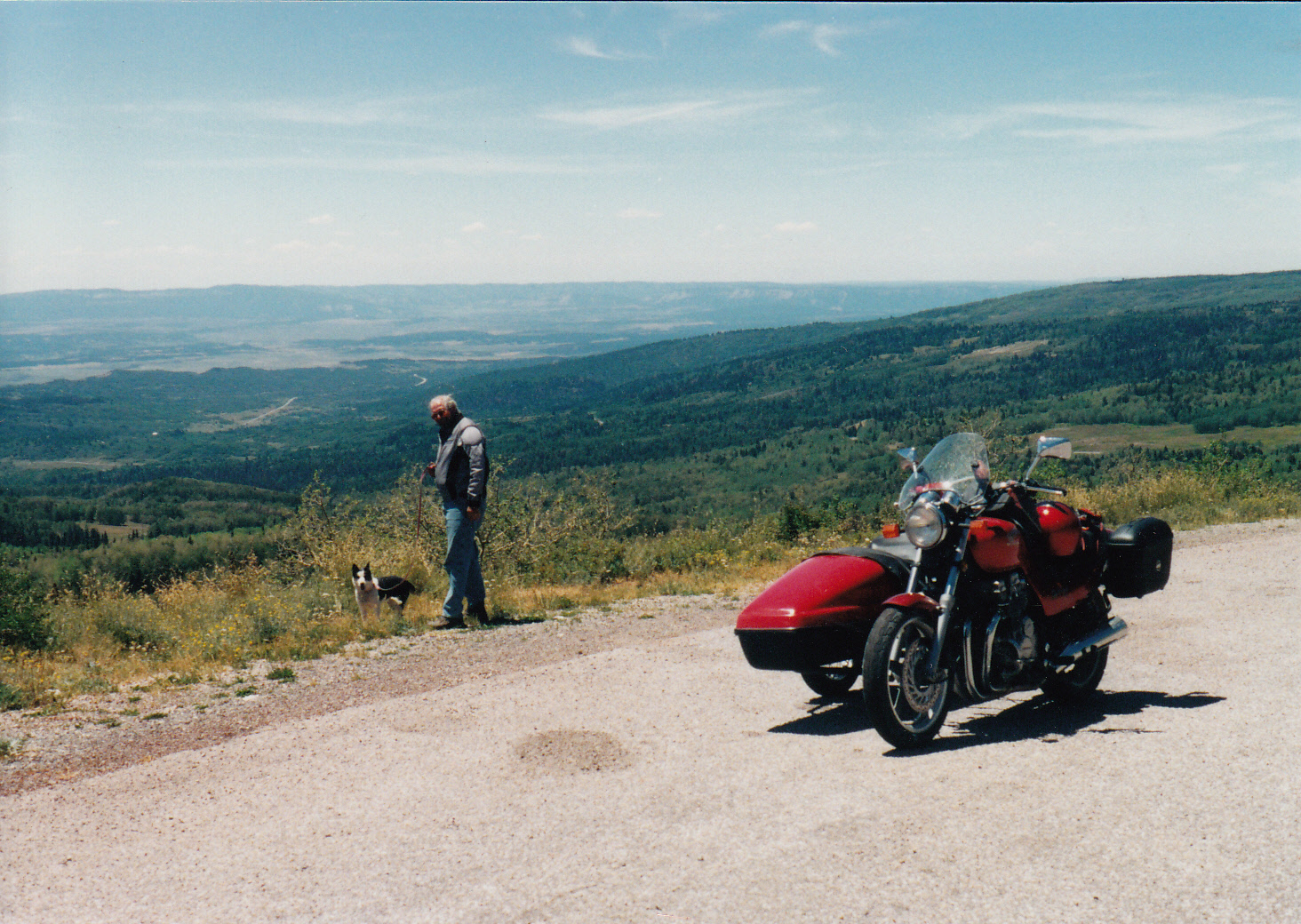
Well it may have been lame, but the idea of touching all four corners of our home up_down_allaround_0007state appealed to us.  For me, it would be a good opportunity to try out the new sidecar rig I had attached to my Honda Nighthawk.  For Dina the Dog, it would be new smells and new terrain to explore.  For my husband Brian, well, he doesn’t need any excuse to go riding.  He’s already on the rig and down the driveway before he asks where we are going.

We headed northwest first, taking a “shortcut” on a dirt road which bumped over 50 miles of washboard.  My windshield shook loose, the lock broke on one of my saddlebags, and Brian had to be pushed out of some deep sand.  Finally emerging onto the highway near the Very Large Array, we camped nearby and fortified ourselves with breakfast burritos and Pietown pie the next morning.

Then it was a hundred miles north on a road devoid of even one shade tree.  By the time we reached Shiprock, the state’s northwest corner, the temperature was 102 and I would have traded my front tire for a glass of ice water.

After a sweaty stop to snap a picture in front of the Shiprock Chapter House, we pointed the rigs east and headed for the mountains.  I followed Brian up the curves on the High Road to Taos, dividing my attention between breathtakingup_down_allaround_0001 vistas and drop-offs to the right, and the art of shifting my butt to the left as I negotiated the sidecar rig around yet another decreasing-radius turn.  Slowly but steadily I gained confidence in my ability to handle the rig.  Brian shot ahead of me, but he and Dina waited for me at an overlook with a couple of folks riding two-up on a Harley.  The aspen leaves shimmered green in the July sun, and the view went on forever.

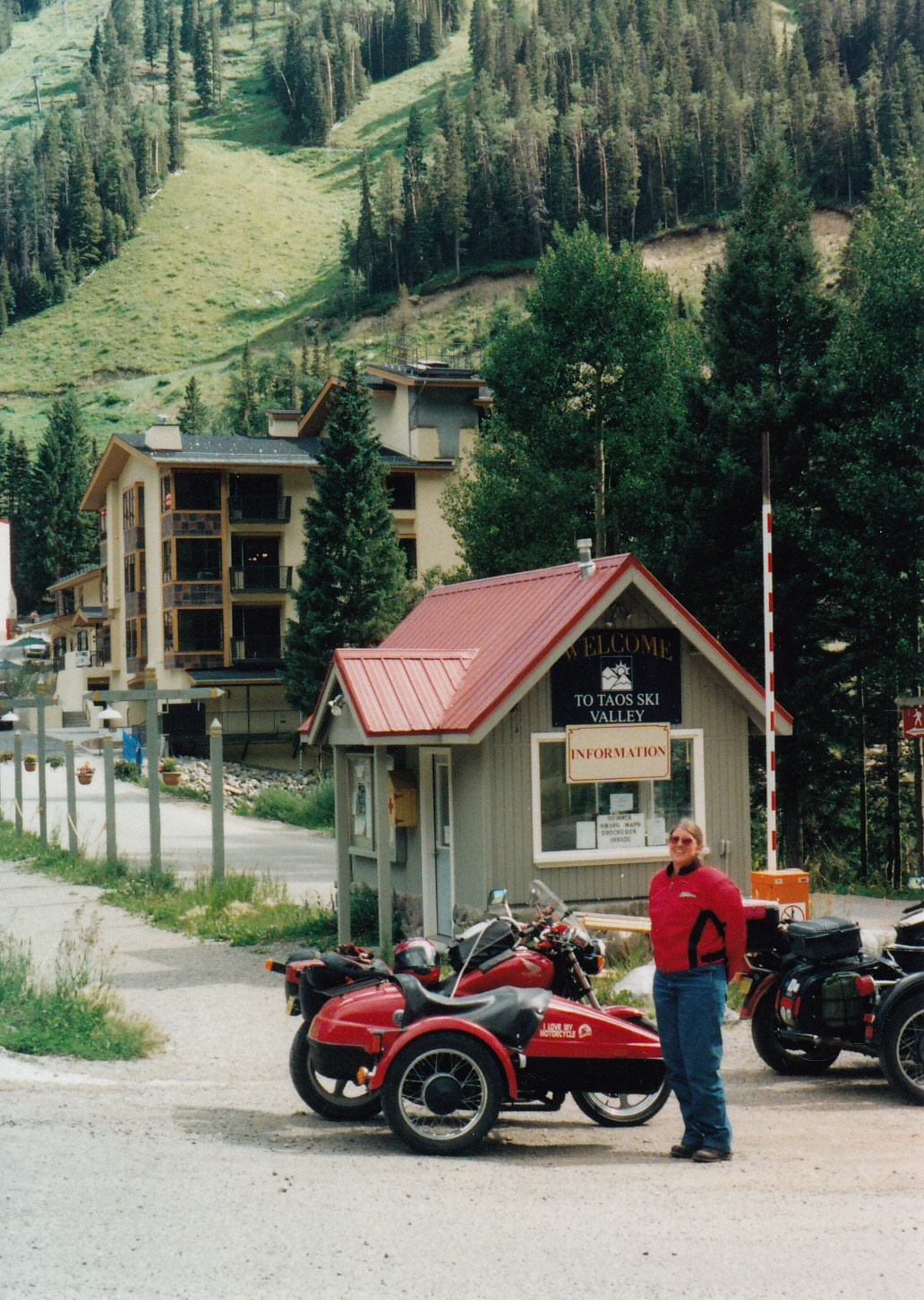
up_down_allaround_0003We rode up to Taos Ski Valley, a picturesque hamlet nestled on the slopes of the state’s highest point, Wheeler Peak.  Unfortunately, the road itself did not run very high up the mountain.  Shrugging, we took pictures of the ski runs and hoped that would be good enough for the AMA.  A brief afternoon rain shower cooled us on the way down the mountain, and Mexican food that night with my brother-in-law completed a satisfying stay in Taos.

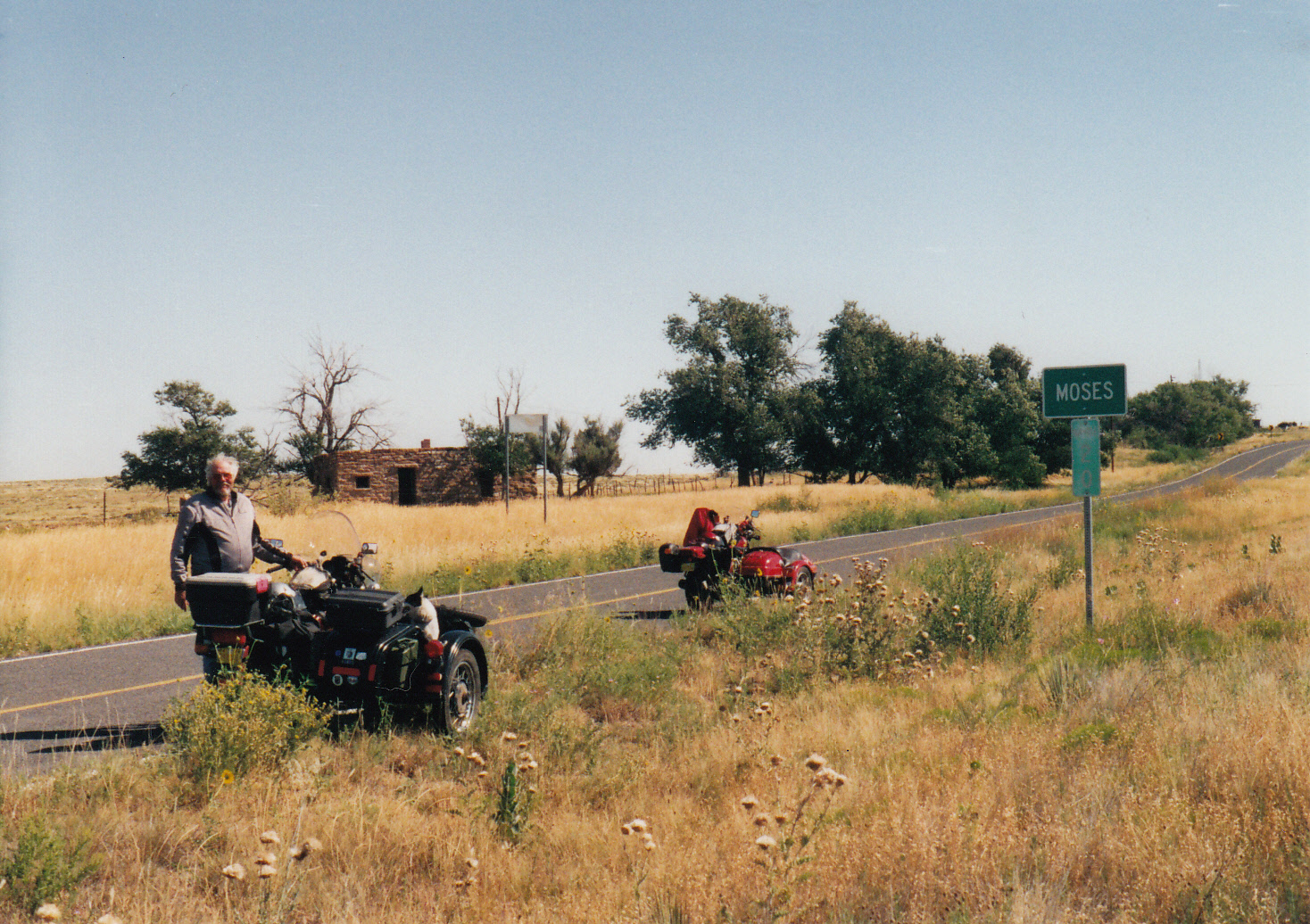
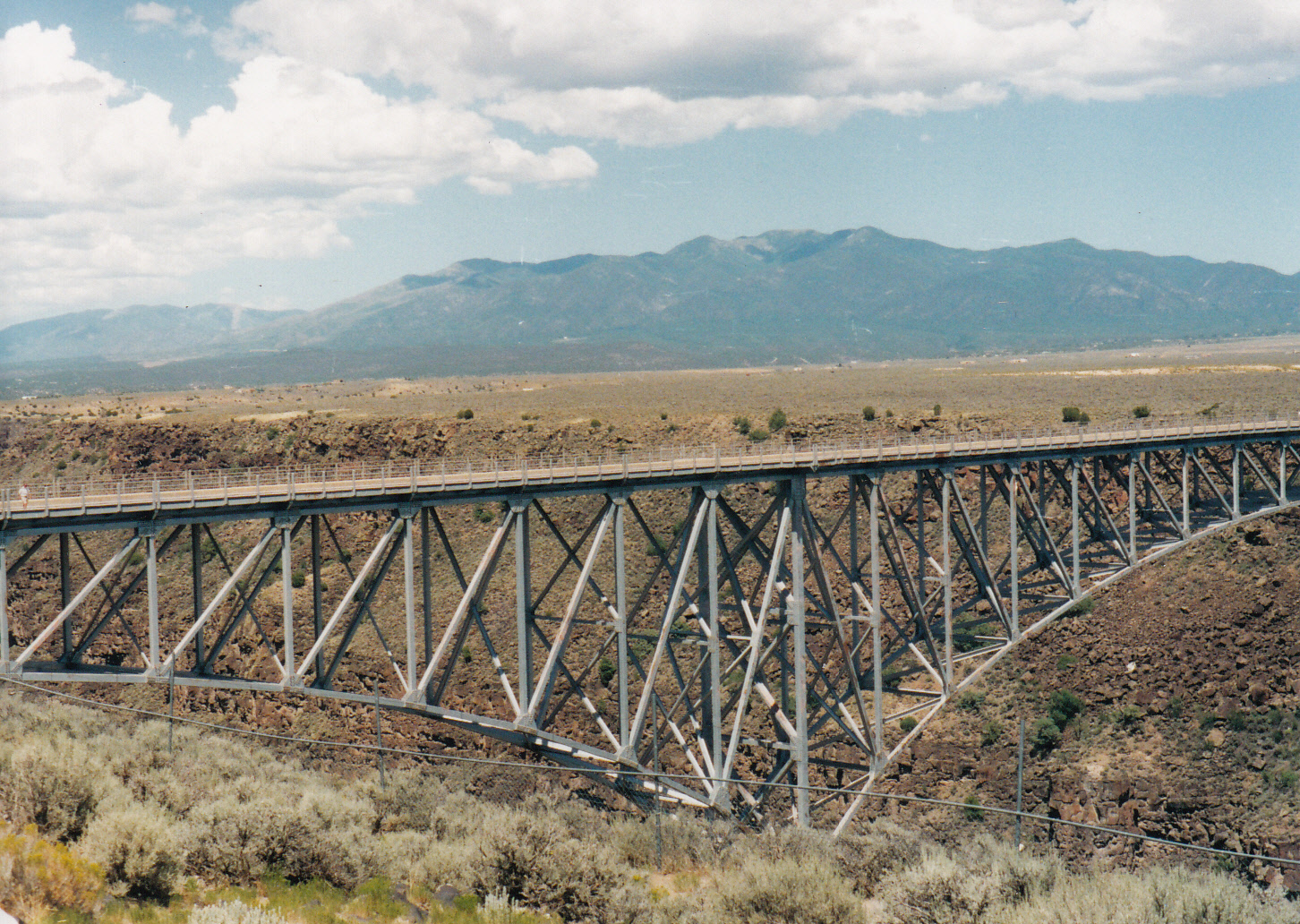
Touching the next corner of the state entailed riding part of the Enchanted Loop east of Taos, then heading out along a portion of the Santa Fe Trail into some empty country.  I think I saw more snakes on the road than I saw vehicles.  Moses, the northeastern most point in the state, was nothing more than anup_down_allaround_0004 abandoned farm – the road didn’t even widen on the approach.  We gathered photographic proof of our visit to Moses, then followed the Santa Fe Trail back toward home.

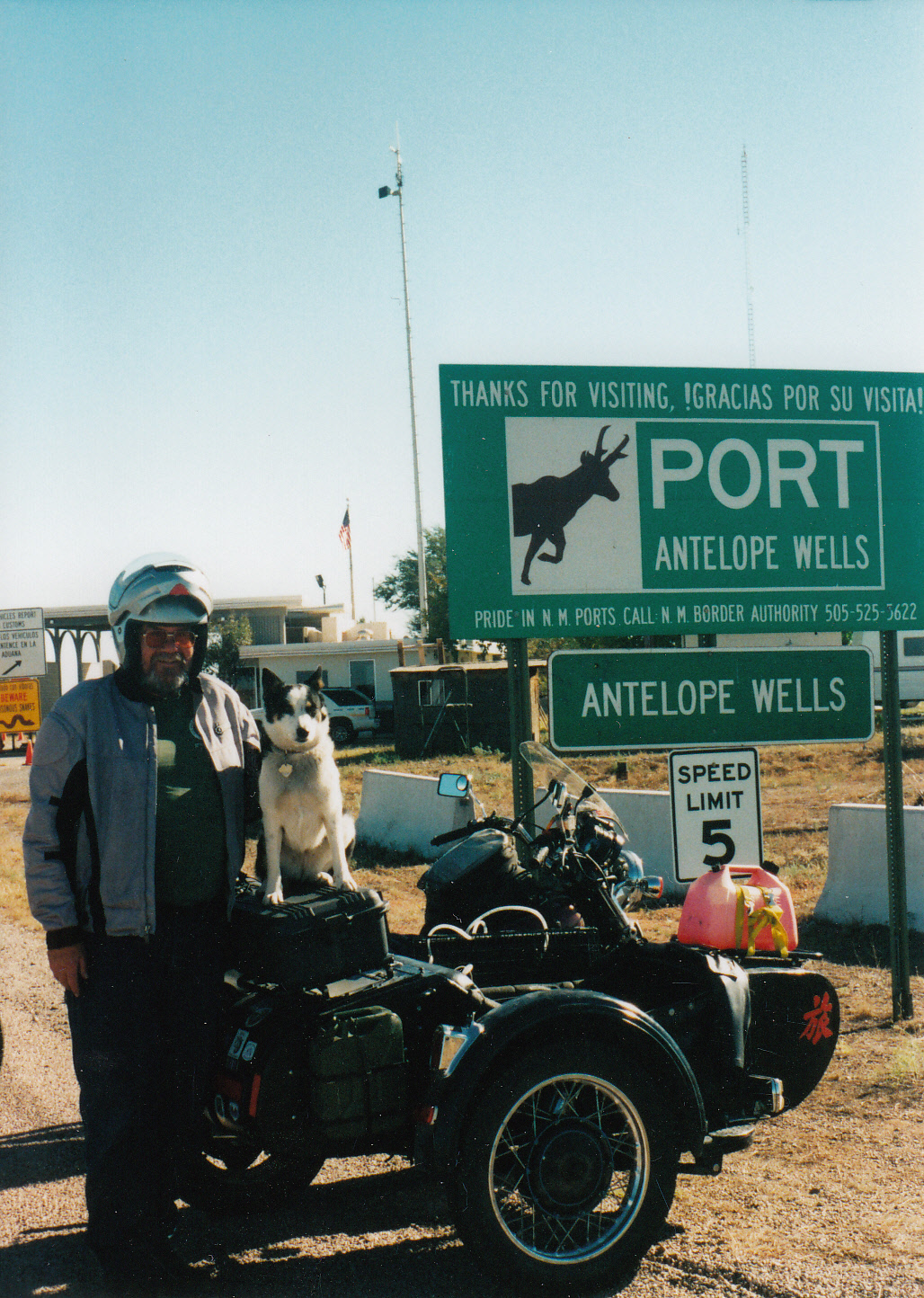
Due to some inconveniences such as work, chores, and cash flow, we did not resume the Up, Down and All Around Tour until October.  Fortunately, temperatures along the southern border of the state had become downright pleasant by the time we set out to touch the southern two corners. Here’s some advice for anyone curious about checking out the remote Mexican border crossing at Antelope Wells: bring extra gas.  We traveled as far as up_down_allaround_0008Hachita and found two gas pumps, both out of order.  A check with the Border Patrol, more plentiful than yucca in that part of the state, confirmed my suspicion that there was no gas to be had at the border, either.  The sidecar rigs being the gas hogs that they are, we chose the better part of valor and turned around.  As close as we lived to this corner, we decided to skip it.  A week later, we returned with a couple of extra gas cans to finish the ride.

The last corner was the most difficult to find.  Reaching Jal was easy enough, just 60 miles or so past the state’s low point at Red Bluff Lake.  But Bennettup_down_allaround_0005 appeared to be a ghost town, not marked on any map.  A local man gave Brian directions to go three miles south and “you can’t miss it,” which turned out to be local-speak for “you’ll never find it, stranger.” After wandering around for awhile, we finally followed a dirt road into a small settlement consisting of a half dozen houses.  Yards overflowed with goats, donkeys, and chickens, but not one human being was in evidence.  I thought I heard the theme from “Twilight Zone” playing in the background. No signs announced Bennett, so we photographed a sign indicating Bennett up_down_allaround_0006Street, again hoping this would please the AMA.

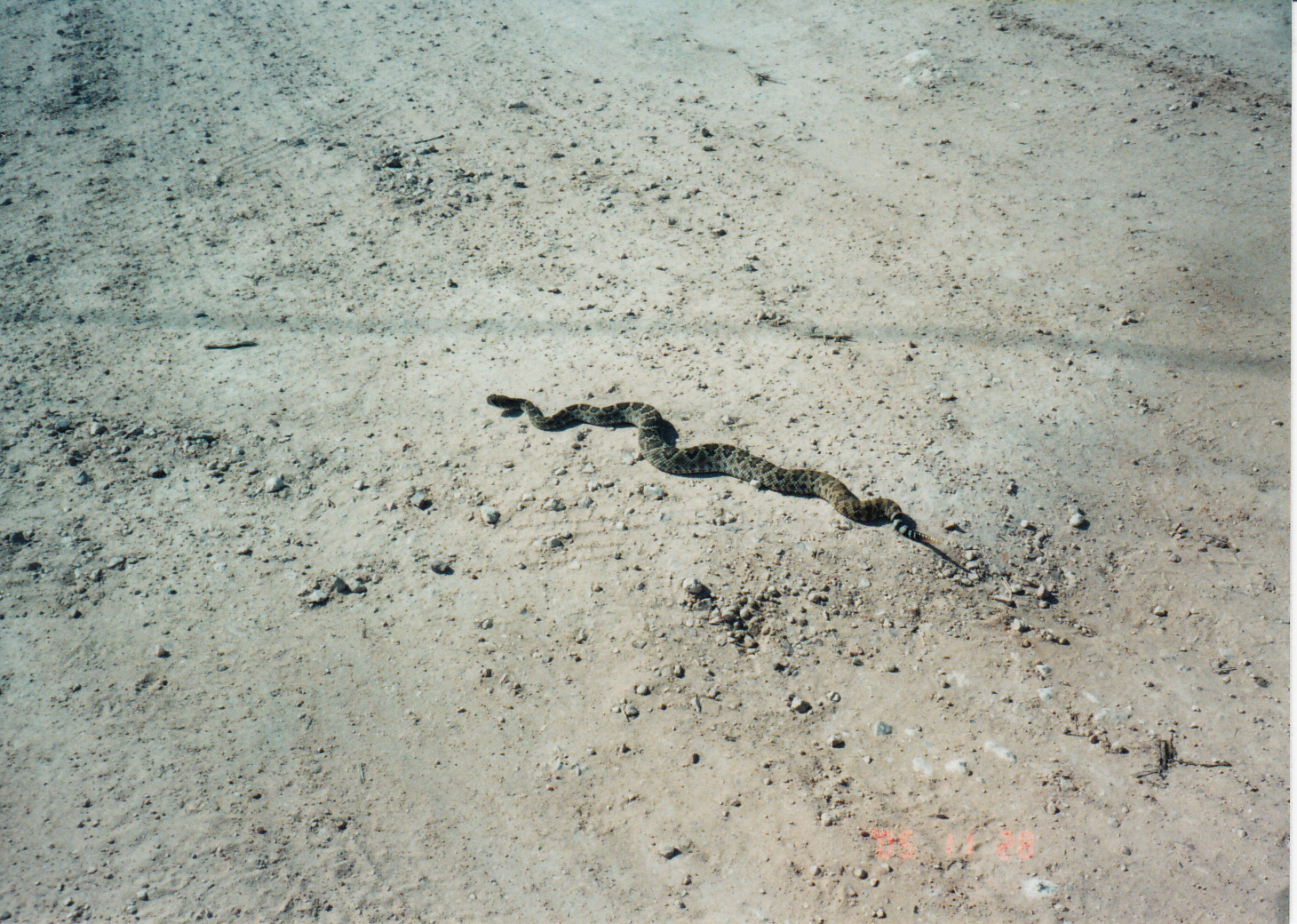
On the way out of the settlement we were halted by another creature on the road: a four-foot-long rattlesnake.  Brian jumped off his rig to snap a quick picture.  The flash of the camera stirred the snake; it shook its tail ominously while retreating into someone’s yard.  Dina wisely stayed in the sidecar.

There was to be one more “wildlife” encounter on the way home from Jal.  At a turnout near the Waste Isolation Pilot Plant site, Dina and I went to water the weeds while Brian shut his eyes for a few minutes.  Suddenly, an eerie humming sound approached.  “Duck!” I shouted to Brian, as several hundred Africanized bees headed toward us from the direction of the buried nuclear waste.  Dina dove under the sidecar.  Michael Crichton’s science fiction book, Prey, flashed through my mind.  Its plot involves a swarm of nanoparticles that develops intelligence and attacks human beings.  But in this case, the bees made, well, a beeline for something south of us and moved past harmlessly.

Once finished going Up, Down and all Around New Mexico, I studied the list theup_down_allaround_0002 AMA had sent us for the tour.  Apparently you can tour the corners of as many states as you want.  They listed exotic-sounding places like: Teec Nos Pos, Arizona; Yaak, Montana; and Shivwits, Utah.  Hey, who said this tour was a dumb idea and a waste of gas?  I suggested that maybe we could touch some of those corners next year. Dina the Dog wagged her tail agreeably.  And Brian was already on the rig and down the driveway.

To Climb Like an Inca

Copyright © 2007 by Kathleen Kemsley, submitted to a travel writing contest in 2008.  

When the opportunity arose, I seized the chance to spend three weeks travelingPisac4 in the highlands of Peru.  It was not the easiest choice of destinations.  Five years earlier, I had been diagnosed with a nervous disorder that affected my legs, causing numbness, tingling, and weakness.  In the weeks leading up to the departure, I practiced hiking up and down the muddy banks of the Rio Grande River in my hometown.  I wasn’t certain how my legs would work in Peru, but I was willing to try.

I was not the only one of our party to struggle with disability.  My husband, Brian, had chronic obstructive pulmonary disease; our friend Jim suffered from post traumatic stress, courtesy of a tour in Vietnam.  In the end we all went anyway, for we would never get any younger or healthier.

But alas, a serious problem arose when we reached the Andean highlands: Brian was unable to catch his breath.  Aspirin didn’t help, nor did coca tea.  What had been diagnosed as mild emphysema at sea level turned into agonal breathing at two miles high. Cusco’s exotic ambiance could not compete with Brian’s urgent need for oxygen.  He had to descend immediately.

Knowing how badly I wanted to experience the Andes, Brian urged me to stay in Cusco with Jim for the rest of the week.  With great relief – and more than a little guilt – I put Brian on a flight to Lima.

Jim, a long-time friend and former neighbor, had previously accompanied us on trips to Toronto, San Francisco, and down the Alaska Highway.  Generally, left to his own devices, he was more likely to look for a place to string his hammock than he was to explore.  Still, hoping for the best, I hopped a rickety bus with him to attend the Pisac market.

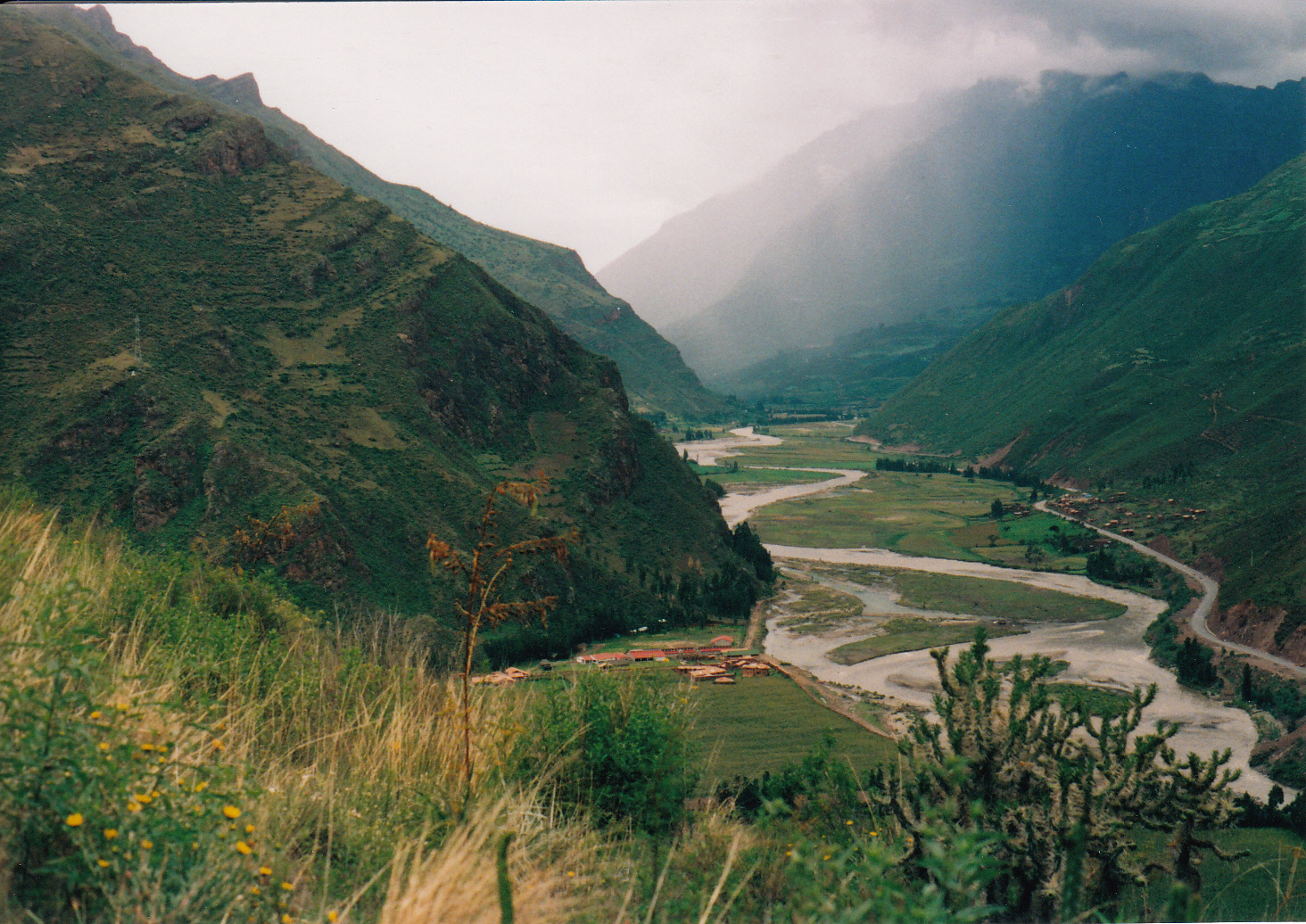
Pisac1_0001Thirty miles or so distant from Cusco, Pisac was, six days a week, the picture of peaceful serenity in the Sacred Valley.  Sundays, however, Pisac hosted a market attended by both villagers and tourists from miles around.

This particular Sunday, the last before Lent, offered a special bonus: a Carnaval celebration.  In the Andes highlands, the holiday was welcomed with parades, pageants, and colorful costumes.  Energetic dancers, accompanied by pan flute and drum, performed on a raised stage in the town square.  Bands of kids ran wild through the audience, throwing buckets of water at each other.  The younger kids threw indiscriminately, while the teenage boys slyly aimed their ammunition at the chests of giggling girls.

Jim mumbled something about getting horizontal and disappeared into the crowd.  Restless, I walked up to the Artisans Market.  Booth after booth was piled with stuff: jewelry, leather purses, flutes, tee shirts, wooden toys, sweaters, stuffed animals, paintings, key chains, pottery.   The sheer number of items for sale was overwhelming.

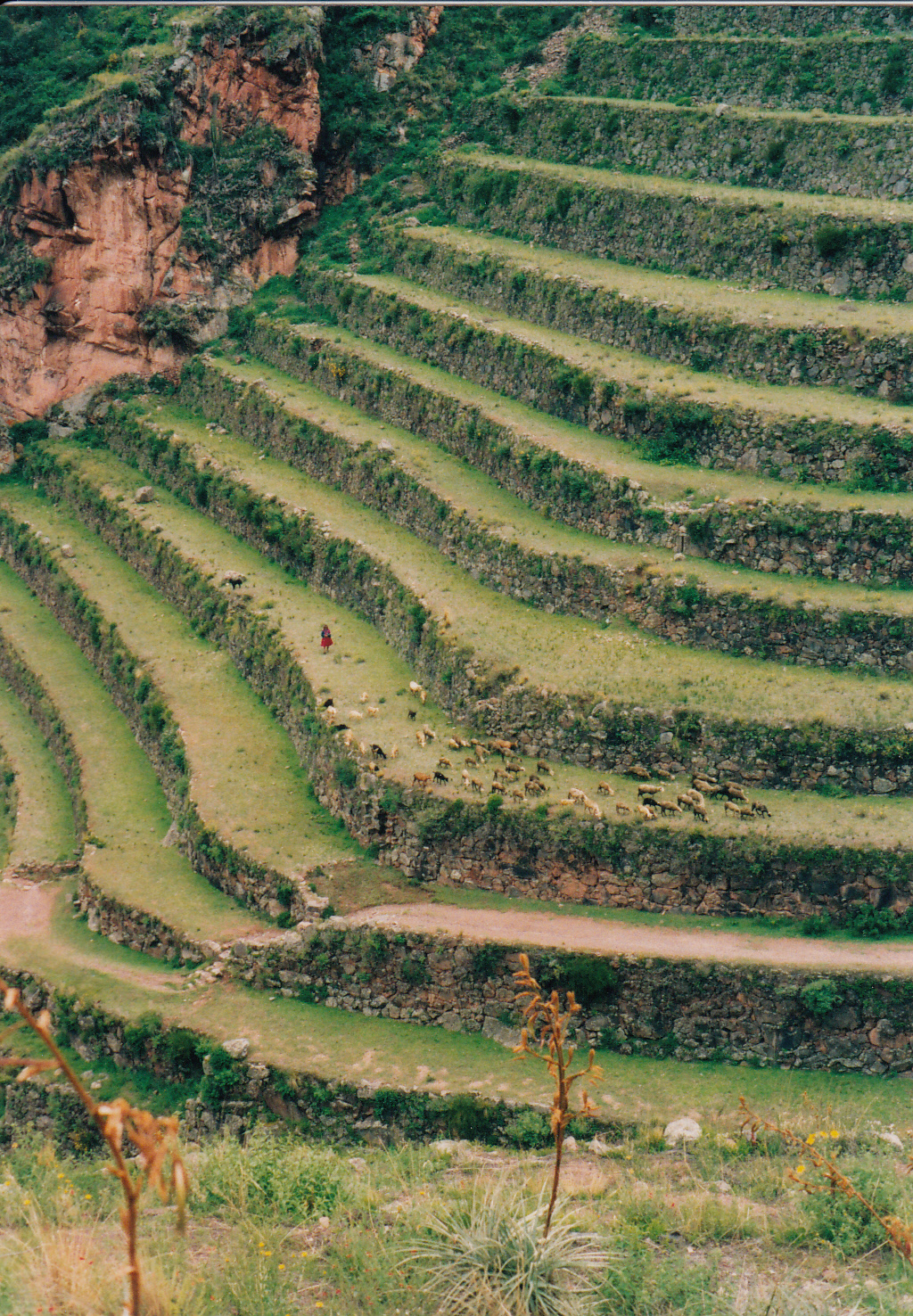
At the end of one of the vendor aisles, my eye was drawn to some verdant green terraces that sloped upward toward the sky.  I followed a muddy path to a trailhead.  Ruinas Pisac, the sign beckoned.  At a stone booth just past the sign, I asked the gatekeeper in my halting Spanish how far away lay the ruins.

“Una hora, cinco kilometres,” he answered.  With a hand he showed me the slope.  “Straight up,” I translated, tilting my head back.

Could I dare even attempt a hike like this?  Leading up to this trip-of-a-lifetime, I had faithfully practiced walking.  Covering two miles each day, never blowing it off, had thus far managed to keep me moving.  But that was on flat ground.  This was something else.  This was a stairway to heaven worthy of Led Zeppelin.

Pisac2From the time I read Secret of the Andes as a child, I had harbored a dream to someday walk these highlands.  Now I gazed at the terraced hillside, hopelessly steep, and decided to follow my heart’s desire in the Sacred Valley and climb.

There was something calming in the simple labor of stepping up each switchback on the mountain.  The past few days I had spent frantic with worry about Brian’s breathing problems, and selfishly fearful that I would miss the Andes experience.  More than anything in Peru, I wanted to do this:  I wanted to climb like an Inca.  A solo hike up the side of a Peruvian mountain might have been a modest goal for a young, healthy traveler.  But for me, this trek was the realization of a lifelong dream.

A curtain of rain and a shard of sunlight moved past me as I ascended.  There was no need to turn and check whether anyone was keeping up with me.  I breathed deeply.  My legs trembled and wobbled like they were made of rubber.  Prickly tingles along my thighs reminded me that I wasn’t used to this kind of a vertical stroll.

A quarter of the way up, I suddenly remembered Jim.  I had not told him where I was going.  But I couldn’t bring myself to forfeit the altitude I had already gained.  Besides, I told myself, he was most likely stretched out on a piece of cardboard behind someone’s craft booth, snoring away.  He probably hadn’t even missed me.

For one afternoon, nobody needed me.  I was completely free.

I kept climbing, up and up.  Flowers of gold and pale lavender bloomed along thePisac3 narrow trail.  A tiny waterfall tumbled over granite.  Wisps of flute music floated up on the wind from the Carnaval dances.  Beyond a steep gully, a shepherdess urged her flock of llamas across an impossibly green terrace that had been constructed in Roman times.  Essential Peru spread before me like a diorama.  The spirit of the Incas accompanied my every step.

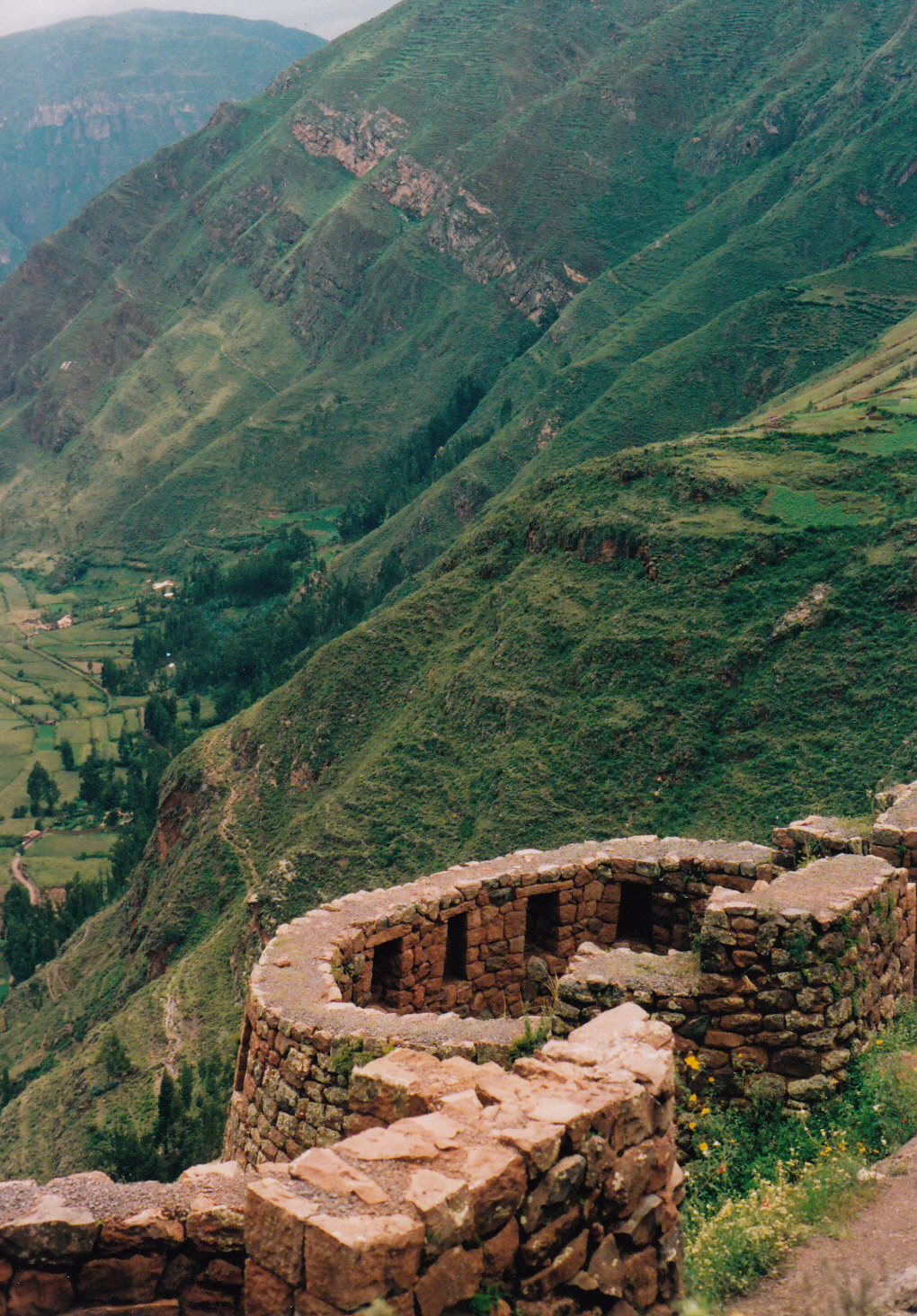
The final half mile nearly defeated me.  Struggling up the last few steps, I cleared the top of the mountain and beheld the Pisac Ruins.

Intriguing the ancient rock structures were.  Stunning.  Mysterious.  For an hour I wandered, photographing a canal here and a stone wall there.  The air at the top of the mountain smelled pungent and moist like freshly turned soil.  A handful of people passed me on the trail; I wondered idly where they came from.  Then I rounded a citadel and – just like that Far Side cartoon – spied a parking lot full of busses and taxis.

“There’s a road to get up here!” My laughter sounded like a screech, borne of both exhaustion and exhilaration.  Tourists ambling up from the parking lot detoured wide around me.  I strode past them, gulping the last water from my bottle and singing El Condór Pasa.

Righteous I felt for having reached the ruin in the same way the Incas reached it.  But I was too tired to walk back down the mountain, too.  Fifteen minutes and a five dollar taxi ride later, I was again in the Pisac plaza, reunited with Jim.

“Where were you?” he asked, yawning.  “I thought maybe you caught a bus back to Cusco.”

“I went for a walk.”

Jim took in my wind-burned cheeks, rumpled clothing and unruly curls.  “How far did you go?”

I waved vaguely toward the green terraces above our heads.  “All the way up,” I grinned.  “I climbed like an Inca to the sky.”

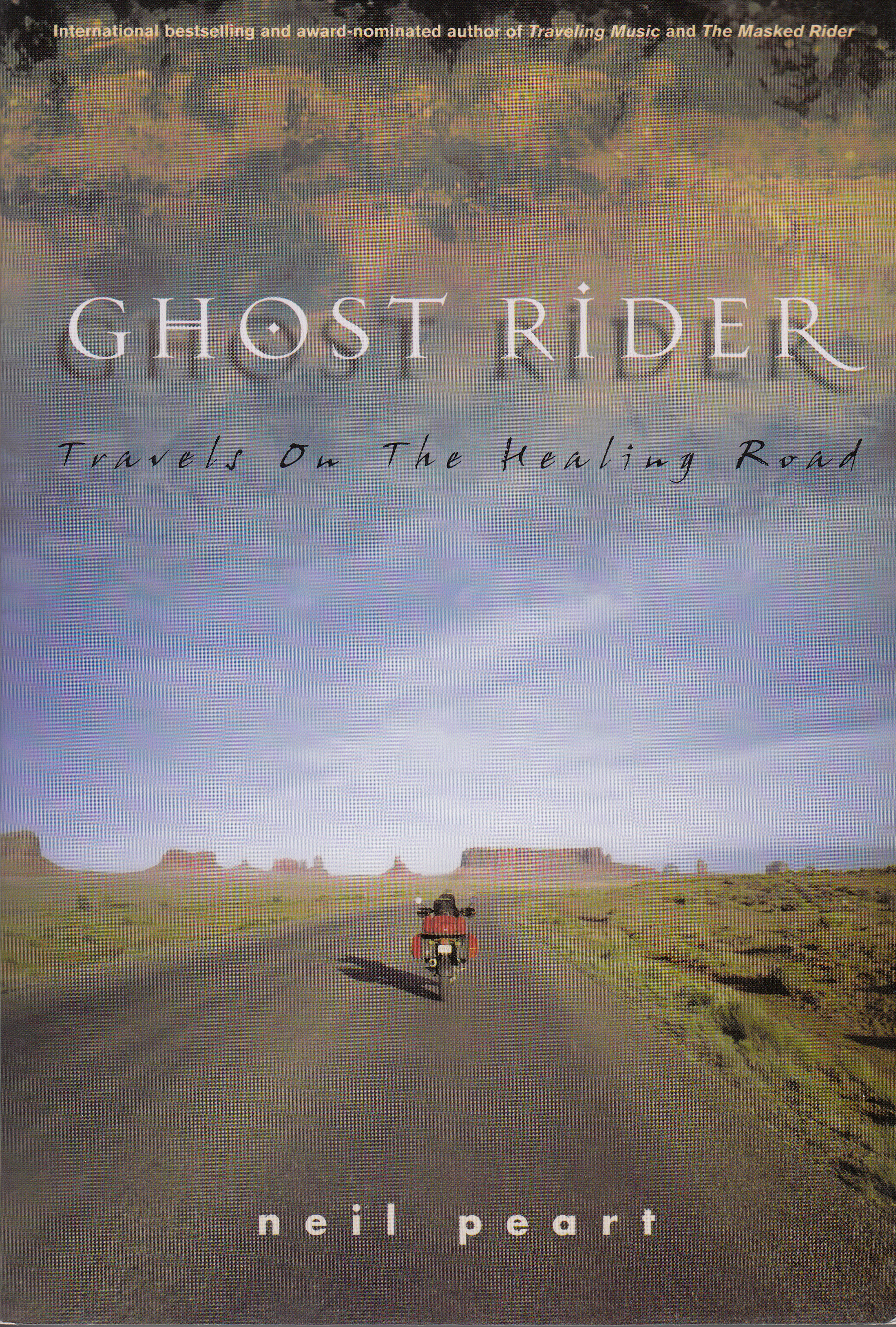
Review: Ghost Rider, Travels on the Healing Road, by Neil Peart

© 2004 By Kathleen Kemsley.  Originally published in Women On Wheels Magazine, May/June 2004.  

The joy of movement, the thrill of discovering new places, the fun of meeting people: Ghost Rider2these are the usual high points cited in motorcycle travel narratives.  One picks up a bike journey book expecting to be spirited along on the writer’s good-time route.

In the case of Ghost Rider: Travels on the Healing Road, nothing could be further from the truth.  Author Neil Peart’s journey crisscrossing 55,000 miles of North and Central America is neither joyful, thrilling, nor fun.  Instead, the trip serves as therapy, allowing Peart to begin recovering from staggering tragedy.

The deaths within one year of his wife and his 19-year-old daughter, along with the incarceration of his best friend, render Neil Peart shell-shocked and devoid of hope.  The only decision he can manage is to keep moving, a Ghost Rider on a BMW.  Covering 400 to 600 miles per day, Peart escapes into manic forward motion, all the while searching the wreckage of his heart for some meaning.

“My mission now was to protect a certain essence inside of me, a sputtering life force, a meager spirit,” Peart writes at the beginning of his journey.  With a poetic yet unsentimental vision, Peart relates an absorbing narrative about a two-wheeled quest to repair his damaged soul.

Peart’s first inkling of a return to the living comes almost 100 pages into the book.  On a twisty highway in British Columbia, “the sky remained bright, the air cool and delicious, and the sinuous road coming toward me was so challenging and rewarding that I was tempted into the adrenalin zone.”  He finds himself whooping with an exhilaration not felt in many months, and his ride on the Healing Road has begun.

Despite the author’s melancholy state of mind through much of his journey, he nevertheless manages to write engagingly about the history of such places as Owens Lake, California. Long hikes taken in national parks from Glacier to Zion to Yosemite are well-drawn, alongside un-self-conscious descriptions of inner struggles with the pain of memory and loss.  As the drummer and lyricist for the rock band Rush, Peart knows many musicians and artists throughout North America.  Time spent nurturing these friendships along the way bolsters Peart’s attempts to rejoin the human race.

Some of the book is straight narrative, while other sections take the form of excerpted letters to friends.  In between three rides of several months each, Peart returns to his home in Quebec, Canada.  “Curiosity keeps me going.  If not hope.  That seems to be gone, with idealism and faith.  No more illusions.  It just is.  Deal with it,” he writes.

Acceptance comes gradually, but readers will be cheering for Peart as he emerges from his soul’s dark night.  Both the tragedies and the triumphs of Peart’s life-affirming journey are expertly depicted in this book.  The Ghost Rider’s path back to the land of the living should not be missed.

Whitehorse Press, 2002, 458 pages, $19.95.

Black and White and Red All Over

Copyright © 2007 By Kathleen Kemsley, first published in Rider Magazine, August 2008

Question: What’s black and white and red all over?  Answer: A motorcycle route through the region surrounding Lincoln National Forest in southeast New Mexico.

Lincoln1_0005At the north end of the route, black folds of lava clothe the desert landscape in an eerie moonscape.  At the southern end, unbroken acres of dazzling white dunes roll out into infinity.  In between, mountains rise to a cool 9000 feet elevation, offering evergreen forests, twisty back roads, cute resort towns, museums, spectacular sunsets, and a refuge from the sizzling black and white desert below.

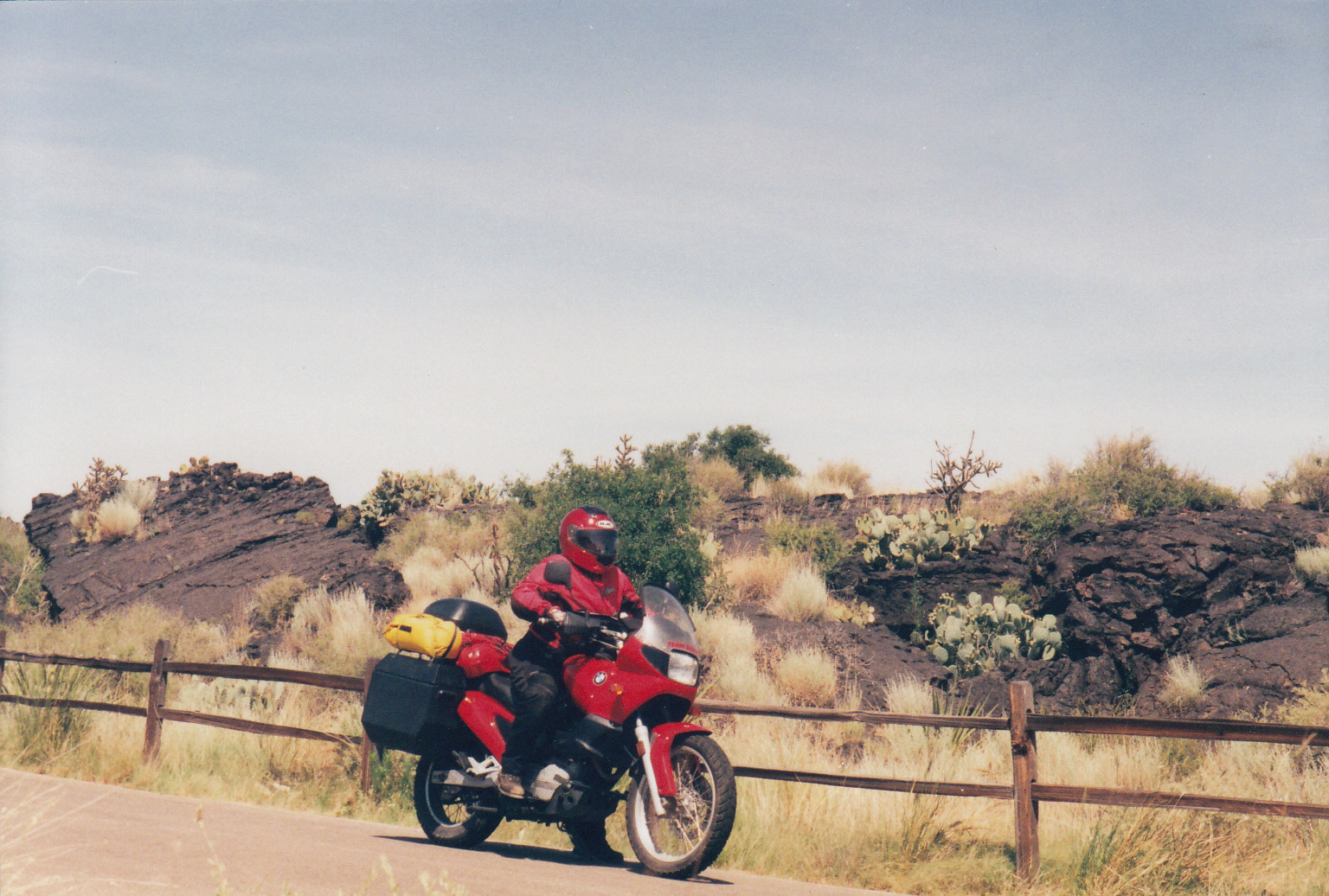
My ride began at the Valley of Fires Recreation Area, just west of Carrizozo.  The stark landscape of the park was created by a volcanic eruption 1000 years ago.  Ropey black flows, called Lincoln2pahoihoi in the Hawaiian language, reach over 100 feet thick in some places.  An ear-splitting buzz of cicadas in the cottonwood trees provided a sound track.  Though the July morning was still early, heat radiated from the black sea of lava.  I headed for the hills.

The Capitan Mountains are one of only two mountain ranges in the continental United States which is oriented east-to-west.  (The other is California’s Santa Ynez Range.)  A road skirting the southern margin of the Capitans brought me swiftly up to altitude.

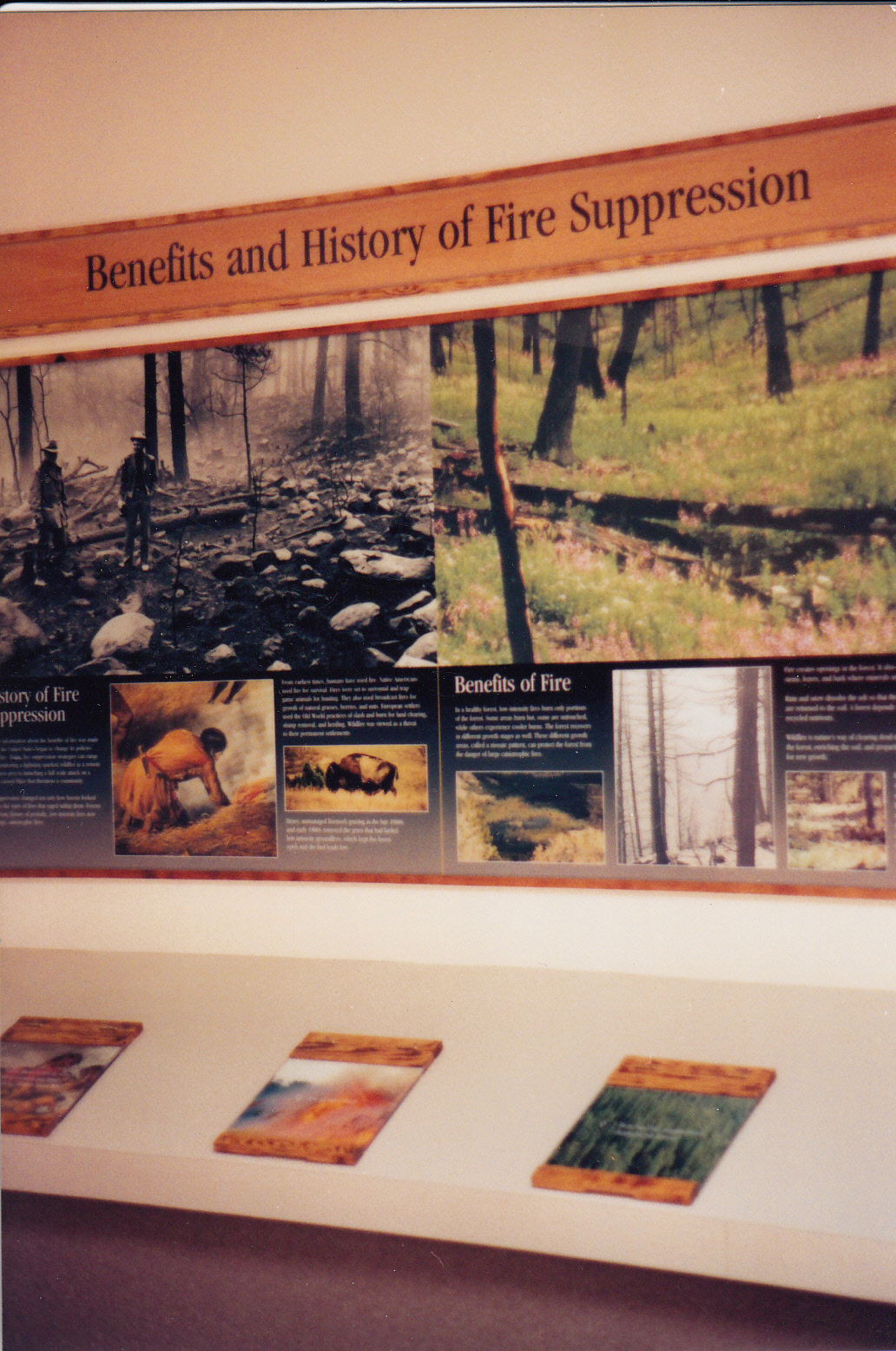
I’m a wildland fire dispatcher by profession.  In the town of Capitan, I indulged in a “busman’s holiday,” stopping to visit a museum dedicated to our firefighting mascot, Smokey Bear.

Smokey’s life began on an advertisement agency canvas, created in 1944 as World War II propaganda.  The original two-dimensional Smokey encouraged Americans to “prevent careless fires” and conserve timber supplies which were needed for war.

Lincoln3Six years later, during the 17,000 acre Capitan Gap fire on the north side of Capitan Mountain, an orphan bear cub was rescued from a scorched tree by a forest ranger and brought to town.  Ceremoniously named Smokey, this bear toured the country for the next 20 years as the living symbol of fire prevention.

Besides displays about Smokey, the museum presented excellent interpretations about various aspects of my chosen career.  In the garden behind the building, I lingered for a reverent moment next to Smokey’s grave.

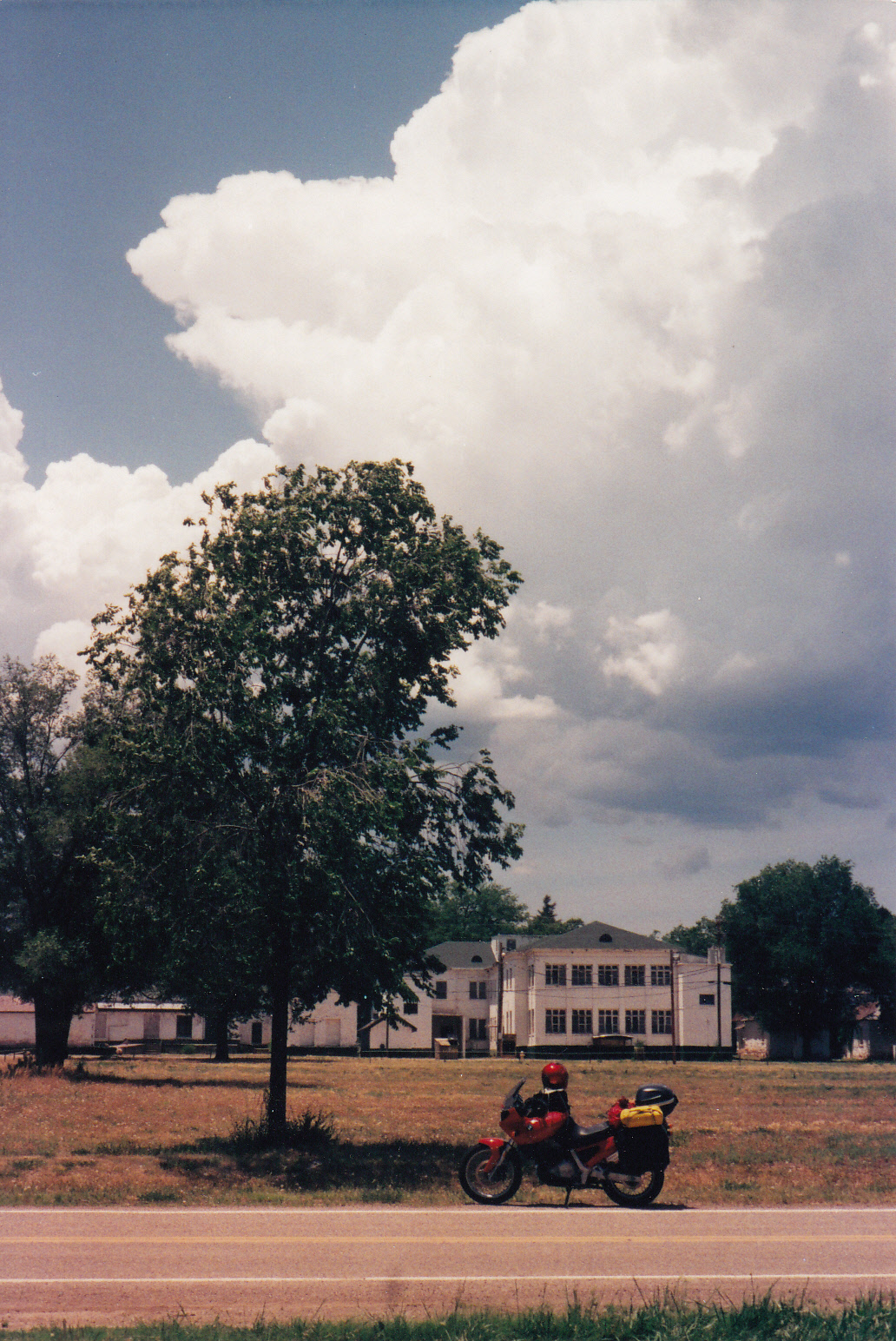
My next stop, a few sweeping curves up the road, was Lincoln, a frontier town which reached its zenith in the 1880s.  The Lincoln State Monument preserves old buildings and historical items from the Lincoln County War during the era of Billy the Kid.  I ate lunch there under a shade roof, watching thunder clouds build to the southwest.

Back on the red BMW, I pointed my front tire toward the clouds, but was distracted a few miles Lincoln4further along by Fort Stanton.  This frontier outpost, established in 1855, served stints as a tuberculosis hospital at the turn of the century, and as a German internment camp during World War II.  A small museum displayed souvenirs from each of Fort Stanton’s incarnations.

The road ran through the mountains southwest of Fort Stanton, following graceful curves past lush alpine meadows.  Just before I reached Ruidoso, the heavens opened and I was pummeled by stinging rain and hail.  July and the fire season seemed a distant memory.

Ruidoso is well known to thousands of motorcyclists who attend the Golden Aspen Rally in September.  I coasted past art galleries and gift shops on Ruidoso’s main street before detouring down a side road to reach Mescalero.

The heavily forested Mescalero Apache Reservation is richer in resources than most Indian reservations.  The tribe has successfully capitalized on the region’s natural beauty by creating the Apache Summit ski resort and the Inn of the Mountain Gods casino, to attract visitors and their money.

From Mescalero, my route wound south into Otero County, eventually leading to the hamlet of Cloudcroft.  A few motorcycles cruised Main Street slowly; I waved and sipped a coffee and considered my options.  A detour out Highway 130 would take me through Mayhill and Weed, tiny towns tucked into the Sacramento Mountains.  Another possible side trip was a ride up to the observatory at Sunsites, elevation 9,200 feet.  But the storm drifted off, the sun re-emerged, and I suddenly craved the heat of the desert.

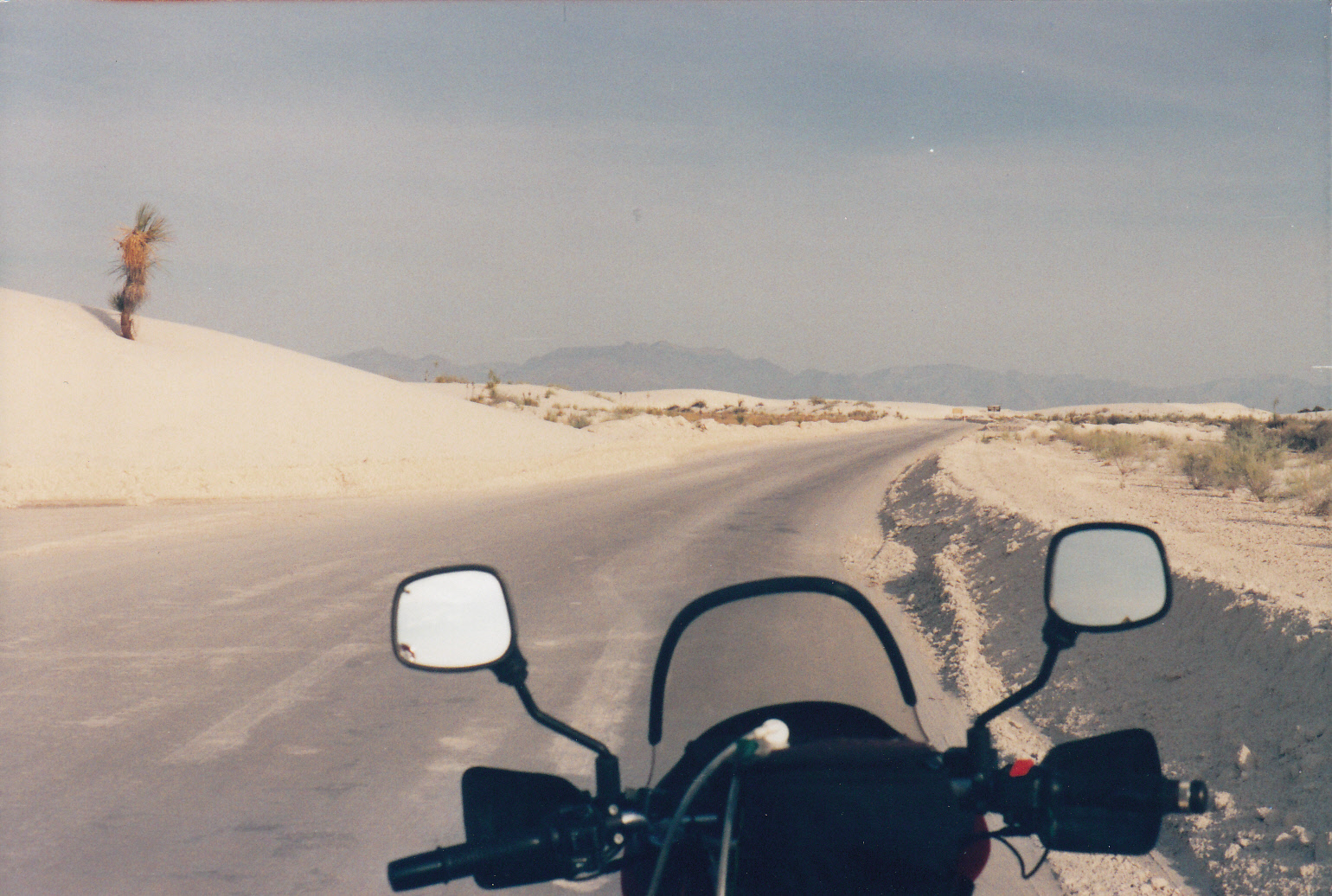
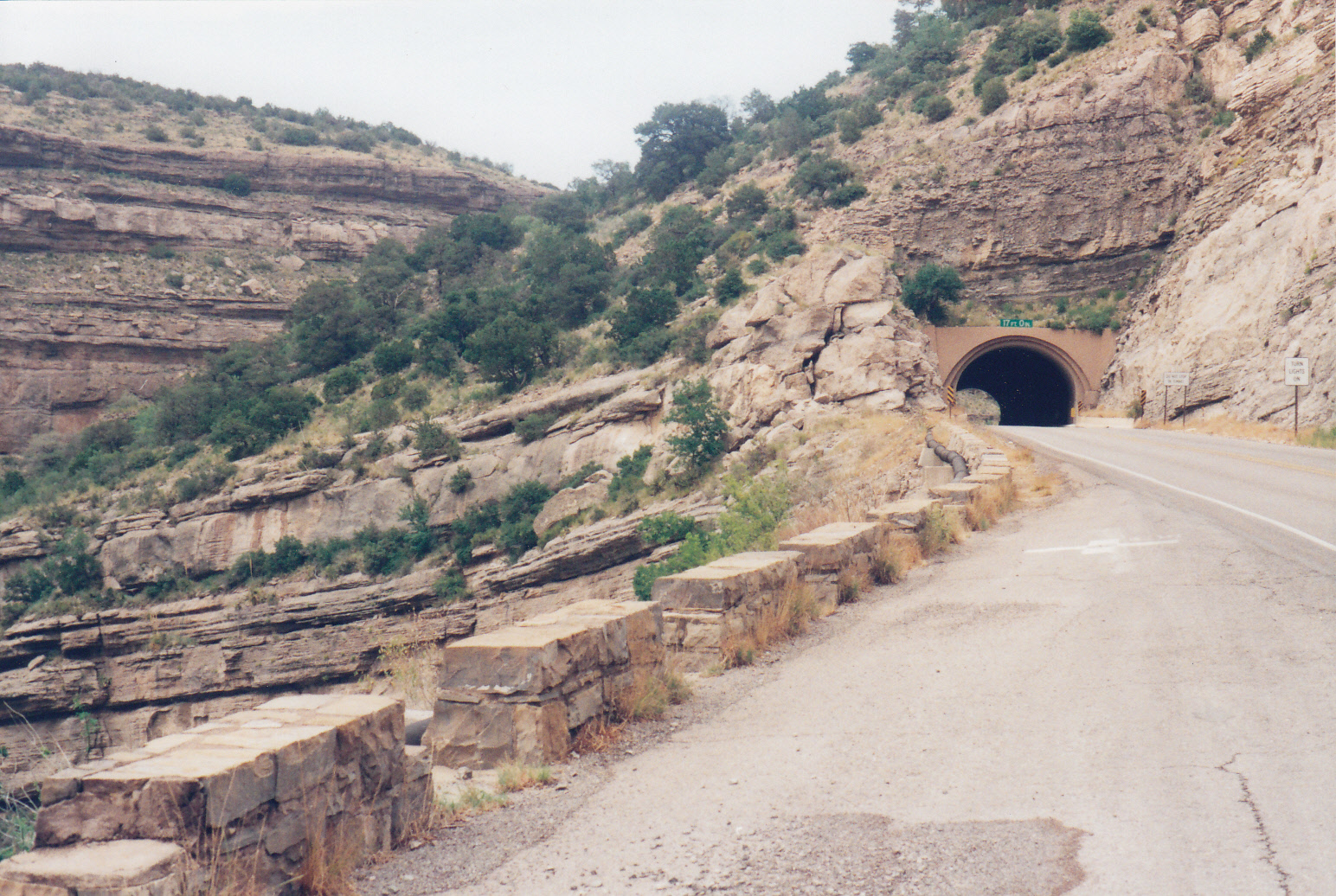
Lincoln5Downhill I rode, then, sweeping through generous curves and dropping an astonishing 5,000 feet in less than 15 miles.  My gas stop was Alamogordo, a typical military town full of payday loan places, used car dealers, and Chinese buffets.  With unlimited time, I could have visited the Museum of Space History and Imax Theater for some indoor entertainment.  But instead, I opted for the natural world, white counterpoint to the black lava of Valley of Fire, at White Sands National Monument.

After paying a $ 3.00 entrance fee, I rode past gypsum dunes impossibly white against a blue sky that showed no traces of the storm just past.  Frequently along the eight mile scenic drive, I stopped to photograph shadows and the graceful contours of the dunes.

Lincoln7My 200 mile ride ended in a blaze of red sky at Dog Canyon Campground near Alamogordo.  Images of the day ran through my head: red motorcycle gliding past black lava and white dunes; a coat of hail on asphalt; a sunset sky the color of flames.  Black and white and red all over.  A warm breeze rose off the desert, sweeping me into a dreamless sleep.

Amargosa Valley, Hidden Gem of the Desert

(c) 2014 By Kathleen Kemsley, never previously published.

Tired of dodging clumps of tourists in Golden Canyon?  Weary of trudging the over-interpreted ruins of the Harmony Borax Works?  Bored with the sameness of the dunes at Stovepipe Wells?  For anyone who has become jaded from too many treks to Death Valley National Park, there exists a gem of an alternative.  It’s the region which lies just to the east: the Amargosa Valley.

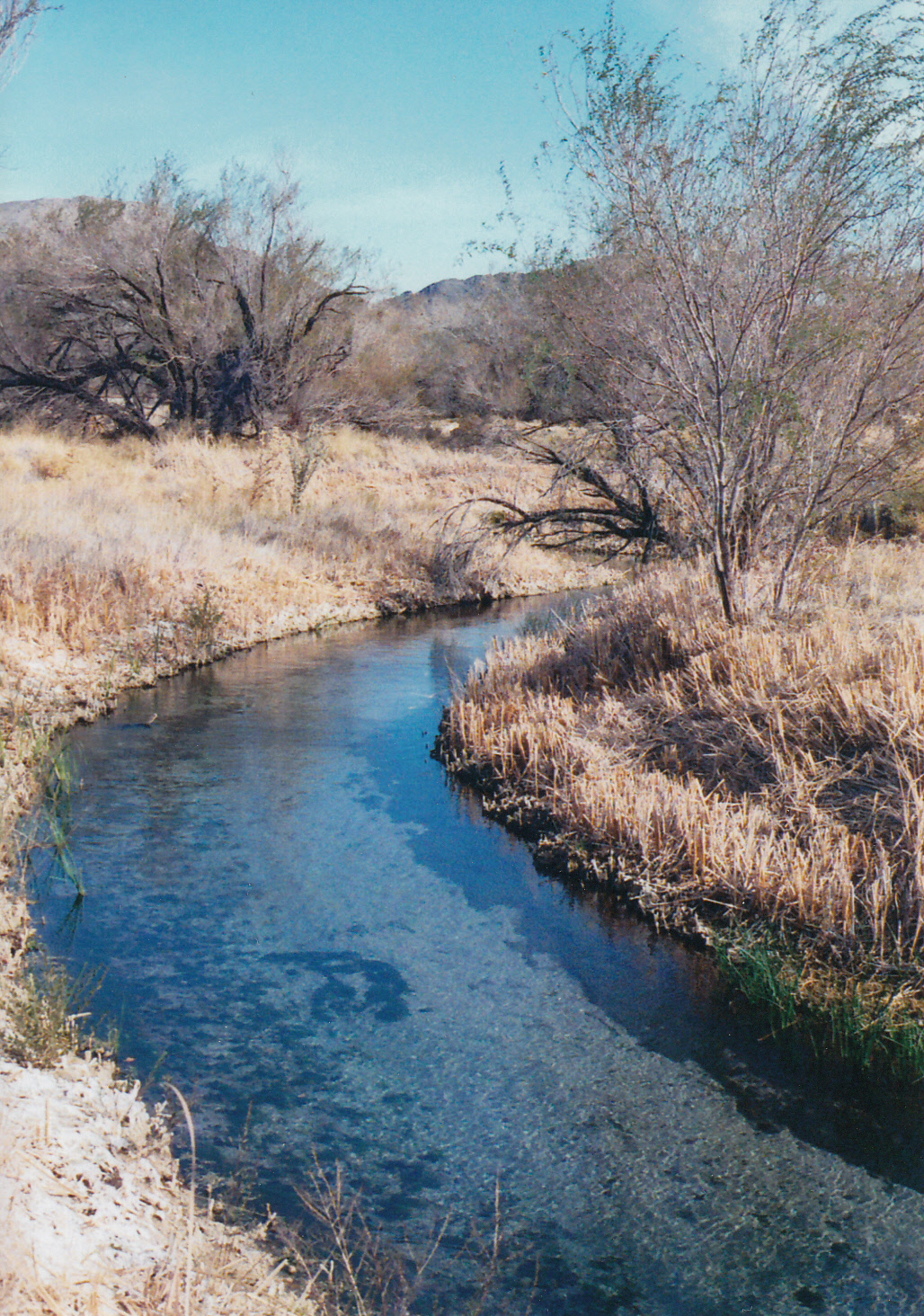
Amargosa1_0006Sparsely populated and seldom visited, the Amargosa region encompasses the reach of a river which mostly flows underground.  Nicknamed “The Hide-And-Seek River,” this 60 mile long waterway makes appearances only sporadically along its course.  The river is a fragile jewel in the desert. Las Vegas, the fastest growing city in the United States, lies just east of the Amargosa.  Developers have tapped into the underground water reserves which feed the Amargosa, threatening the river’s continued existence.

The Amargosa Conservancy, an organization based in Shoshone, California, was formed by locals a few years ago, for the purpose of protecting the river’s riparian zone.  The group staffs a visitor center in Shoshone, leads outings to various locations in the river valley, and lobbies politicians for support.  In 2009 they succeeded in securing Wild And Scenic River designation for the Amargosa, thanks to a bill sponsored by Senator Barbara Boxer (D-Calif.).

Within the bounds of the river region, many natural and cultural marvels can be explored by RV travelers in a few days’ time.  Attractions in the Amargosa River Valley include crystal clear mineral hot springs, a wetland zone dotted with bottomless springs that are home to several endangered species, a working date ranch tucked into a remote canyon, traces of a National Historic Trail, a surprisingly well-stocked museum, a series of caves that were inhabited by miners for more than 70 years, several delightful day-hiking trails, and the stunning desert scenery for which the entire Death Valley region is justifiably world-famous.

People have been soaking in the “healing waters” of Tecopa Hot Springs since beforeAmargosa1_0008 recorded history.  Minerals in the water include potassium, chloride, boron, and sodium, but none of the sulfur that gives many hot springs that “rotten egg” smell.  Bathing suits are not allowed in Tecopa’s public bathhouses; bathers must enter the water nude.  Separate facilities are provided for men and women.

Many of the people who winter in the Amargosa Valley live in one or another of the Tecopa RV parks.  Most are retired and over (some WAY over) 65, and they all swear by the fountain-of-youth properties of the hot springs water.  One woman, who stated her age to be 82, bounced up and down the steps of the hot pool with the energy of a teenager.  She related that a car accident a few years ago had broken 40 bones in her body; she was nearly immobile before discovering the healing waters of Tecopa.  Perhaps she was exaggerating, but the spry spring in her step could not be denied.

Up the road about five miles, the town of Shoshone was originally populated by a small band of Shoshone Indians.  The abundant water of the springs and of the seldom-seen Amargosa River made the locale bearable in the searing heat of one of the hottest environments on the planet.

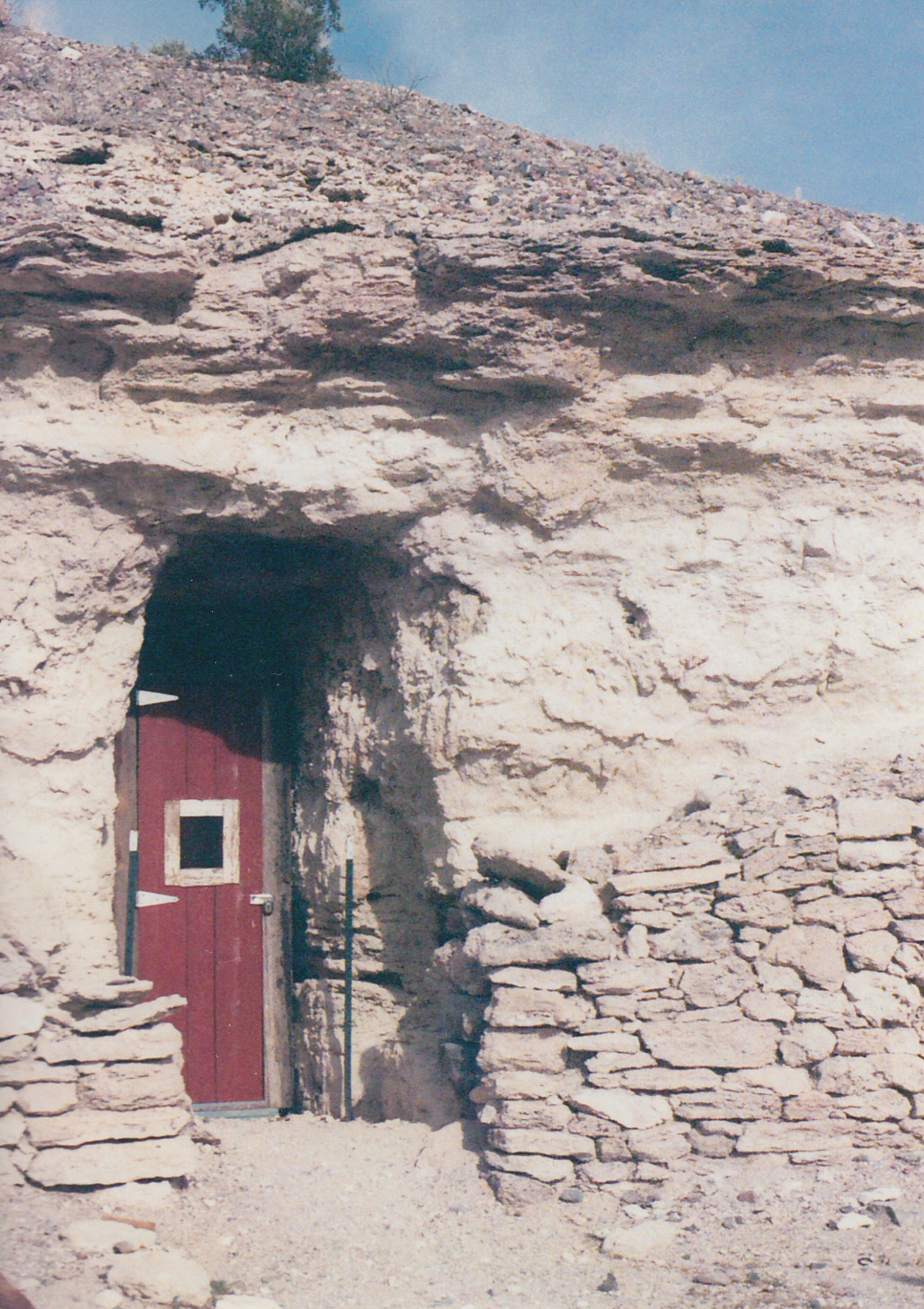
Silver and lead mining began in the Shoshone area in 1877, attracting the first fortune-hunting outsiders to the area.  Some time during this mineral rush, or perhaps before it began, someone dug about a dozen caves out of a 600,000 year old layer of soft volcanic ash and named the settlement “Dublin Gulch.”

Miners occupied these caves continually between 1907 and the 1970s.  When oneAmargosa1_0002 resident died, another would move in.  Each resident of the caves added his own accoutrements: doors, wooden floors, a stove, windows.  Some of the residents became colorful “attractions” in their own right, such as Joe Volmer, who occupied a cave until his death in 1938, and was well known for his love of cold beer and the possession of a working refrigerator in his cave.

Charles Brown, founder of Shoshone and later a state Senator, never charged any of the squatting miners rent.  Therefore, no written records ever existed of who lived in the caves when.  But Brown would often stroll up Dublin Gulch, past the town cemetery, to shoot the breeze with gulch residents.

Today, a visitor to Shoshone can walk behind the gas station and see the caves.  Cave entrances are blocked by doors or fencing.  But it’s still possible to gaze through openings in the doors into the dark, cool depths of the caves on a warm day and imagine what life in the little squatter community must have been like.

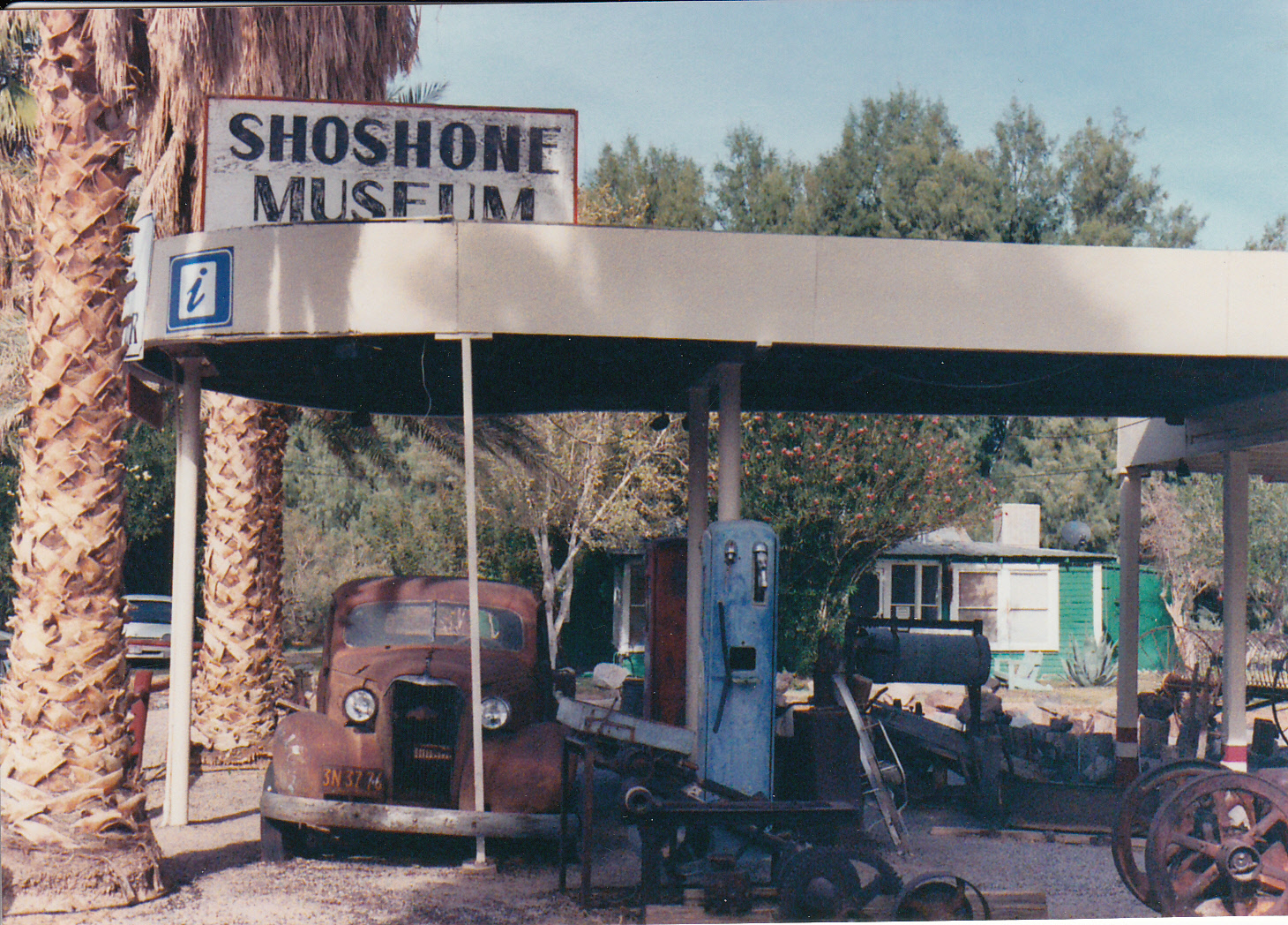
Amargosa1_0001Also in Shoshone, a museum small but bursting with memorabilia preserves the town’s history.  Old photographs, mining accessories, items used by women in their homes, handmade Shoshone Indian goods, and the bones of three species of mastodon are displayed in attractive cases and wall arrangements.  Though there is no admission charge, a donation of a dollar or more is greatly appreciated.

Next door to the museum, the Crowbar Café and Saloon serves big, tasty portions.  For breakfast, a Spanish omelet, served in a skillet with sour cream and salsa, will run you $7.95.  It’s a good bargain, especially compared to the price of gas across the street….which is always on the high side of $4.00 per gallon, even when it’s half that price in Baker, 60 miles to the south.

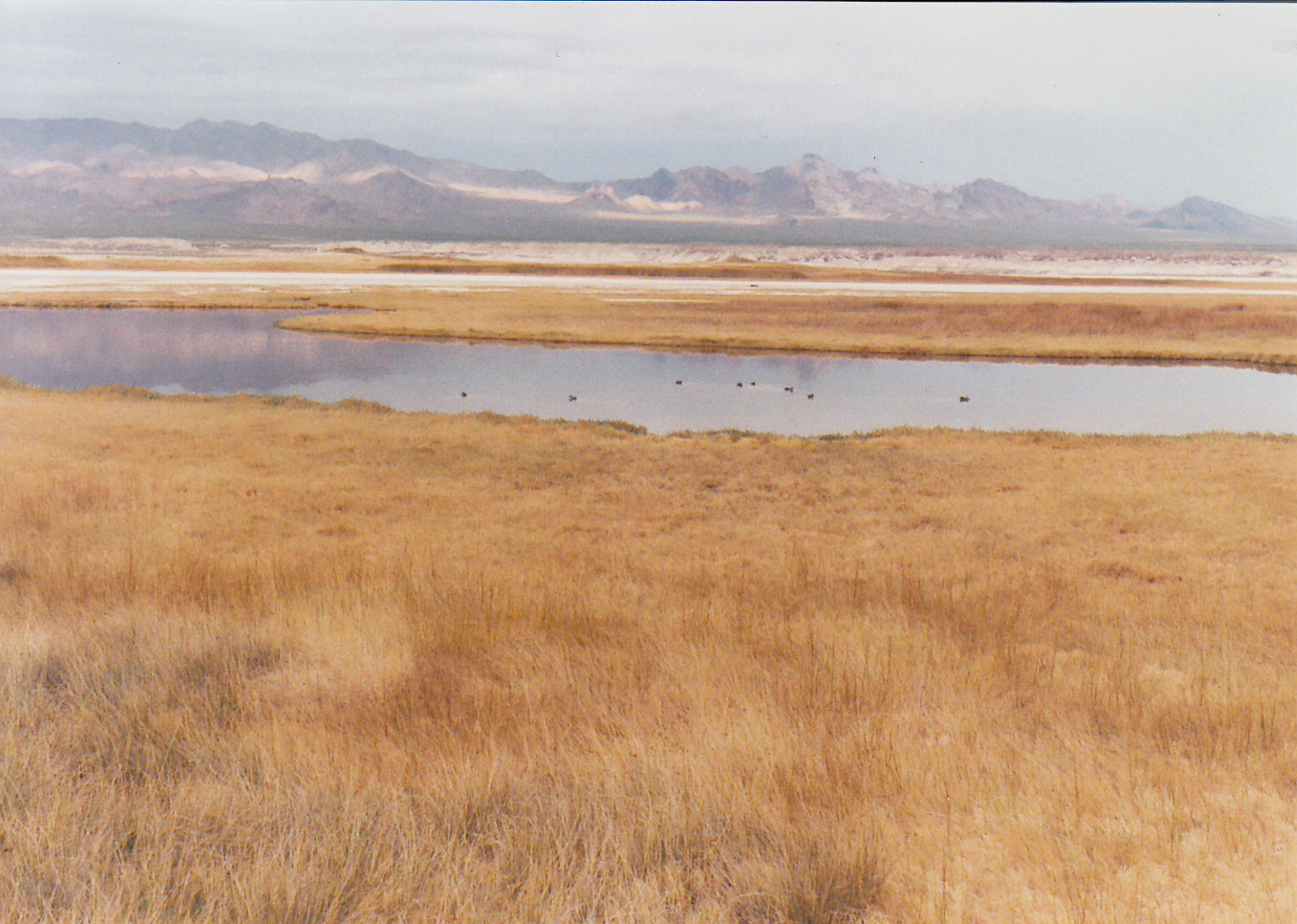
Some sweet oases await the adventurous traveler willing to venture onto the (well-maintained) dirt roads that venture into the Amargosa.  Ash Meadows National Wildlife Refuge encompasses 23,000 acres in the desert just east of California Highway 127, preserving several clear and seemingly bottomless springs which bubble up to feed the Amargosa River.

The nicest of several sites on the refuge is Crystal Spring.  A quarter-mile-longAmargosa1_0004 boardwalk leads the walker on a leisurely stroll out to the spring.  Interpretive signs along the way identify native vegetation and suggest geological history of the area.  One sign claims that the Ash Meadows Pupfish, an endangered species which is plainly visible in the water of the spring, “swam around the feet of mastodons.”  This fish, along with five other species of pupfish which live in nearby springs, is a rare endemic species.  Habitat destruction and competition with non-native species threaten to eliminate these remnant populations left over from the last ice age.

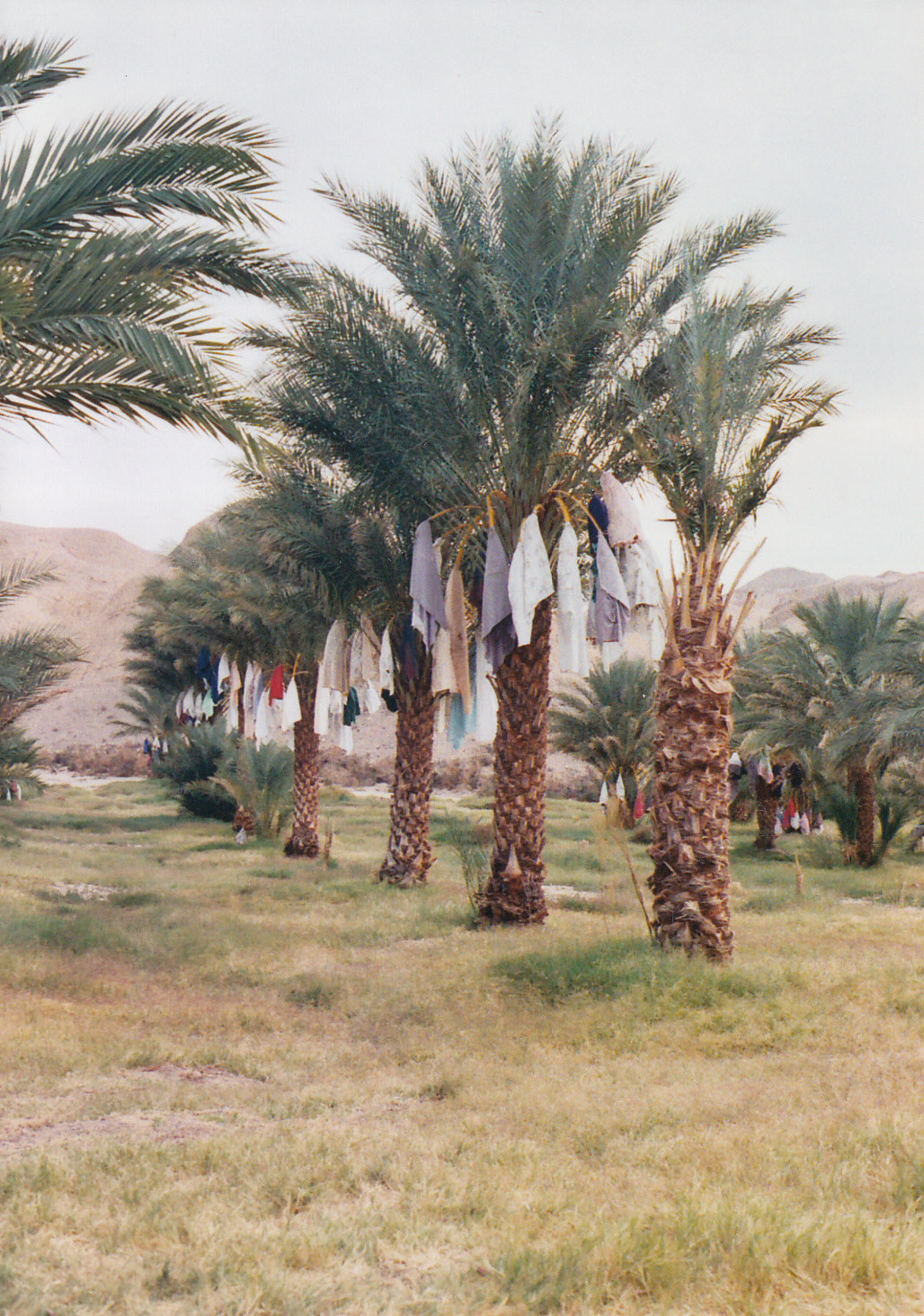
No round-up of Amargosa Valley attractions would be complete without a mention of the China Ranch Date Farm.  Tucked into a steep canyon just a few miles from Tecopa, the Date Farm was first settled by Ah Foo, a Chinese man who came from the Borax Works in Death Valley in the 1890s.  He disappeared mysteriously a few years later.  Since then, various owners have developed the ranch.  The current owners started planting date trees in 1990 and opened the compound to the public in 1996.

Amargosa1_0005The ranch offers a gift store full of every imaginable product you could think of, made of dates.  Free samples of at least six varieties of dates tempt visitors to buy a bag or two. The home-made date bread is moist and sweet, and the date shakes are to die for.

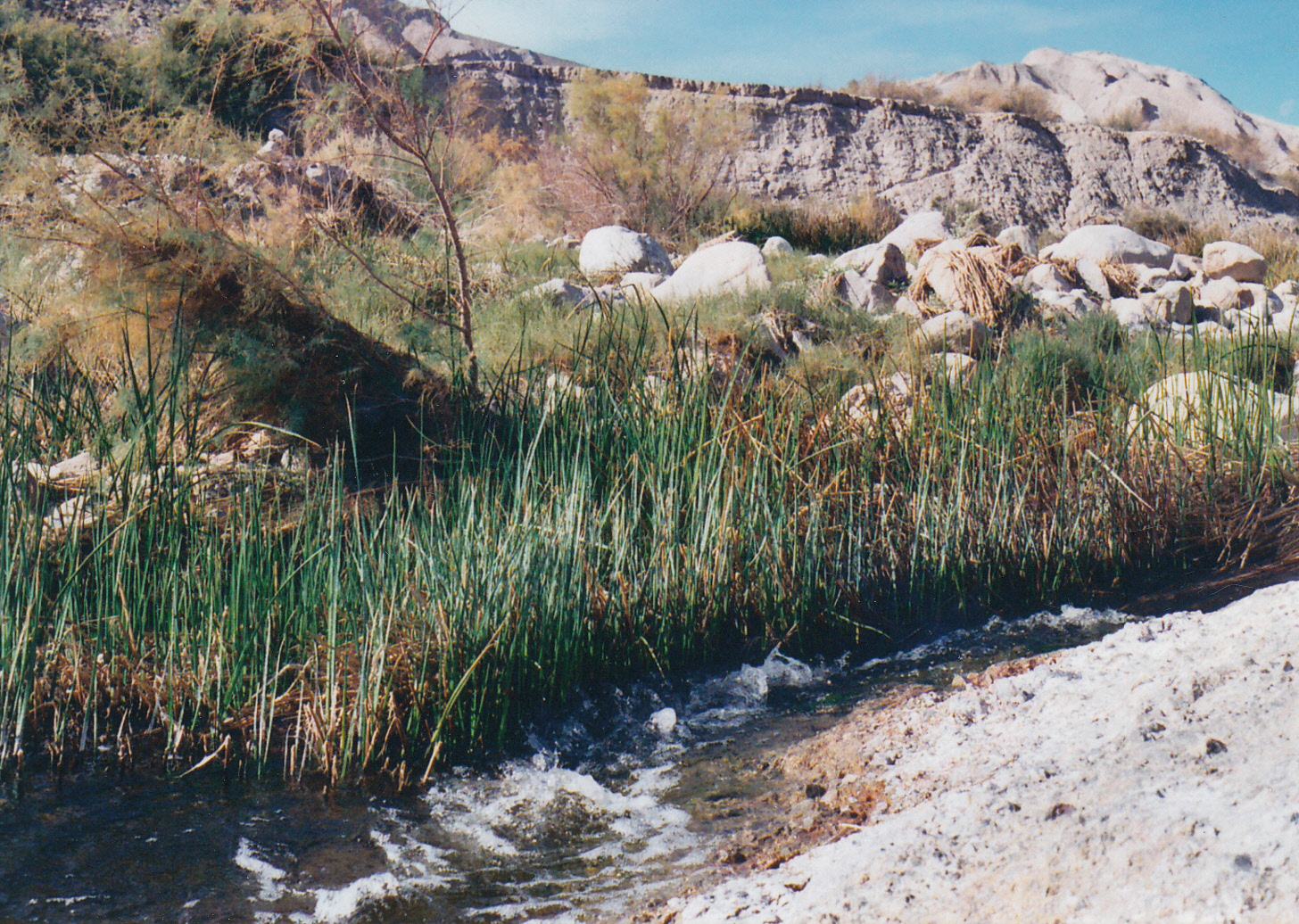
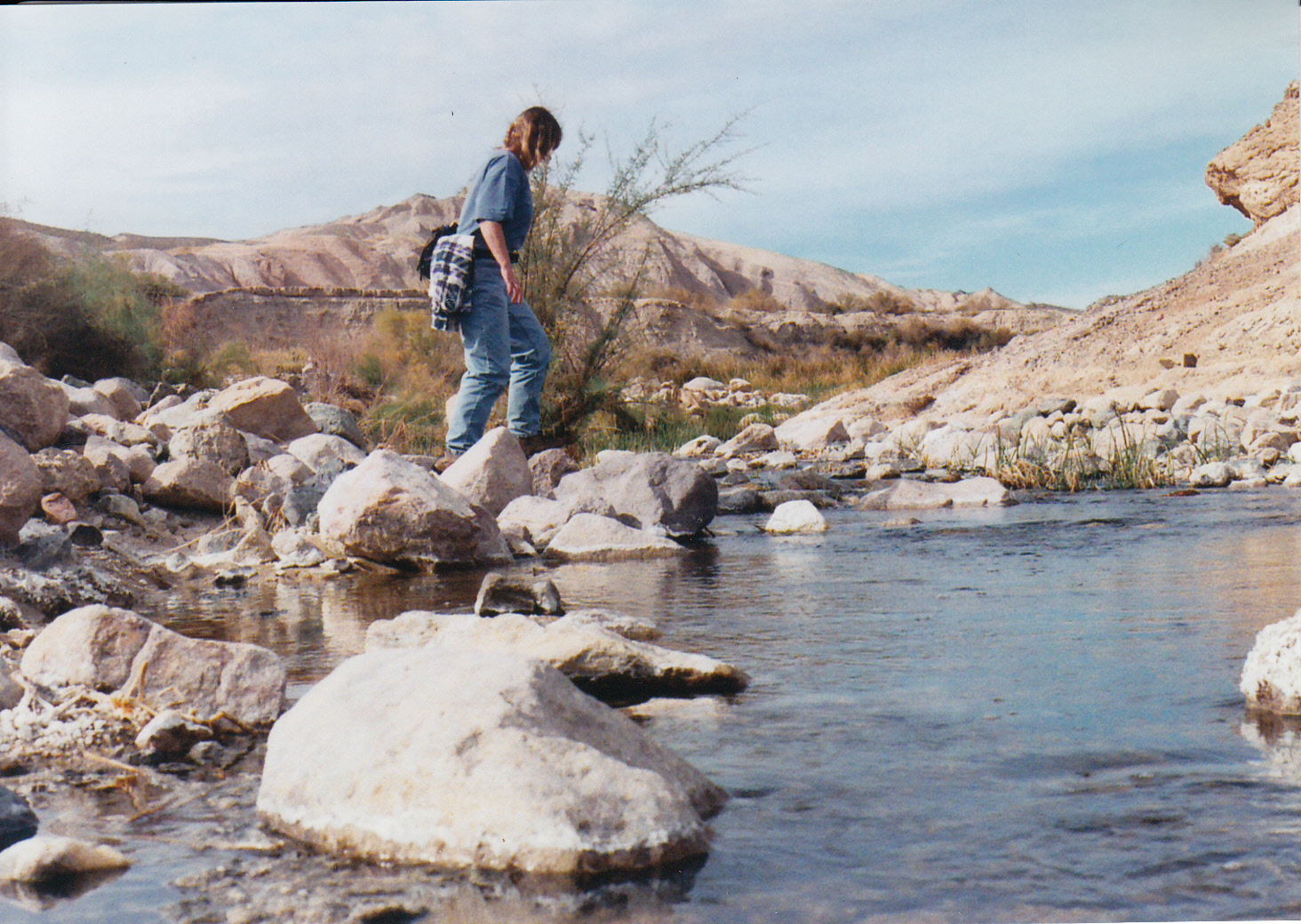
But dates are not exactly a low-calorie food.  Ranch visitors can work off their indulgence by hiking on several trails which depart from the China Ranch parking lot.  One leads to the top of a mesa for a sweeping view of China Ranch Creek and the Amargosa River Canyon.  Another leads to a place where the elusive Amargosa River flows for a mile or more above ground in a gentle riffle of rapids among reeds.  The remains of the Tonopah & Tidewater Railroad, as well as a historical cabin, can be seen along the pleasant two-mile walk to the river.  Maps and trail information may be obtained at the China Ranch gift store.

A small interpretive sign near the entrance to the China Ranch canyon marks a fascinating chapter in western U.S. history.  This is the Old Spanish Trail, a cross-country route which was first established by Santa Fe merchant Antonio Armijo in 1829.  Following a meandering route from water-hole to water-hole, the trail linked northern Mexico’s outpost at Santa Fe to the San Gabriel Mission in California.

During the next 20 years, the trail was used primarily by a loosely knit ring of horse thieves known collectively as “Los Chaguanosos.”  These bandits stole horses and mules from the early California ranches and herded them east along the trail to Santa Fe and points east, where stock animals were scarce and valuable.  Still later, the Spanish Trail was used by gold seekers bound for California.  Once word got around about the ill-fated route of the Donner Party, many Forty-Niners opted to follow the longer, but warmer, trail that led south of the dreaded Sierra Nevada.

The Old Spanish Trail was designated as a National Historic Trail in 2002.  Today, the National Park Service administers this unit as part of a national network of 17 historical routes.  Planning is underway for future interpretive kiosks.  But for now, a faint trace of the route passing next to the paved road between Tecopa and Las Vegas is the only evidence that can be seen of this piece of American history.

For natural beauty, historical significance, quirkiness, tranquility, outstanding camping,Amargosa1_0007 plus a soak in mineral hot springs at the end of the day, the Amargosa Valley can’t be beat.  Next time your travels take you near Death Valley, consider making a detour to this little-known but extremely worthwhile destination.

A Time To Let The Open Water Flow

(c) 1986 by Kathleen Kemsley.  Originally published in We Alaskans Magazine, March 1986. 

Glaciers consume the parking lots and ooze across the highway.  The entire upper Kenai River Valley has been glazed with gray ice and overflow for two months.  I wish for the lake to freeze, but what ice the lake’s surface forms inevitably ends up piled like driftwood on its shores, the victim of Chinook winds and rain.  I wax my skis longingly, but meager snowfalls liquefy and then congeal into glaciers before my eyes.

AK_moon

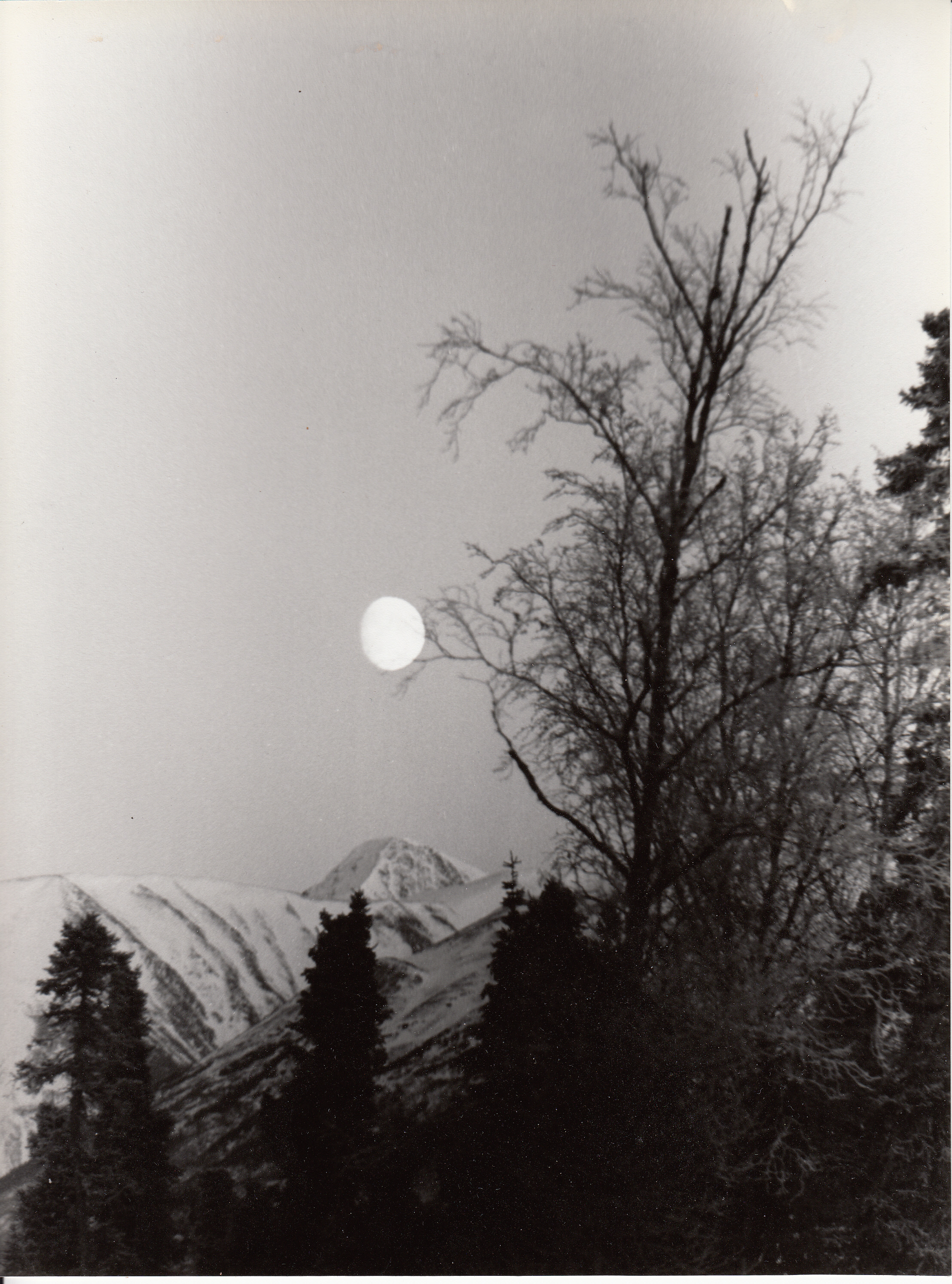
I moved here from the Interior of Alaska while the aspens still glowed like fire on the steep slopes of the Kenai Mountains and the sun threw laser rays off turquoise riffles of the river.  Since mid-October the weak glimmer of winter sun has not reached this town.  Nestled in a pocket of river valley and dense spruce trees, Cooper Landing surrenders the sun to the Harding Icefield.  But this year, the traditional icy grip of Alaska winter has been dissipated by warm rain.

Day after day I stare at the gray skies and glaciers and question the redeeming value of this so-called Banana Belt paradise.  One day I look up to see the silhouette of soaring black wings against the leaden sky.  An eagle!  I follow it down to the river and discover a community of hundreds.  The rain and open water and warmish winds provide a perfect haven for them.  The absence of sunlight does not seem to deter them from reveling in the riparian domain.

AK_eagleI become an eagle watcher along the river.  Clusters of them crouch like old cronies on an ice-glazed rocky bank, tearing into dead salmon with gusto and enthusiasm.  A juvenile bird, already sporting a four-foot wingspan but clad in the mottled brown feathers of youth, slides past me on an invisible gust of humid air and banks out across the rapids without apparent effort.  Another afternoon a young eagle swishes past my shoulder with a bit of salmon carrion clenched in its talons.  An adult with sunburst-yellow beak gaping hungrily dives and pursues the youngster, but fails in its efforts to make the kid to surrender its morsel.

Between these rounds of activity, the eagles seem merely to be biding their time on the river.  They perch in groups of three or four for hours at a time, staggered on the limbs of the biggest, deadest trees along the opposite shore.  And they wait patiently.  They have been wintering here long enough to notice when the daylight begins to lengthen.  Into their collective memory is instilled the assurance of spring salmon runs, green buds bursting forth from mazes of willow branches, and fierce competition from black bears and anglers for dinner.

In this valley of perennial rain and warm air currents that slide down rocky mountain slopes, the eagles let the time pass.  And I have begun to let the time pass in their company.  In the hours I have spent spying on them across the open water, I have never heard them complain about the weather or the glaciers.  They accept what is.  Their conversations contain no snowfall record comparisons, no discussions of the merits of wearing golf shoes for parking lot travel.  Each winter is unique, with character determined independently of last season’s conditions.  The only certainties are that the time will pass and that the seasons will change.  So the eagles teach me.

Tossing into the swift river my fickle thermometer, I too commence to let the open water flow.  I possess neither the power nor the will to halt it.

Top Five Runs on Foreign Soil

Running every other day — no matter where I am — has allowed me a different perspective on some very interesting places.  Here I’ll share briefly my most interesting runs in this big world.

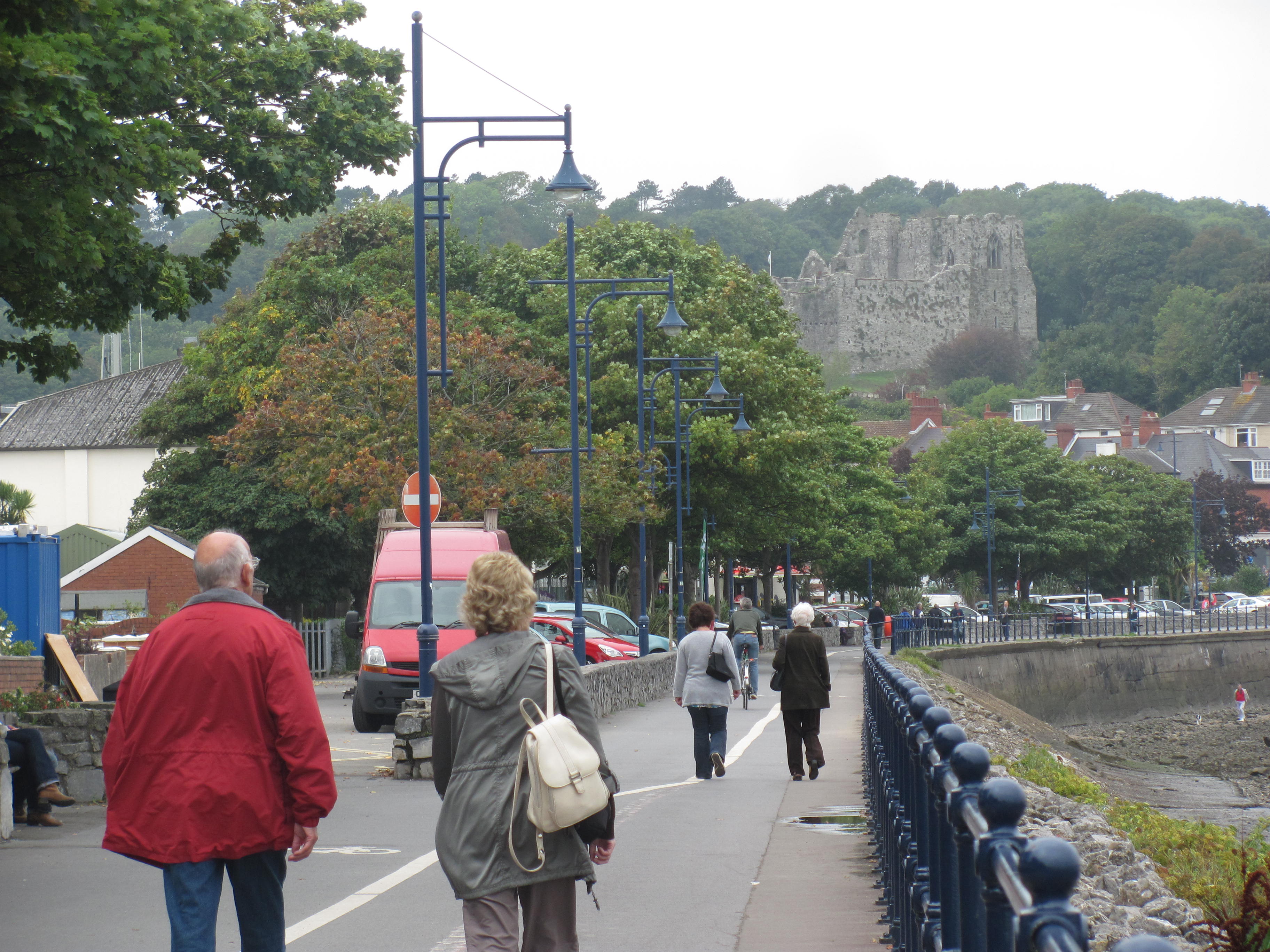
5.  Coast of Wales.  The paved trail ran smooth and level for five miles from Swansea toIMG_0096 Oystermouth, a.k.a. Mumbles, where the ruins of a 12th century stone castle kept a silent vigil on a hill above the town.  I thought of a Brian-joke while I ran toward the castle: “What do you think the altitude is here?” Ha.  The tide in Swansea Bay was tremendous, advancing and retreating more than 30 feet per cycle.  The trail stayed a few feet above the high tideline, and I had the path to myself until I reached the village of Mumbles.  Then a bunch of tourists appeared wearing overcoats and gloves, and wondering, I’m sure, why was this crazy Yank running the trail in shorts.

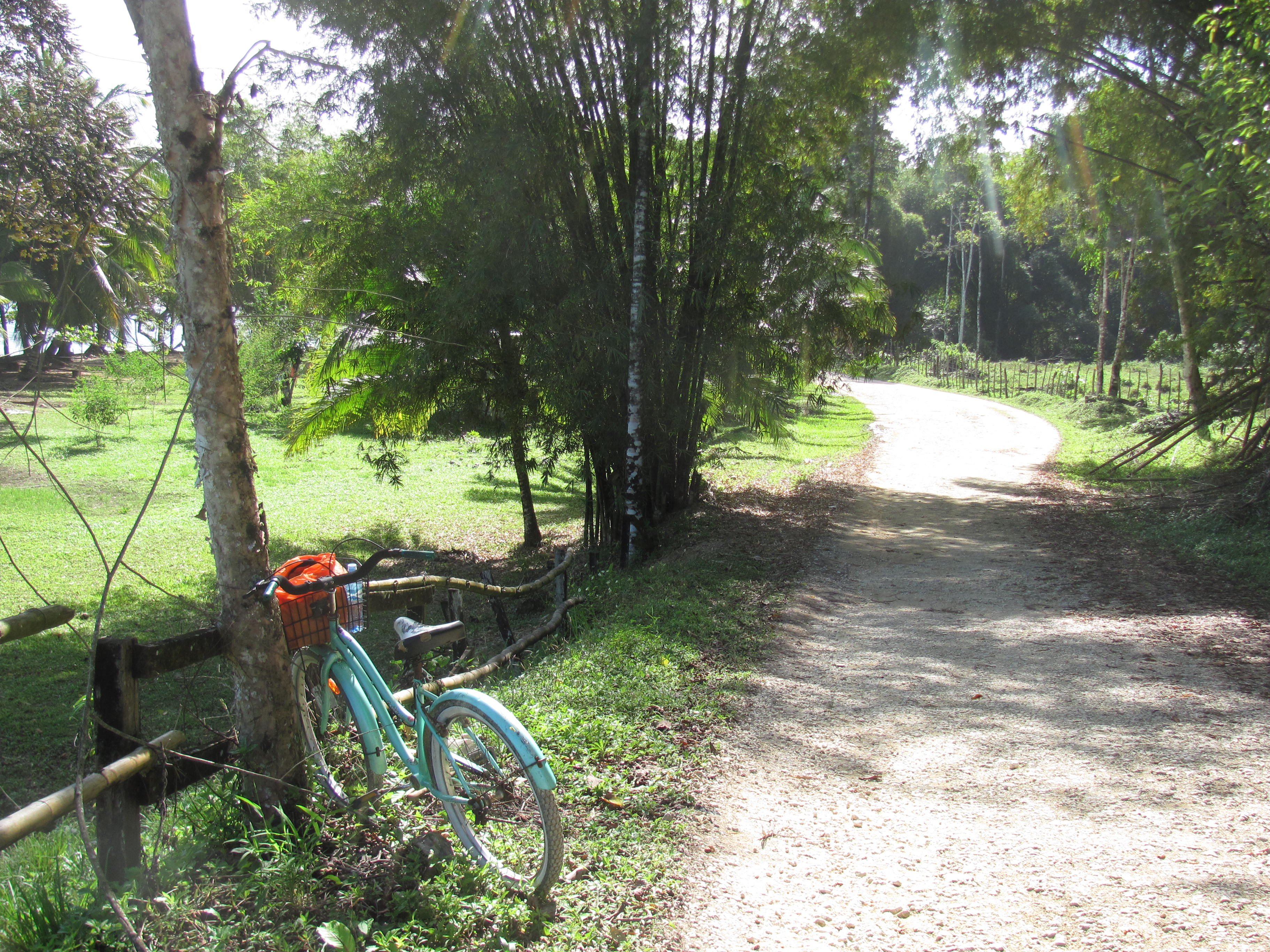
4.  Bocas del Toro.  This island paradise off the coast of Panama sat on the IMG_0123Caribbean side, also known as the rainy side.  On day two of our four-day stay on Bocas, I decided that I was waterproof, and so it wouldn’t hurt me to run in the rain.  I set out from our hotel toward the coast, splashing through puddles and enjoying the eye-popping green tropical vegetation along a rural dirt road.  A couple miles along the way, I ran past an abandoned house with a “se vende” (for sale) sign on it.  Immediately my mind took off to imagination-land and I spent the rest of the run fantasizing about opening a women-only bed-and-breakfast hotel in Panama.  By the time I got back I had nearly convinced myself that living in a rainforest in a foreign country might actually be a good idea.

3.  Downtown Bangkok.  I had to start running at 0400 in order to escape the intenseWatArun_buddhas heat, humidity, and crush of humanity of the daylight hours.  At that pre-dawn hour, most of the city slept.  The rats were out in droves, big fat rodents that were unafraid of the passage of a pale, foot-stomping American.  I ran to the central park, a large grassy area in front of the palace, overlooked by golden Buddhas.  There hundreds of homeless people had taken up residence.  They slept in family groups on plastic sheets stretched out under the stars.  I circled the park several times, passing a belching diesel truck that was pumping outhouses.  I leaped over the raw sewage that ran across the sidewalk.  Awful as it was to run past it, I imagined it must have been a thousand times worse to live there.  Suddenly our $20-a-night hostel with clean sheets and a flushing toilet looked pretty good.

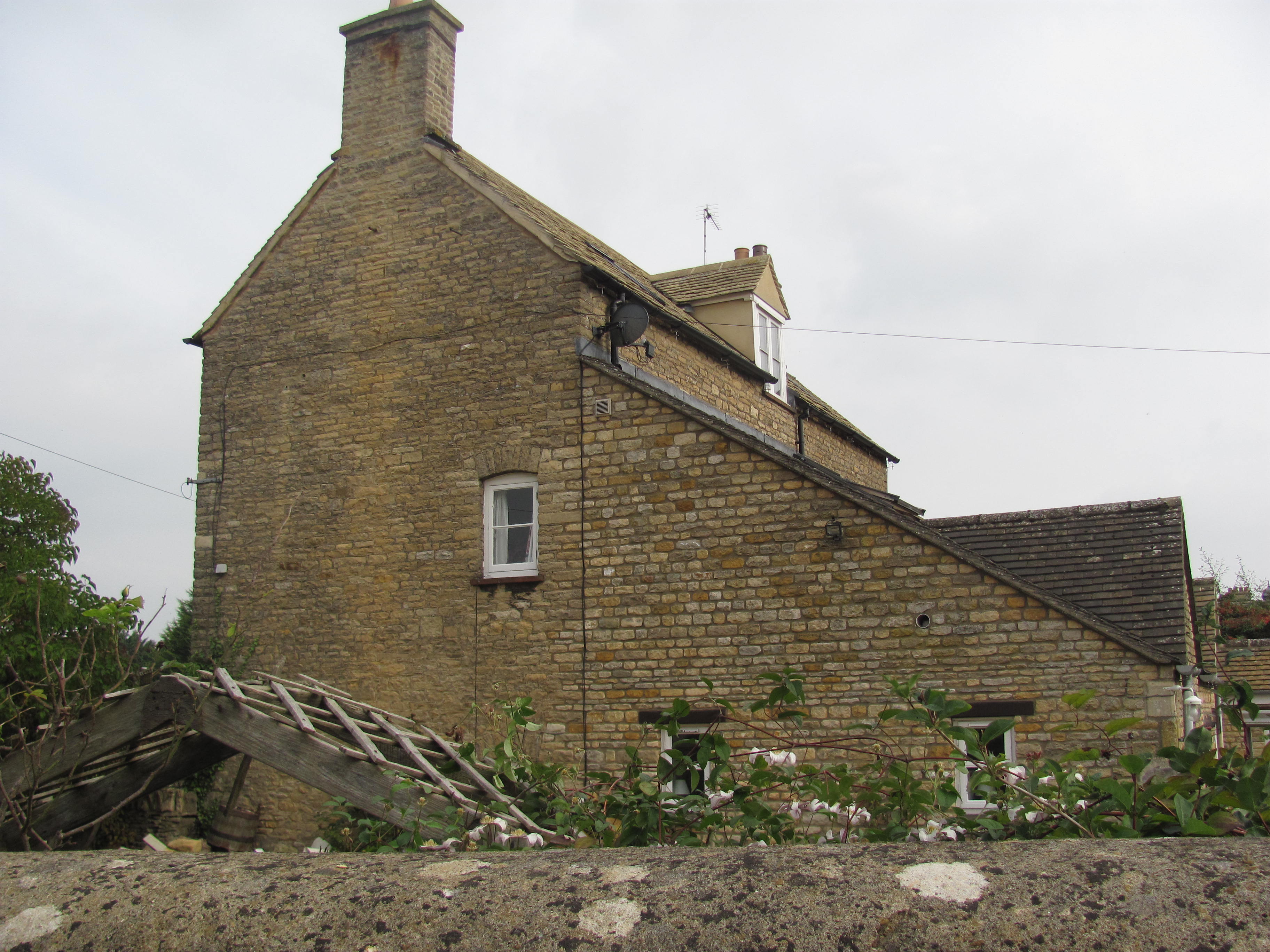
2.  Cotswold fog.  Running on the narrow lanes around the village of Stow-on-IMG_0151the-Wold made me feel as if I had stepped back into the time of Heathcliff of Wuthering Heights.  High hedges lined the fields, partially obscuring warm golden stone buildings set back from the road.  A dense fog added to the mystery.  I ran on the right side of the road to face traffic, but realistically there was no shoulder for an easy escape if some crazy British driver were to swerve toward me.  When I found an opening in the hedge I slipped through, to find myself in the midst of a flock of black sheep, who barely stirred at my sweaty presence.  I slipped back out to the road, popped a few blackberries into my mouth, and returned through the fog to the 500 year old hotel where we were staying.

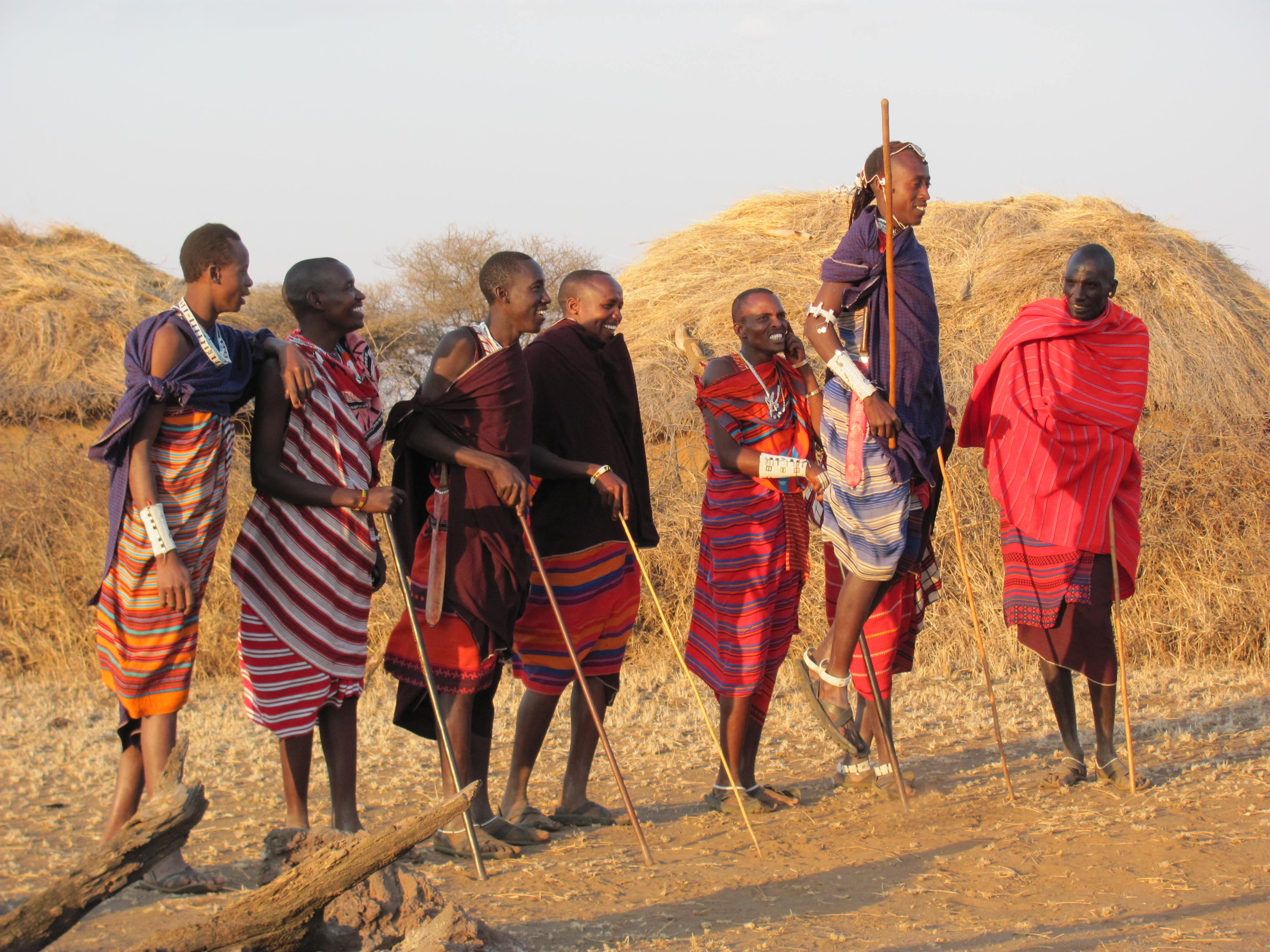
1.  Masai Village. Running in Africa was a challenge, because the wild animalsIMG_0746 roam free, and we humans are not at the top of the food chain.  I became hyper-aware of feeling like prey after being chased by baboons during an early morning run in Amboseli National Park. So when we got to this Masai village a hundred miles out in the bush from Arusha, Tanzania, I had no idea how I could manage to leave the stone-age village to run.  Fortunately one of the Masai warriors volunteered to go with me.  At dawn one morning we pushed open the gate that encircled the village and set out.  He carried a spear and wore flimsy sandals, stealing what I imagined to be scoffing glances at my sports-bra and $100 running shoes.  But politely he didn’t say a word as he jogged effortlessly beside me all the way to the neighboring village and back.  At the end, he wasn’t even breathing hard.  Guarding a middle-aged American jogger was an easy assignment for a Masai warrior, and I felt safe running with him on the veldt.

Top Ten Reasons to Ride and Sing in Idaho

© 2009 by Kathleen Kemsley, first published in Rider Magazine, Feb. 2010

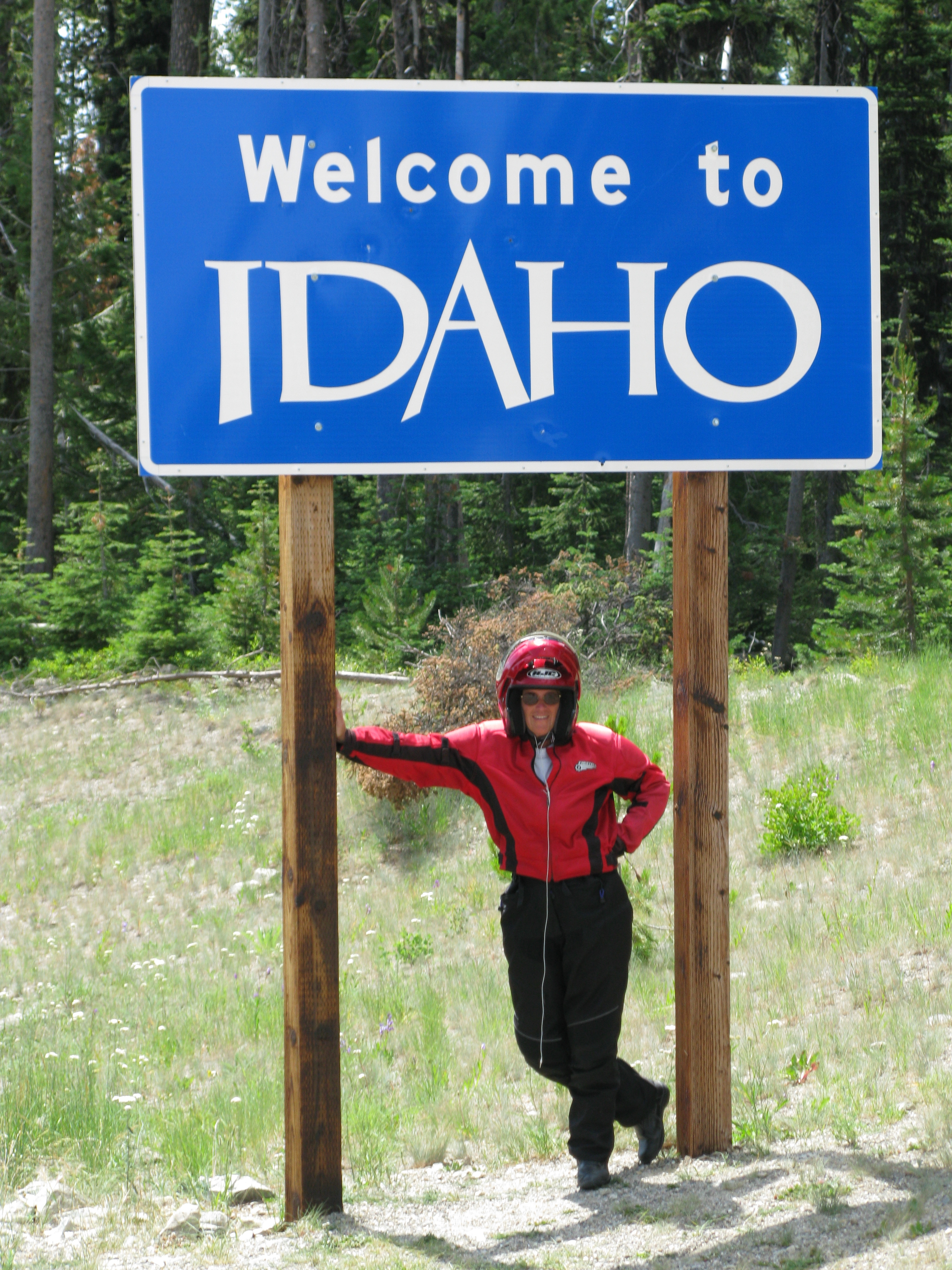
Idaho is a beautiful state, its attractions numerous.  However, the Gem State’s image needs some polishing.  In many people’s minds, the name “Idaho” still conjures up visions of overall-clad country boys hauling trucks full of potatoes. 01_Welcome to Idaho

Having once resided in Idaho, I know better.  My husband and I headed north on our motorcycles in August 2008, to explore some of the state’s asphalt gems.  We followed several of Idaho’s 27 scenic byways, taking in some spectacular country along the way.

I’ve always been an enthusiastic, if not pitch-perfect, singer inside my helmet.  Since I purchased an i-pod the year before and loaded it with 800 of my favorite songs, this ride along Idaho’s most scenic routes represented an opportunity for me to enjoy a sound track during each day’s ride.

So, in an effort to promote Idaho as a gem of a motorcycling destination, I offer a David Letterman-style list: “Top Ten Reasons to Ride and Sing in Idaho.”

    10. USFS campgrounds

Late afternoon of the first day in Idaho, we stopped at the Riverside RV Park and Campground in Bellevue, near the twin upscale ski hamlets of Hailey and Ketchum.  The owner wanted $18 for the privilege of pitching a tent in the dirt.  No picnic table was offered, no shade, no grass.  But, he was quick to point out, wi-fi was available.  When I expressed dismay, he scolded me, “Lady, don’t you realize that you’re in the high rent district!”  03_North Fork Campground

Deciding to move on, then, was fairly easy.  Tom Petty and I sang “Don’t Come Around Here No More” as we proceeded north eight miles past Ketchum to the U. S. Forest Service’s North Fork campground.  There, $10 bought us a pretty, tree-shaded campsite alongside the Big Wood River.  Despite the fact that it was a mid-summer Saturday, the campground was only half full.  No wi-fi, but the sound of breeze fluttering aspen leaves more than compensated.

  1. Steep rugged terrain

Departing the North Fork campground, the Sawtooth Scenic Byway followed the Big Wood River north to Galena Summit.  There a conveniently located pullout provided the opportunity to admire a stunning view of the Sawtooth Range.
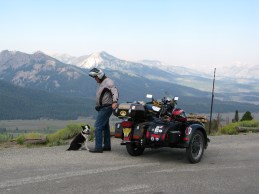
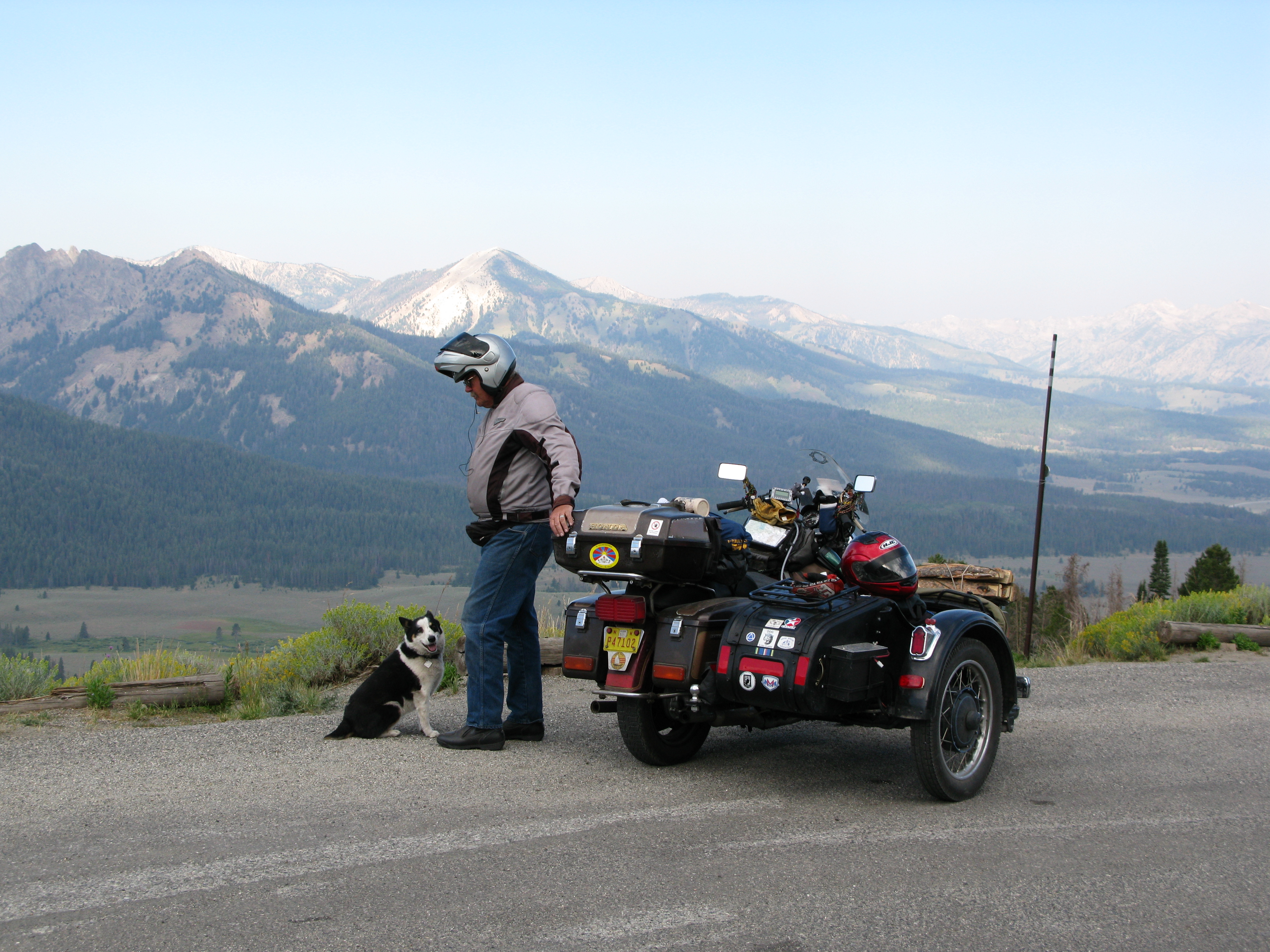
04_Brian and SawtoothsIn my work as a wildfire dispatcher, we use the phrase, “steep, rugged terrain” to describe this kind of country.  Fire crews dread assignments on the 60% slopes.  But for a motorcyclist, the twisty roads that weave through these mountains are divine.

We turned from the Sawtooths west onto the Ponderosa Pine Scenic Byway.  An appropriate mood was established by “The Mountains Win Again,” a sweet, sad song by the late Bobby Sheehan of Blues Traveler.  The road glided over Banner Summit.  Mountains nearly vertical rose on both sides of a highway shrouded in shadow.  Pensive, lost in thought, I leaned into a road that twisted like knotted rope through the heart of Idaho.

  1. Coffee

During the winter months, Stanley takes the honors as the coldest place in the lower 48 almost as often as does International Falls, MN.  But in the summer, the tiny town at a crossroads in the middle of nowhere turns into a beehive of activity, as whitewater rafters, trail riders, campers, and day-trippers from Boise all stop to replenish supplies.  I joined the procession into the general store, in pursuit of coffee.

Apparently the grocery supply truck was late, or perhaps a group from Seattle had recently passed through.  Whatever the reason, the coffee shelf was bare.  Dejected, I started west on Highway 21 wracking my brain for the next place where good coffee might be available… McCall? Lewiston?

As Bob Dylan warbled “One More Cup of Coffee for the Road,” I spied a microscopic café out of the corner of my eye.  Pulling a quick U turn, I coasted down a steep driveway and sauntered in to the business with my helmet still on.  Score!  The Trillium Coffee House sold me a pound of beans, roasted in Hailey, for less than ten bucks.  They also offered a wi-fi connection for free.  Take that, Riverside RV Park!

  1. Hot springs

Idaho_Ride 039Idaho is situated over a lot of hot water.  During the years I lived in Idaho, I used to head out nearly every weekend to one or another of the hot springs tucked into remote corners of Idaho.  I have my favorites; every Idahoan does.  The location of a couple of them (one in particular) I will not under any circumstances divulge.  But there are others more public that I don’t mind recommending to everybody.

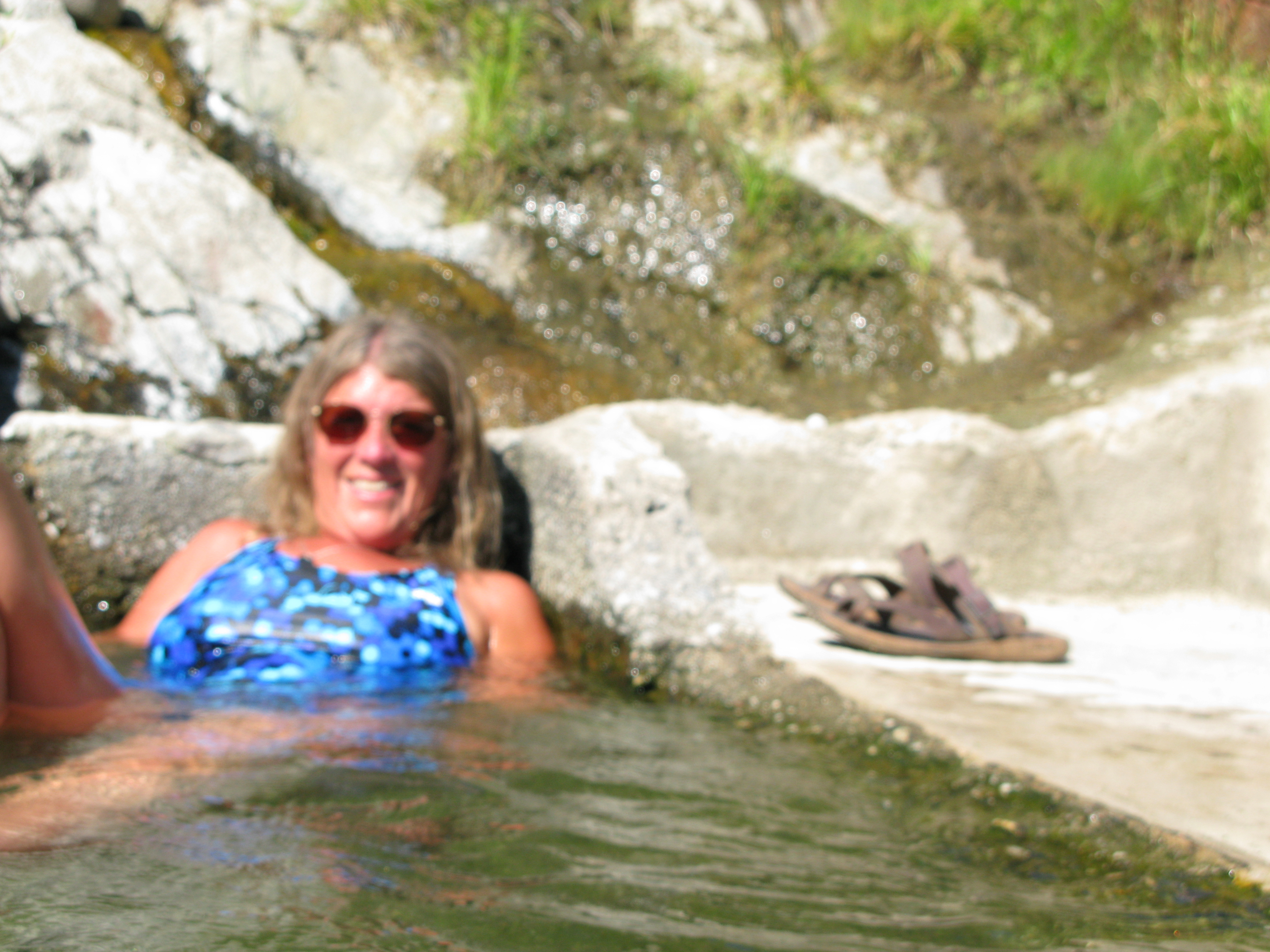
A standout on the list of public hot springs, Kirkham is both visually attractive and easily accessible by motorcycle.  Located along Highway 21, just a few miles east of Lowman, Kirkham’s springs emerge in several separate flows from a steep hillside above the Payette River.  At the USFS parking lot, I paid my $3 fee, changed into a bathing suit and was down a flight of wooden steps to the springs in five minutes.

Sinking into hot water up to my neck in one of several bathtub-sized hot pools felt like heaven.  Annie Lennox’s song of gratitude came to mind: “I thank You for the air to breathe, the heart to beat, the eyes to see again.  A thousand beautiful things.”  Presently I roused myself and progressed to a cooler pool below, separated from the river by a hand-built rock wall.  Lastly, I stood beneath a hot waterfall, where sparkling 106 degree water cascaded onto my shoulders and administered a deep massage.  Aaaahhhhhh.

  1. Wild Rivers

It’s no wonder people pay good money to come trout fishing and river running on Idaho’s wild rivers.  The water looks so inviting, sweet and clean and clear.

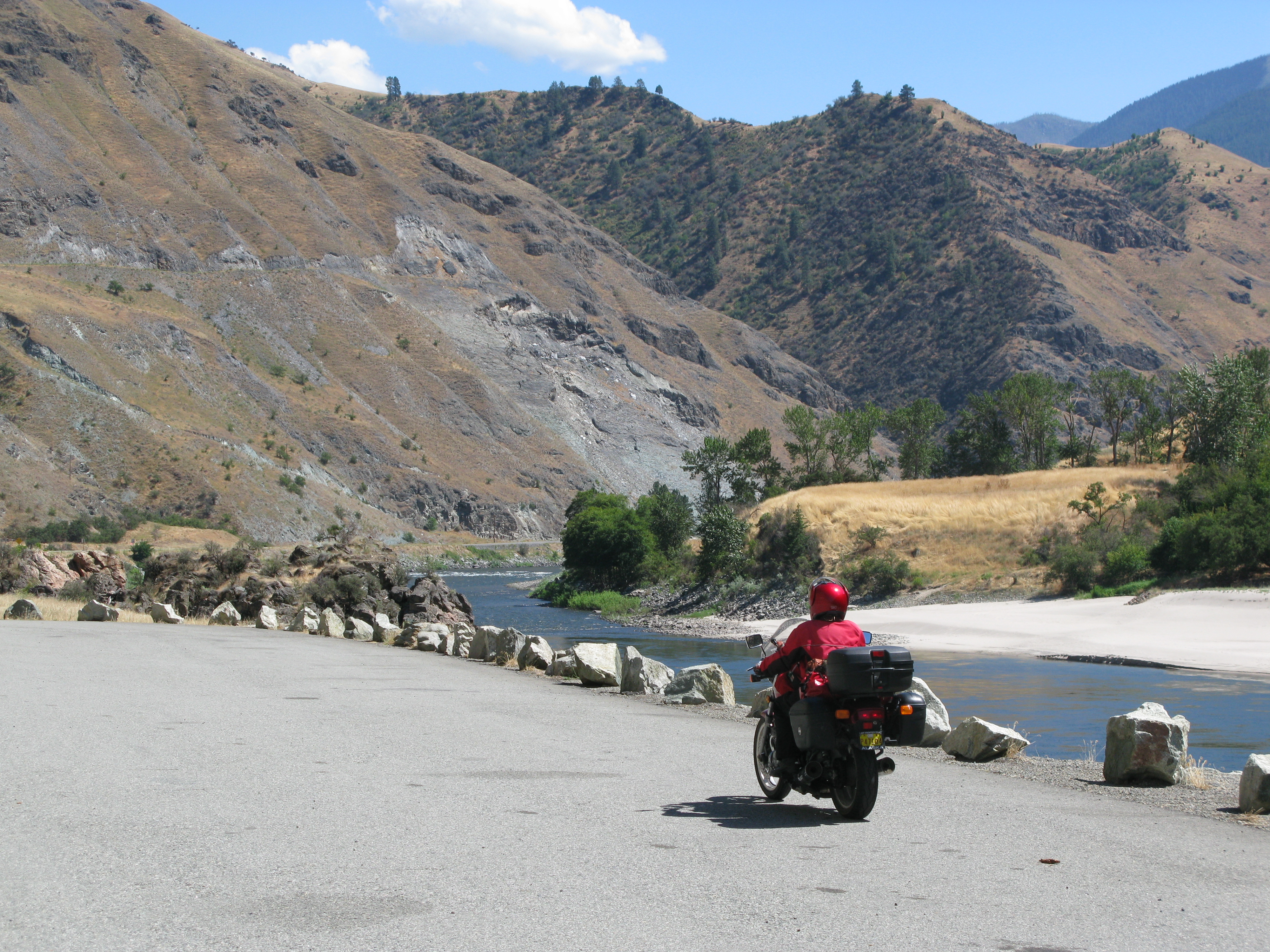
I paced some rafters floating downstream while Eric Clapton and J. J. Cale sang “Ride the 13_Salmon River CanyonRiver.”  Presently I pulled off the Banks-Lowman Road above an eddy on the South Fork Payette River, drawn by the seductive lure of the sparkling crystal splash of river.  Every detail of the riverbed was visible to the rock-strewn bottom, 30 or more feet down.

But even in August, the water temperature ranges from “bracing” to “bone-chilling.”  I plunged in to wash away some road grime; when I hit the cold water, an involuntary scream escaped me and echoed off house-sized boulders that lined the river.   In retrospect, the dip was refreshing.  At the time, though, it nearly stopped my heart.

  1. Chocolate potatoes

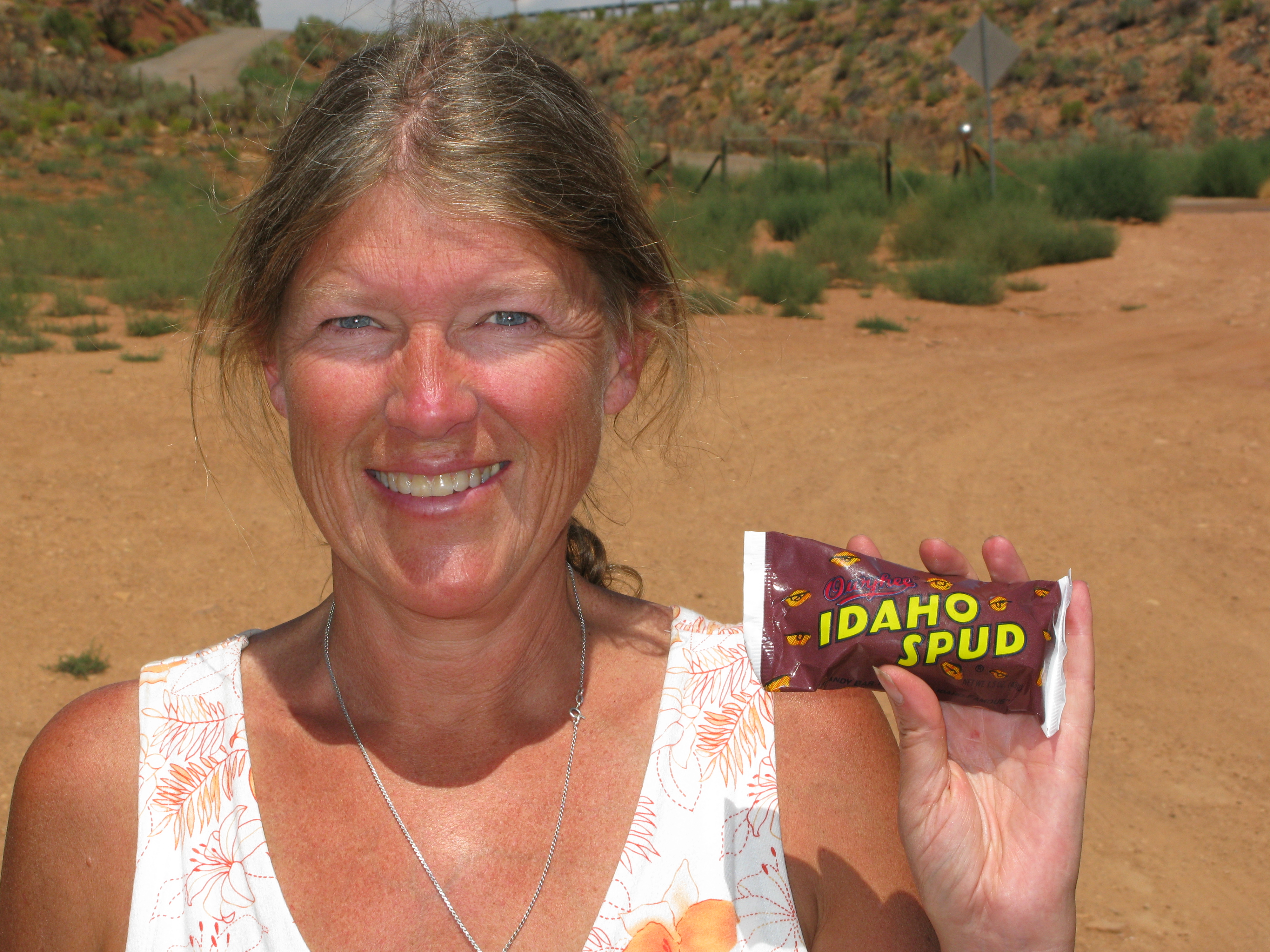
Everyone knows that Idaho is famous for its potatoes: red potatoes, white potatoes, sweet potatoes, new potatoes, tater tots, shoestrings, and crinkle fries. 09_Idaho Spud

And then there is the “Idaho Spud,” a marshmallow-filled, chocolate covered, rolled-in-coconut candy bar made by the Owyhee Candy Company.  Idaho Spuds are ubiquitous in the Gem State, sold in every convenience store, gift shop, and restaurant.  Grocery stores sell them by the case.

I highly recommend consuming two, maybe three, Idaho Spuds at the evening campfire, while singing the chorus from Nirvana: “A mulatto, an albino, a mosquito, palomino.”  This will guarantee you’ll end with a smile a long day of carving corners on Idaho’s scenic roads.

  1. Tall pines

Moving north via the Payette and Little Salmon River canyons, we crossed into a different sort of terrain, not as steep as the central ranges, but every bit as beautiful.  Eventually we detoured off Highway 95 to follow the White Pine Scenic Byway.  This route snaked up over a heavily forested section of Idaho Panhandle National Forest to the confluence of the St. Joe and St. Maries rivers, traversing through the largest stand of white pine trees in the country.

In clearings along the byway, bucolic farms sat at intervals, river-watered pastures verdant, barns tall and sturdy.  I spied an array of farm animals: cows and horses and sheep and llamas.  The latter caused me to burst into a chorus of “Ride My Llama.”  The song always makes me laugh: who else but Neil Young could come up with lyrics bringing together the Alamo, a guitar-playing man from Mars, and a llama bound for Texarkana?

  1. Deep blue lakes

Wild rivers gave way, as we rode north, to more than 60 deep glacier-carved lakes that might15_Lake Coeur d'Alene give Minnesota a run for its money.  We followed one scenic byway for 35 miles along the east shore of Coeur d’Alene Lake, home to bald eagles and the largest population of nesting osprey in the west.
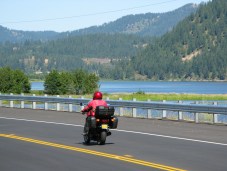
At the end of a long, hot day, Hayburn State Park provided us with a gem of a campground on the lake.  The $12 per night fee included a hot shower, a true bargain for the road-weary rider.   Heading out along the edge of the tree-lined lake the next morning, I sang along with Bruce Springsteen as he related a tryst with Crazy Janie on the shore of Greasy Lake.  The sun glinted off a still, mirrored lake surface broken by clumps of reeds in the shallows and the leap of a trout farther out.

  1. Lolo Pass road

Few routes are as celebrated as the trail Lewis and Clark followed overland from the east coast to the Pacific in 1804.  Designated the “Northwest Passage Scenic Byway,” the longest of Idaho’s scenic byways traces their route, from the Montana border to Clarkston 173 miles west.

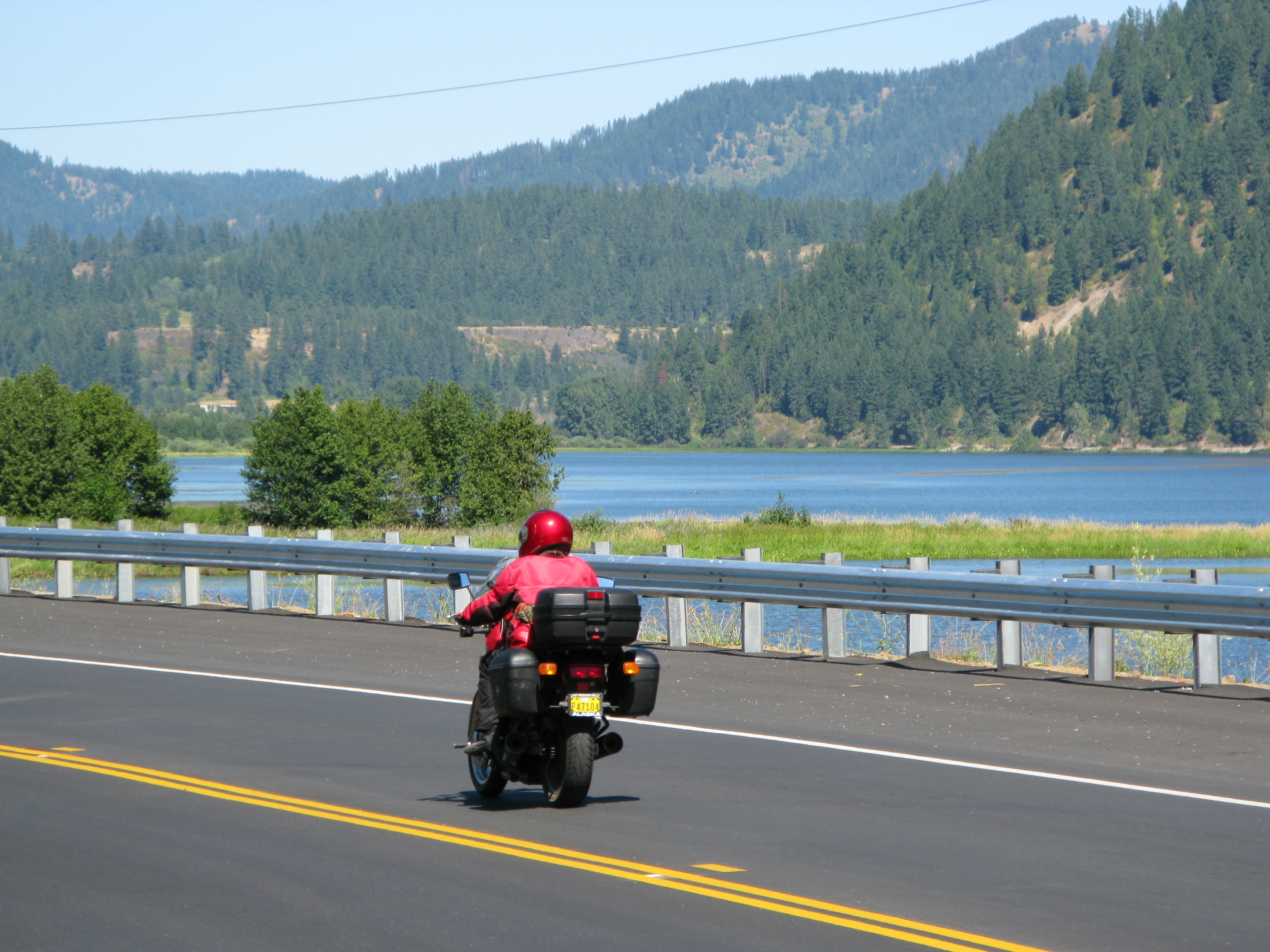
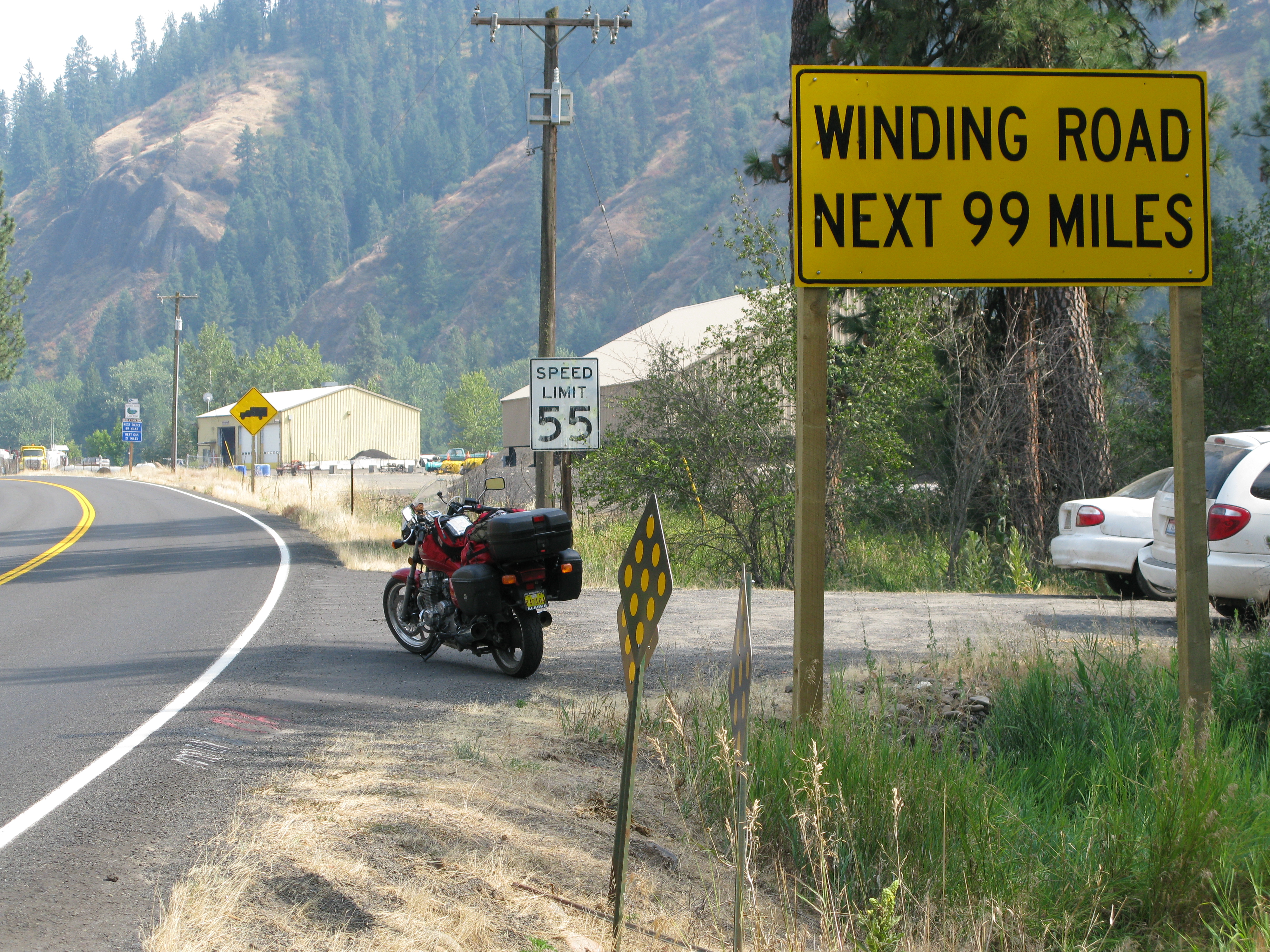
The yawning curves of the byway followed the Clearwater and Lochsa rivers.  Soft and lazy, they 18_Winding Roadswooped back and forth in an almost hypnotic rhythm.  My curve-carving trance was broken by the occasional lumbering log truck or RV, easily passed, and once by a clump of deer lingering along the shoulder.  The choice of soundtrack for this section of the ride was obvious: Sheryl Crow’s “Every Day is a Winding Road.”
  1. Idaho’s scenic byways

Some of Idaho’s 27 scenic byways, such as the Northwest Passage and Sacajawea Scenic Byways, highlight history through interpretive signs along the way.  Others carry the rider past geological marvels like the Payette River Canyon and the City of Rocks.  But the majority of the routes are designated scenic byways purely for their aesthetic value.  Every one is a gem.

Ah, Idaho, I sighed with pleasure as I entered the top of another steep canyon.  A long, live version of the Allman Brothers’  “In Memory of Elizabeth Reed” (arguably the finest combination of blues, jazz, and Southern rock ever recorded) played in my earphones.  Another series of sweeping curves came into view on the downhill run alongside a wild clearwater river.  Spotless blue skies threw the green-black horizon of evergreen trees into delicious contrast.
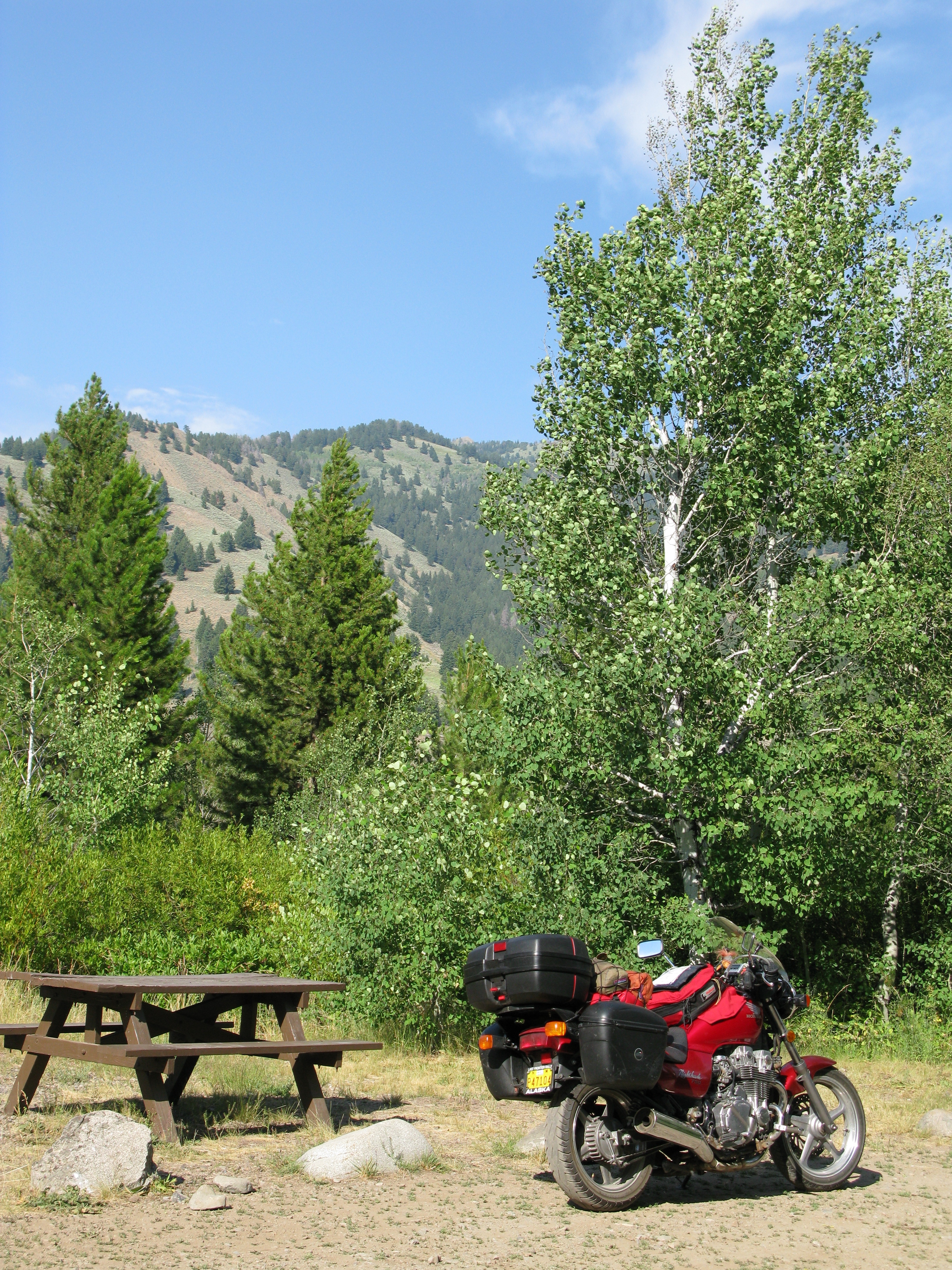
There is no question about the number one attraction, for a motorcyclist, in the Gem State.  Superb, adrenalin-filled, beautiful: Idaho’s scenic byways describe sweet asphalt perfection.